Humidity isn’t just about comfort—it plays a powerful role in the air you breathe inside your home. Too much or too little moisture can affect your health, your HVAC system, and even the structure of your house. In this guide, we’ll explore how humidity impacts indoor air quality (IAQ), the unique challenges Sarasota homeowners face, and the best solutions to keep your home fresh, healthy, and balanced year-round.
Pino’s Air – Sarasota’s Partner in Healthy Humidity Control
When it comes to managing humidity and protecting indoor air quality, Pino’s Air is Sarasota’s trusted local expert. With Florida’s subtropical climate bringing high moisture levels year-round, homeowners need solutions that go beyond standard HVAC systems. That’s where Pino’s Air steps in, offering comprehensive humidity control services designed to keep your home healthier and more comfortable.
What Pino’s Air Offers for Humidity & IAQ
- Whole-Home Dehumidifiers – Integrated with your HVAC system to consistently regulate moisture levels, preventing mold growth and musty odors.
- Smart Thermostat & Humidity Monitoring – Real-time tracking ensures your home stays within the ideal humidity range (30–50%).
- HVAC System Optimization – Proper sizing, airflow balancing, and filter upgrades to maximize efficiency and reduce moisture buildup.
- Air Purifier & Ventilation Solutions – Enhances humidity management by improving circulation and reducing pollutants trapped in moist air.
- Preventative Maintenance Plans – Regular inspections and tune-ups to detect early warning signs of excess humidity before they escalate.
Why Sarasota Homeowners Trust Pino’s Air
With over 25 years of experience serving the Sarasota community, Pino’s Air understands the unique coastal challenges of humidity, salt air, and heat. Their team combines local expertise with cutting-edge solutions, making them the go-to partner for homeowners who want peace of mind and healthier indoor air.
What Is Indoor Humidity?
Indoor humidity refers to the amount of water vapor present in the air inside your home. While often overlooked, it plays a critical role in both comfort and health. Too much humidity can make your home feel stuffy, encourage mold growth, and damage furniture, while too little can dry out your skin, irritate your respiratory system, and weaken wooden structures. The key is balance—most experts recommend maintaining indoor humidity levels between 30% and 50%.
Key Factors That Define Indoor Humidity
- Relative Humidity (RH): The percentage of water vapor in the air compared to the maximum it can hold at a given temperature.
- Temperature Connection: Warmer air holds more moisture, which is why Florida’s hot climate often leads to excess indoor humidity.
- Ventilation & Airflow: Proper air circulation helps prevent stagnant, moisture-laden air from accumulating indoors.
- Moisture Sources: Everyday activities like cooking, showering, and even breathing add water vapor to your home’s air.
- Building Design: Tightly sealed homes conserve energy but can trap moisture if not paired with proper ventilation.
In Sarasota’s coastal climate, indoor humidity management is especially important. High outdoor moisture levels can easily infiltrate homes, creating conditions that not only reduce comfort but also threaten indoor air quality. Understanding what indoor humidity is—and how it affects your home—is the first step toward maintaining a healthy living environment.
Health Impacts of Improper Humidity Levels
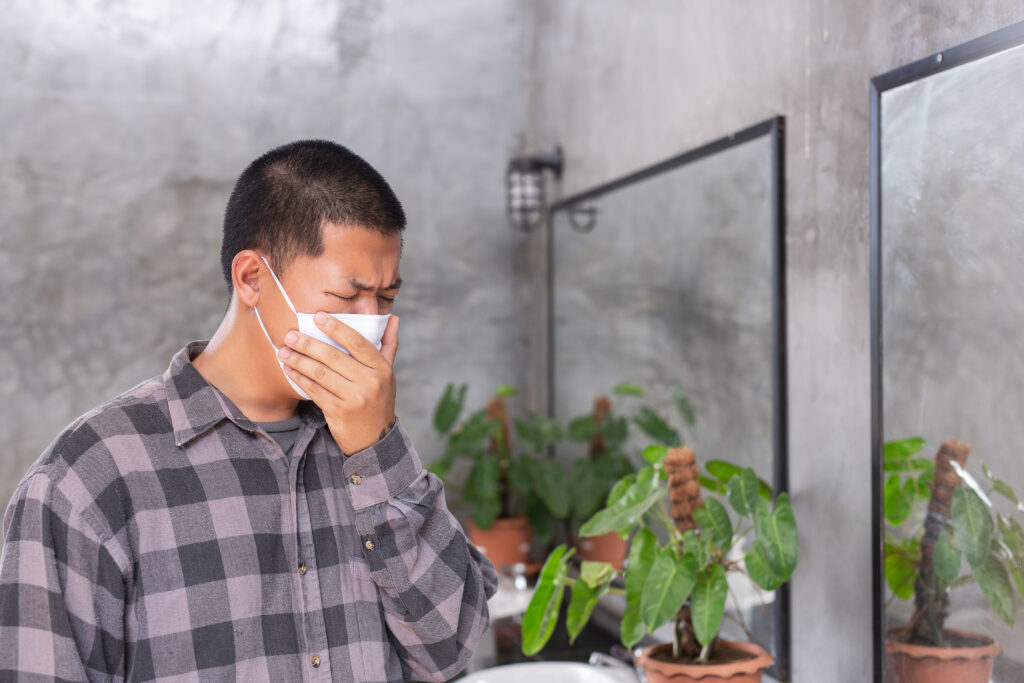
The humidity inside your home doesn’t just affect comfort—it has a direct impact on your health and well-being. When humidity levels swing too high or too low, the air becomes a breeding ground for health problems that can affect everything from your respiratory system to your skin.
Effects of High Humidity
Excess moisture in the air creates conditions that can harm both your home and your body:
- Respiratory Irritation: Damp environments promote mold, mildew, and dust mites, which can trigger asthma, allergies, and sinus issues.
- Increased Risk of Infections: Bacteria and viruses thrive in humid air, making it easier to spread colds and other illnesses.
- Skin & Eye Problems: Sticky, moist conditions can worsen eczema, cause rashes, and leave eyes irritated.
- Fatigue & Overheating: Your body has to work harder to cool down in humid air, leading to dehydration, exhaustion, and poor sleep quality.
Effects of Low Humidity
Air that’s too dry can be equally damaging:
- Dry Airways & Irritation: Low humidity dries out nasal passages and throats, making you more vulnerable to respiratory infections.
- Worsened Allergy & Asthma Symptoms: Dry air can aggravate existing conditions, leading to coughing, wheezing, and shortness of breath.
- Skin & Lip Dryness: Dehydrated skin, cracked lips, and even nosebleeds are common in environments with insufficient moisture.
- Eye Discomfort: Dry eyes can become itchy, red, and more prone to irritation in overly dry conditions.
Long-Term Health Consequences
If left unaddressed, improper humidity can have more serious long-term effects:
- Cardiovascular Stress: Extreme humidity levels can strain your heart as your body works harder to regulate temperature.
- Neurological Impacts: Poor air quality linked to mold and allergens has been associated with headaches, brain fog, and reduced concentration.
- Vulnerable Groups at Higher Risk: Children, seniors, and those with chronic illnesses are especially sensitive to the health impacts of unbalanced humidity.
In short, maintaining the right balance of indoor humidity isn’t just about comfort—it’s a critical step in protecting your family’s health.
Household Effects of Poor Humidity Balance
Improper humidity levels don’t just affect your health—they can also take a toll on your home and everything in it. Whether the air is too damp or too dry, your house and belongings will show the effects over time. Managing indoor humidity is essential not only for comfort but also for protecting the value and longevity of your property.
Effects of High Humidity
When moisture levels in the home are consistently high, your house can suffer from visible and hidden damage. Excess moisture weakens structural elements, creates ideal conditions for mold, and makes everyday living spaces uncomfortable.
- Mold & Mildew Growth: Humid air allows mold and mildew to spread across walls, ceilings, and furniture, causing stains, odors, and potential health risks.
- Warped Wood & Flooring: Wooden floors, cabinets, and furniture can swell, warp, or rot when exposed to high humidity.
- Peeling Paint & Wallpaper: Extra moisture makes paint bubble and wallpaper peel, requiring costly repairs.
- Rust & Corrosion: Metal fixtures, appliances, and even electronics can corrode faster in damp air.
- Persistent Musty Odors: High humidity creates lingering smells that can be difficult to remove, even with cleaning.
Effects of Low Humidity
Dry air can be just as damaging to your home, even if the signs are less obvious at first. Over time, it can weaken materials and reduce indoor comfort.
- Cracked Walls & Ceilings: Low humidity causes plaster and drywall to shrink and crack.
- Damaged Wood Furniture & Flooring: Dry air pulls moisture out of wood, leading to splits, gaps, and brittle finishes.
- Static Electricity Buildup: Low humidity increases static shocks, which can harm electronics and create daily annoyances.
- Fading or Brittle Fabrics: Upholstery, curtains, and carpets can become fragile, fade, or deteriorate faster in dry conditions.
- Reduced HVAC Efficiency: Extremely dry air makes it harder to maintain comfortable temperatures, increasing energy bills.
Maintaining balanced humidity levels (ideally between 40% and 60%) helps protect both your family’s health and the integrity of your home. With the right HVAC systems and humidity controls in place, Sarasota homeowners can avoid unnecessary damage while enjoying year-round comfort.
Florida & Sarasota-Specific Humidity Challenges
Coastal Climate Factors
Sarasota’s proximity to the Gulf of Mexico means residents experience a steady flow of moist, salt-laden air. This coastal climate accelerates wear on HVAC systems and allows salty particulates to circulate indoors, which can irritate respiratory systems. The constant dampness also creates a favorable environment for mold and mildew growth, especially in poorly ventilated spaces.
Seasonal Variations
Unlike drier regions, Sarasota doesn’t get a significant break from humidity. Summer brings extreme heat paired with high dew points, making indoor cooling systems work harder to balance comfort. Meanwhile, hurricane season adds bursts of excess moisture and potential water intrusion. Even during Florida’s so-called “winter,” the mild climate still carries humidity that can seep into homes, impacting indoor air quality year-round.
Pollen and Allergens in Humid Air
High humidity acts as a carrier for allergens like pollen, dust mites, and mold spores. In Sarasota, seasonal pollen—especially from oak, pine, and grasses—lingers longer in the humid air, finding its way indoors. For residents with allergies or asthma, this combination can significantly worsen symptoms, making humidity control a critical part of maintaining a healthy living environment but with regular residential HVAC services in Sarasota, we can help you maintain and protect your home from any danger that may come.
How to Monitor Indoor Humidity
Maintaining balanced indoor humidity is one of the most effective ways to protect both your health and your home. In Sarasota’s consistently humid climate, monitoring moisture levels ensures your air stays comfortable and free of excess allergens or mold risks. The ideal indoor humidity typically ranges between 30% and 50%, and staying within that zone requires both awareness and the right tools.
Tools & Devices for Monitoring
Modern homeowners have easy access to reliable devices that track indoor humidity:
- Hygrometers: Small, affordable instruments that provide instant humidity readings. Many digital versions also track temperature and can store historical data.
- Smart Thermostats: Newer models often include humidity sensors, giving you real-time insights through a mobile app. They can even adjust system performance automatically to keep levels balanced.
- Whole-Home Monitors: Integrated into HVAC systems, these provide continuous tracking and more precise control across every room.
Signs Without Tools
Even without a hygrometer, your home often gives clear signals when humidity is off-balance:
- Too High: Condensation on windows, a musty smell, sticky or clammy air, or mold growth on surfaces.
- Too Low: Dry skin, static electricity, cracking wood furniture, or irritated sinuses.
Professional Assessments
While DIY tools are helpful, scheduling a professional indoor air quality in Sarasota can give a full picture of your home’s environment. HVAC experts use advanced equipment to identify humidity fluctuations, air leaks, and ventilation issues—ensuring long-term comfort and health.
Solutions for Maintaining Healthy Humidity
Keeping humidity under control is one of the most important aspects of creating a healthy, comfortable home environment in Sarasota. Because of the region’s hot, humid climate, homeowners often need both professional HVAC solutions and everyday strategies to maintain optimal moisture levels indoors. The ideal humidity range (30%–50%) prevents mold growth, improves indoor air quality, and protects your home’s structure and furnishings.
HVAC System Upgrades
Investing in a modern HVAC system with variable-speed air handlers, smart thermostats, or built-in dehumidification technology can make a huge difference. These systems run more efficiently, avoid overcooling, and keep humidity levels steady while reducing energy costs. In Sarasota’s climate, this is one of the most effective long-term solutions.
Dehumidifiers & Humidifiers
Whole-home dehumidifiers connect directly to your HVAC system and pull excess moisture out of the air in every room, which is especially useful during Florida’s rainy season. For localized problems (such as damp bathrooms or laundry rooms), portable dehumidifiers provide quick relief. Although less common in Florida, humidifiers may help during occasional dry spells or when air conditioning creates overly dry indoor conditions.
Ventilation Solutions
Proper ventilation is key for controlling humidity at the source. Exhaust fans in kitchens, bathrooms, and laundry rooms help eliminate steam and moisture before it spreads. Energy Recovery Ventilators (ERVs) provide fresh airflow while balancing humidity, making them a smart choice for homes with tight building envelopes that trap moisture inside.
Preventive HVAC Maintenance
Regular servicing, such as changing filters, cleaning coils, and inspecting ductwork, ensures your system is running efficiently and prevents moisture buildup. Leaky ducts or dirty coils can trap and distribute humidity, so professional tune-ups are critical in Sarasota’s humid climate.
Lifestyle Adjustments
Homeowners can make small changes that have a big impact. Running exhaust fans during showers and cooking, venting dryers outdoors, covering pots while boiling, and avoiding overwatering indoor plants all reduce indoor moisture levels. Even lowering the number of houseplants in certain rooms can make a noticeable difference in humidity.
By combining HVAC technology, proper AC maintenance in Sarasota, AC replacement in Sarasota, air conditioning repair in Sarasota, and practical daily habits, Sarasota homeowners can achieve a comfortable balance that not only improves health and air quality but also extends the life of their HVAC systems and reduces long-term repair costs.
Pino’s Air Solutions for Sarasota Homes
At Pino’s Air, as a leading HVAC contractor in Sarasota, we know that humidity in Sarasota isn’t just a comfort issue—it’s a health and home concern. That’s why our team offers tailored indoor air quality and humidity control solutions designed for Florida’s unique climate. With over 25 years of experience, we’ve helped Sarasota homeowners create cleaner, healthier living spaces by addressing both the causes and effects of poor humidity balance.
Our approach goes beyond quick fixes. We combine advanced HVAC technology, preventative maintenance, and indoor air quality enhancements to make sure your home stays comfortable year-round. Whether it’s tackling high humidity in summer, reducing mold risks, or improving overall indoor air quality, our solutions are built for Florida living.
Key Services We Offer:
- Whole-Home Dehumidifiers – Professionally installed units that remove excess moisture from every room, keeping your home within the healthy humidity range.
- Humidity-Controlled Thermostats – Smart thermostats that monitor and regulate humidity in addition to temperature for precise comfort.
- Ventilation & Air Filtration Upgrades – ERVs, HEPA filters, and UV purification systems that ensure proper airflow and cleaner, drier air indoors.
- Preventive HVAC Maintenance Plans – Regular tune-ups, duct inspections, and coil cleanings to keep your system efficient and humidity in check.
- Custom IAQ Assessments – Home evaluations that identify problem areas and recommend targeted solutions for Sarasota’s coastal climate.
At Pino’s Air, we don’t just fix symptoms—we deliver lasting solutions that safeguard your health, your HVAC system, and your home.
FAQs About Humidity & Indoor Air Quality
The recommended indoor humidity level is between 40% and 50%. This range minimizes mold growth, reduces allergens, and keeps your home comfortable without drying out the air.
Sarasota’s hot, humid summers and coastal air create conditions where moisture lingers indoors. Without proper control, this excess humidity can lead to mold, warped wood, and respiratory issues.
Yes. Elevated humidity encourages mold, dust mites, and bacteria growth, which can trigger allergies, asthma, and other respiratory conditions. It can also increase fatigue and discomfort by making the air feel warmer than it actually is.
Common signs include musty odors, condensation on windows, visible mold spots, peeling paint, and persistent stuffiness. Health symptoms like frequent allergies or sinus irritation may also indicate poor indoor air quality.
While AC systems reduce moisture as part of the cooling process, they don’t always maintain ideal humidity levels—especially in Florida’s extreme climate. In many cases, a whole-home dehumidifier or upgraded system is needed for consistent control.
Portable units can help with a single room, but they aren’t a long-term solution. Sarasota homeowners often need whole-home humidity solutions that integrate directly with HVAC systems for full coverage.
Proper ventilation helps remove excess moisture, pollutants, and allergens while circulating fresh air. In tightly sealed Florida homes, lack of ventilation can trap humidity indoors, making HVAC upgrades essential.
It’s best to monitor humidity daily with a digital hygrometer or a smart thermostat. Regular checks ensure your home stays in the healthy range year-round.
Don’t Let Sarasota’s Humidity Rain on your Comfort—Call Me to Clear the Air!
Managing indoor humidity isn’t just about comfort—it’s about protecting your health, your family, and your home. From preventing mold and allergens to keeping wood, electronics, and furnishings in good condition, balanced humidity plays a critical role in overall indoor air quality. Sarasota’s coastal climate brings unique challenges, but with the right strategies and professional support, you can create a healthier, safer, and more comfortable living environment year-round.
At Pino’s Air, we make it our mission to help Sarasota homeowners take control of their indoor air quality with tailored humidity solutions. Whether you need system upgrades, dehumidifiers, or expert guidance, we’ll ensure your home feels fresh, comfortable, and protected from Florida’s moisture challenges. Ready to breathe easier? Let’s get started today— call us at 941-249-4438 or contact us.