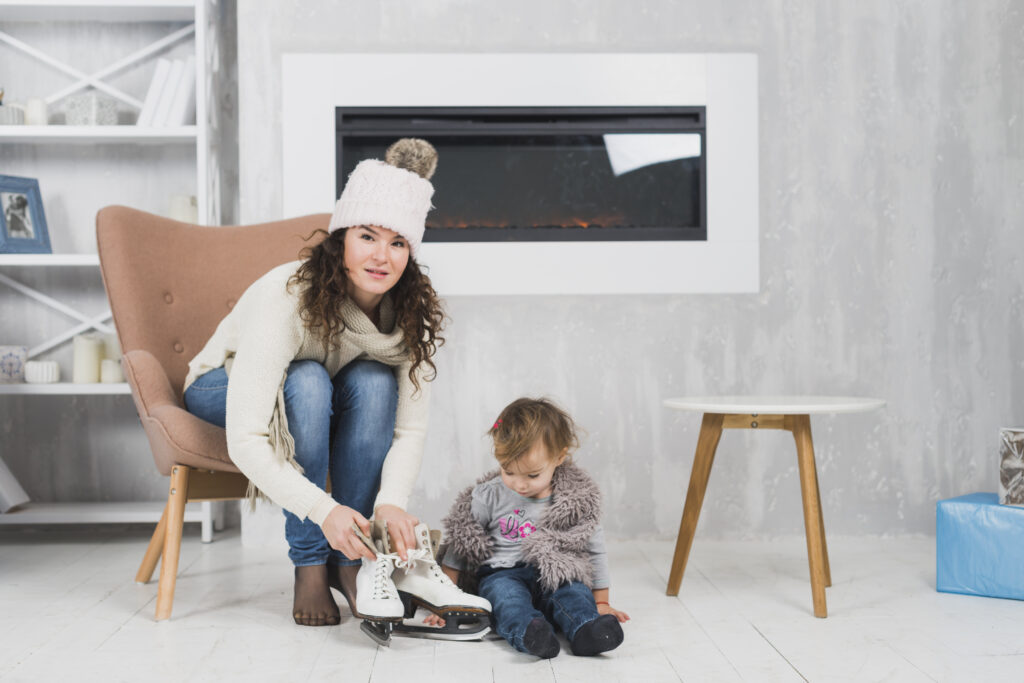
Creating a safe and comfortable home environment is a top priority for every parent, especially when babies and young children are involved. While many families focus on childproofing furniture, outlets, and stairways, the HVAC system is often overlooked. Yet heating and cooling systems play a major role in indoor air quality, temperature stability, humidity control, and overall comfort—factors that directly impact a child’s health and well-being.
Babies and young children are more sensitive to temperature changes, airborne allergens, and poor air circulation than adults. Their developing respiratory systems and higher breathing rates make clean, properly conditioned air especially important. In this guide, we’ll explore child and baby-friendly HVAC solutions that improve air quality, enhance safety, and create a more comfortable living space for your entire family.
Understanding Children’s Sensitivity to Indoor Air Quality
Indoor air quality in Sarasota plays a critical role in a child’s overall health and comfort. Because HVAC systems circulate air throughout the home, they directly influence the quality of the air babies and children breathe every day. Understanding why children are more vulnerable to airborne pollutants can help families make smarter decisions about filtration, ventilation, and system maintenance.
Why Babies and Kids Are More Vulnerable
Babies and young children are more sensitive to indoor air pollutants because their immune systems and respiratory systems are still developing. Their lungs are smaller and continue maturing throughout early childhood, which makes them more susceptible to irritation from dust, allergens, and airborne particles. In addition, children breathe more rapidly than adults, meaning they inhale a greater volume of air relative to their body size. When indoor air quality is poor, they are exposed to a higher concentration of pollutants. Research has also linked poor indoor air quality to increased asthma symptoms, allergy flare-ups, and other respiratory issues in children, making clean, properly filtered air especially important in family homes.
Common Indoor Air Pollutants in HVAC Homes
Several common pollutants can circulate through HVAC systems if not properly managed. Dust, pollen, pet dander, and mold spores are frequently found indoors and can accumulate in ductwork or filters over time. These particles can trigger sneezing, coughing, and other allergy symptoms, particularly in sensitive children. Volatile organic compounds (VOCs) released from cleaning products, paints, furniture, and air fresheners can also affect indoor air quality. Additionally, outdoor pollutants such as vehicle exhaust, smoke, and seasonal allergens can be drawn into the home through ventilation systems. Without proper filtration and regular maintenance, HVAC systems may continuously recirculate these contaminants, impacting the health and comfort of young family members.
Temperature & Comfort: Finding the Right Balance
Maintaining the right temperature inside your home is especially important when babies and young children are involved. Because children are more sensitive to heat and cold, a stable and comfortable indoor environment supports better sleep, improved mood, and overall well-being. Your HVAC system plays a key role in keeping temperatures consistent throughout the day and night.
Ideal Temperature Ranges for Children and Babies
For most families, keeping the home within a moderate, consistent temperature range provides the best balance of comfort and safety. Bedrooms and nurseries should feel comfortably cool but not cold, particularly during sleep hours. Avoid dramatic temperature swings between day and night, as rapid changes can disrupt sleep and cause discomfort. A steady indoor climate allows children to rest and play without overheating or becoming chilled.
Avoiding Forced Air Discomfort
Strong, direct airflow from vents can create uncomfortable drafts, especially in nurseries and play areas where babies spend extended periods of time. Adjusting vent direction or partially redirecting airflow helps create a gentler circulation pattern. Make sure cribs, bassinets, and play mats are not placed directly under supply vents. Reducing drafty airflow ensures children remain comfortable while still benefiting from properly conditioned air throughout the room.
Air Quality Solutions Tailored to Families
Creating a healthier indoor environment starts with choosing the right air quality solutions for your home. For families with babies and young children, proper filtration and moisture control can significantly reduce airborne irritants and improve overall comfort.
Choose the Right Air Filters
Air filters are your first line of defense against dust, pollen, and other airborne particles. Filters are rated using a MERV (Minimum Efficiency Reporting Value) scale, which measures how effectively they capture contaminants. For homes with children, mid- to higher-range MERV filters can help trap smaller particles like pet dander and allergens while still allowing proper airflow. In some cases, HEPA filters provide even stronger filtration by capturing extremely fine particles. Activated carbon filters can also help reduce odors and certain airborne chemicals, supporting cleaner indoor air. It’s important to select a filter that balances strong filtration with compatibility for your HVAC system.
Supplemental Air Quality Devices
In addition to standard filtration, many families benefit from supplemental air quality devices. Whole-home air purifiers integrate directly with the HVAC system to capture additional airborne particles throughout the house. UV germicidal lights installed within the system can help reduce the presence of bacteria and mold growth on coils and inside ductwork. In humid climates, dehumidifiers play a crucial role in maintaining balanced moisture levels, which helps prevent mold growth and improves overall comfort. These added layers of protection can be especially helpful in homes with children who have allergies or respiratory sensitivities.
Regular Duct Cleaning and Maintenance
Over time, dust and debris can accumulate inside ductwork, potentially affecting air quality and airflow. Clogged or dirty ducts may circulate allergens throughout the home, impacting sensitive family members. Routine HVAC maintenance, including coil cleaning and drain line checks, helps prevent buildup that can compromise air quality. While duct cleaning is not required annually for every home, it may be recommended if there are visible contaminants, persistent odors, or allergy concerns. Keeping ducts and system components clean supports healthier indoor air and consistent airflow throughout the home.
Childproofing Your HVAC System
When baby-proofing or childproofing your home, the HVAC system should be part of the checklist. Vents, outdoor units, and thermostat controls can all pose safety concerns if left unprotected. With a few simple adjustments, you can make your heating and cooling system safer without affecting performance.
Covering and Securing Vents Safely
Floor and wall vents can be tempting for curious toddlers who love to drop toys, snacks, or small objects into openings. Installing child-resistant vent covers helps prevent foreign objects from entering ductwork while still allowing proper airflow. Make sure covers are securely fastened and properly sized to avoid sharp edges or loose fittings. In addition, teach children not to place hands or toys near registers. Keeping vents clear not only protects your system from blockages but also prevents potential injury from small fingers coming into contact with metal edges.
Securing Outdoor Units
Outdoor condenser units should be kept out of reach of children whenever possible. Installing a protective barrier or low fence around the unit can prevent climbing, tampering, or accidental contact with moving parts. Be sure any fencing maintains proper clearance on all sides to allow adequate airflow for efficient operation. Avoid placing outdoor play equipment, balls, or toys near the unit, as impact can damage delicate components. Keeping the outdoor system secured helps protect both your equipment and your child’s safety.
Protecting Cords and Controls
Thermostats and exposed wiring can also attract curious hands. Concealing thermostat wires within walls or protective casing reduces tampering risks. Many modern thermostats offer lock settings or parental control features that prevent children from changing temperature settings. Installing a clear locking cover over the thermostat can provide added protection while still allowing adults easy access. Securing cords and controls ensures consistent comfort settings and prevents unnecessary strain on your HVAC system caused by frequent adjustments.
3 Healthy HVAC Maintenance Habits for Families
1. Seasonal Tune-Ups and Filter Changes
Scheduling professional HVAC tune-ups in the spring and fall helps ensure your system is ready for heavy cooling or heating seasons. A seasonal checklist should include coil cleaning, refrigerant level checks, electrical inspections, drain line clearing, and thermostat calibration. Between professional visits, parents should inspect air filters monthly, especially during peak usage months. If the filter appears dusty or discolored, replace it promptly. Homes with pets, allergies, or higher dust levels may require more frequent filter changes to maintain healthy airflow.
2. Identifying and Preventing Allergens
If your child frequently experiences sneezing, coughing, itchy eyes, or increased asthma symptoms indoors, your HVAC system could be circulating allergens. Signs of system-related allergy triggers include visible dust buildup around vents, musty odors when the system runs, or uneven airflow that stirs up particles. To reduce airborne triggers, keep filters clean, ensure vents are unobstructed, vacuum regularly using a HEPA-equipped vacuum, and consider supplemental air purification if needed. Managing humidity levels also helps prevent mold growth that can worsen allergy symptoms.
3. Professional Maintenance vs. DIY Checks
While there are several safe maintenance tasks parents can handle themselves, certain inspections should be left to licensed professionals. Technicians should check electrical components, test system performance, inspect ductwork for leaks, clean internal coils, and verify refrigerant levels. These steps require specialized tools and training. Safe DIY practices for parents include changing air filters, keeping vents clear, monitoring thermostat settings, and visually checking for water leaks or debris around the outdoor unit. Combining professional service with responsible at-home upkeep creates a safer and healthier indoor environment for your family.
3 HVAC Strategies for Better Sleep & Play Spaces
1. Quiet Operation Tips for Nurseries
Loud HVAC cycling or sudden airflow bursts can disrupt naps and nighttime sleep. To reduce noise in nurseries, consider using low-speed fan settings or systems designed for quieter operation. If your home has zoning capabilities, dedicating a zone to bedrooms can minimize system strain and reduce unnecessary airflow noise in other areas. Nighttime comfort can also be optimized by setting consistent temperatures rather than making frequent adjustments, which can trigger louder startup cycles. Keeping vents clean and ensuring ducts are properly sealed can further reduce rattling or airflow noise that may disturb sleep.
2. Zoning and Multiple Temperature Controls
Zoned HVAC systems allow different areas of the home to maintain separate temperature settings, which is especially helpful for families. Bedrooms, playrooms, and common areas often have different comfort needs throughout the day. For example, nurseries may benefit from slightly steadier temperatures during naps, while play areas may require stronger airflow during active hours. Zoning helps deliver custom comfort without overcooling or overheating the entire home. This not only improves comfort but also reduces unnecessary cooling or heating in unused spaces, helping improve efficiency.
3. Humidity Control for Comfort and Health
Humidity levels significantly impact comfort and indoor air quality. High humidity can make rooms feel warmer than they are and create conditions that support mold growth and dust mites. Low humidity, on the other hand, can dry out skin, irritate nasal passages, and increase static electricity. Maintaining balanced humidity helps support respiratory comfort and overall well-being. For families with children, keeping indoor humidity within a moderate, stable range supports healthier air and more consistent comfort. Dehumidifiers or whole-home humidity control systems can help manage moisture levels, particularly in humid climates where excess moisture is common.
Seasonal Safety Tips for Families
1. Summer HVAC Safety Practices
During warmer months, preventing overheating is a top priority for families. Ensure your air conditioning system is functioning properly before peak heat arrives by scheduling a seasonal tune-up and checking filters regularly. Keep indoor temperatures consistent and avoid extreme thermostat settings that can overwork the system. Children are more vulnerable to heat stress and dehydration, so maintaining a stable, comfortable environment is essential. Encourage regular hydration and avoid shutting the AC off for extended periods during very hot days. Safe thermostat habits include setting realistic cooling targets and using programmable schedules to maintain comfort without drastic temperature swings.
2. Winter HVAC Safety Practices
In cooler months, heating systems introduce different safety considerations. Keep children away from exposed heating elements, baseboards, or radiators that can become hot to the touch and pose burn risks. If using supplemental space heaters, choose models with automatic shutoff features and keep them away from curtains, bedding, and play areas. Never leave space heaters running unattended. Ensure carbon monoxide detectors are installed and functioning properly if your home uses gas heating. Regular professional maintenance of your heating system also helps prevent safety concerns related to combustion or airflow issues.
By adjusting HVAC safety practices with the seasons, families can maintain a secure and comfortable home environment year-round.
Addressing Common Family HVAC Concerns
Parents often notice HVAC-related issues more quickly because they’re focused on keeping their children comfortable and healthy. If something smells off, sounds louder than usual, or keeps getting adjusted by curious little hands, it’s worth taking a closer look.
My Child Is Sensitive to Smells — What Should I Do?
If your child reacts strongly to odors when the HVAC system turns on, the source could be a dirty air filter, dust buildup in ductwork, mold growth near the evaporator coil, or even outdoor pollutants being drawn inside. Musty smells may indicate moisture issues, while burning odors could signal dust on heating elements or electrical concerns. Start by replacing the air filter and checking for visible dust around vents. If odors persist, professional duct inspection or coil cleaning may be necessary. Upgrading to higher-quality filtration or adding activated carbon filters can also help reduce lingering smells and improve indoor air freshness.
My HVAC Seems Loud — Is That a Problem?
Some operational noise is normal, especially when the system first starts or shuts off. However, loud rattling, banging, screeching, or buzzing sounds are not typical and may indicate loose parts, motor strain, or airflow restrictions. Excessive noise in bedrooms or nurseries can disrupt sleep and create unnecessary stress. If your system seems louder than usual, have it inspected to rule out mechanical issues. Noise reduction strategies may include sealing duct leaks, tightening loose panels, upgrading to quieter equipment, or adjusting fan speeds to create smoother airflow.
My Kids Keep Touching the Thermostat — How Can I Prevent This?
Thermostats are often mounted at eye level for children, making them easy targets for curious hands. Frequent adjustments can cause temperature swings and unnecessary strain on your HVAC system. Installing a thermostat lock feature or protective cover can prevent unauthorized changes while still allowing adult access. Many smart thermostats also offer parental control settings or PIN protection to keep temperatures consistent. Securing thermostat controls helps maintain comfort while preventing system overuse caused by constant setting changes.
When to Call a Professional for Child-Specific HVAC Support
While many HVAC adjustments can be handled with routine maintenance and smart habits, certain situations require professional attention—especially when children’s health and safety are involved. If you notice persistent issues or potential hazards, it’s best to schedule an expert evaluation to ensure your system is operating safely and effectively.
Safety Concerns (Gas, Electrical Issues, Carbon Monoxide Risks)
If you smell gas, notice repeated breaker trips, detect burning odors, or hear unusual electrical sounds, turn off your system and contact a licensed technician immediately. Homes with gas furnaces should also have working carbon monoxide detectors installed, as combustion issues can pose serious risks. Any signs of electrical irregularities, exposed wiring, or overheating components should be inspected professionally to prevent potential injury or fire hazards.
Persistent Indoor Air Quality or Comfort Problems
If your child continues to experience discomfort, uneven temperatures, excessive humidity, or noticeable airflow issues despite regular filter changes and basic troubleshooting, your system may need deeper inspection. Professionals can test airflow, inspect ductwork, check for hidden mold growth, and evaluate system performance to identify underlying causes that affect comfort and air quality.
Child Allergy or Asthma Triggers
For families managing allergies or asthma, HVAC performance plays a critical role. If symptoms worsen indoors, especially when the system is running, it may indicate inadequate filtration, duct contamination, or humidity imbalances. An HVAC professional can recommend upgraded filtration, air purification options, or humidity control solutions tailored to your home’s needs. Taking proactive steps helps create a healthier indoor environment that supports your child’s respiratory well-being.
Calling a professional when child-specific concerns arise ensures your HVAC system supports both comfort and safety for your entire family.
FAQs about Child & Baby-Friendly HVAC Solutions
A consistent, moderate indoor temperature is generally best for babies. The room should feel comfortably cool but never cold or drafty. Stability is key, as sudden temperature changes can disrupt sleep and cause discomfort. Using a reliable thermostat and maintaining steady airflow helps create a soothing sleep environment for infants.
Air conditioning itself does not cause illness. However, poorly maintained systems can circulate dust, mold spores, or other irritants that may affect sensitive respiratory systems. Dirty filters, clogged drain lines, and improper humidity levels can all contribute to discomfort. Routine maintenance, clean filters, and balanced humidity help ensure the air your baby breathes is healthy and safe.
In homes with babies or young children, filters should be checked every month. Depending on system usage, pets, and dust levels, replacement may be needed every one to three months. During peak cooling or heating seasons, more frequent changes may be necessary to maintain proper airflow and reduce airborne irritants.
Yes, when properly selected and installed. Whole-home air purifiers that integrate with your HVAC system are often a safe and effective option. Standalone units can also be used if they are placed securely and maintained regularly. Choosing high-quality filtration helps reduce allergens and airborne particles in nurseries.
If not properly maintained, HVAC systems can circulate dust, pollen, and pet dander that may trigger allergy or asthma symptoms. However, with proper filtration, regular maintenance, and humidity control, HVAC systems can significantly improve indoor air quality and reduce respiratory triggers.
Closing multiple vents can disrupt airflow and place additional strain on your HVAC system. Instead of closing vents, adjust airflow direction or explore zoning options to manage comfort. Always keep supply and return vents clear and unobstructed for balanced circulation.
Yes, humidity control devices can help maintain comfortable moisture levels, which support respiratory comfort and prevent dry skin or nasal irritation. However, these devices must be cleaned regularly to prevent bacterial or mold growth. Maintaining balanced humidity is especially important in climates with extreme moisture levels.
If your HVAC system is disrupting sleep, schedule a professional inspection to rule out loose components or airflow issues. Adjusting fan speeds, sealing duct leaks, or installing zoning systems can help reduce noise in bedrooms and nurseries. Consistent maintenance also helps keep systems operating smoothly and quietly.
Duct cleaning is not always required annually, but it may be beneficial if there is visible dust buildup, mold concerns, persistent odors, or worsening allergy symptoms. A professional evaluation can determine whether cleaning would improve your home’s air quality.
If you notice recurring odors, uneven temperatures, persistent allergy symptoms, unusual noises, electrical issues, or signs of mold or moisture buildup, it’s best to consult a licensed HVAC professional. Early intervention helps maintain a healthier indoor environment and ensures your system supports your child’s comfort and safety year-round.
Little Lungs Deserve Big Comfort!
Creating a truly child and baby-friendly home means looking beyond the obvious safety features and paying attention to the air your family breathes every day. Your HVAC system plays a major role in maintaining clean air, stable temperatures, balanced humidity, and consistent comfort throughout your home. With the right filtration, proper airflow adjustments, seasonal AC maintenance in Sarasota, proper AC installation in Sarasota, regular AC replacement in Sarasota, quality air conditioning repair in Sarasota and thoughtful safety measures, you can reduce airborne irritants, limit allergens, prevent moisture issues, and create a more restful environment for sleep and play. A well-maintained HVAC system supports not only comfort but also your child’s overall health and well-being.
If you want peace of mind knowing your heating and cooling system is working safely and efficiently for your family. Pino’s Air as a trusted HVAC contractor in Sarasota is here to help. We can evaluate your current system, recommend practical upgrades for air quality and safety, and ensure everything is operating properly to support your child’s comfort year-round. Call 941-564-9070 or contact us to schedule a consultation and let’s build a healthier, more comfortable home environment for the people who matter most.