Multi-family properties in Sarasota face unique heating and cooling challenges that differ significantly from single-family homes. Apartment complexes, condominiums, and townhome communities require HVAC systems that can efficiently serve multiple units while maintaining consistent comfort for residents. With Sarasota’s long cooling seasons, high humidity, and coastal conditions, choosing the right HVAC setup is essential for maintaining indoor comfort, controlling energy costs, and supporting reliable system performance year-round.
Property owners, developers, and property managers must balance several factors when selecting HVAC solutions for multi-family buildings. System efficiency, tenant comfort, maintenance accessibility, and long-term operating costs all play important roles in determining the best option. In this guide, we’ll explore the most common multi-family HVAC systems used in Sarasota, their advantages and limitations, and key considerations for selecting the right solution for your property.
Understanding HVAC Requirements for Multi-Family Buildings
Multi-family buildings such as apartment complexes, condominiums, and townhomes require HVAC systems that can support multiple households at once while maintaining reliable performance. Unlike single-family homes, these buildings must account for shared infrastructure, higher occupancy levels, and varying comfort preferences among residents. Selecting the right HVAC approach helps ensure efficient energy use, consistent indoor comfort, and manageable long-term maintenance.
Why Multi-Family Properties Need Specialized HVAC Systems
Multi-family HVAC design differs significantly from systems used in single-family homes. Instead of serving one household, these systems must accommodate multiple living spaces that may have different heating and cooling needs. Some buildings use centralized systems that distribute conditioned air or chilled water throughout the property, while others rely on individual units installed in each apartment or condo. The right solution must balance energy efficiency, tenant comfort, and maintenance accessibility. Property owners and managers must also consider how easily technicians can service the system without disrupting multiple residents.
Key Factors That Influence System Selection
Several important factors influence which HVAC system works best for a multi-family property. Building size, layout, and the total number of units all affect system design. For example, high-rise buildings may benefit from centralized systems, while smaller apartment complexes or townhomes may use individual split systems. Energy efficiency goals and operational costs also play a major role, as property owners often look for systems that reduce utility expenses while maintaining consistent comfort for tenants. Proper system selection ensures reliable cooling performance, easier maintenance, and better long-term value for the property.
7 Types of HVAC Systems Used in Multi-Family Properties
Multi-family buildings rely on different HVAC system configurations depending on building size, layout, and comfort requirements. One of the most common approaches in larger developments is a centralized HVAC system, which provides heating and cooling to multiple units from a single main source.
1. Centralized HVAC Systems
Centralized HVAC systems use one primary system to serve multiple apartments or units within a building. Instead of each residence having its own separate HVAC equipment, heating and cooling are produced in a central mechanical area and distributed throughout the property. This approach is commonly used in large apartment complexes, high-rise condominiums, and commercial-style residential developments.
Common examples of centralized HVAC systems include chilled water systems and central boilers. In chilled water systems, a central chiller produces cold water that circulates through the building to air handlers or fan coil units located in individual apartments. Similarly, central boilers generate heated water that is distributed to provide heating when needed.
Advantages for large apartment complexes and high-rise buildings:
- One main system can efficiently serve many units within the building
- Easier centralized maintenance for property managers and building engineers
- Potentially lower operating costs when systems are properly sized and maintained
- More efficient energy use in large buildings with consistent heating and cooling demand
Potential limitations in tenant temperature control:
- Individual residents may have less control over their own temperature settings
- System adjustments may affect multiple units at once
- Zoning solutions may be needed to improve comfort across different floors or units
- Repairs or downtime may impact several apartments simultaneously
Centralized HVAC systems distribute heating or cooling from a central plant through the building and are commonly used in larger developments where uniform climate control is required.
2. Decentralized HVAC Systems
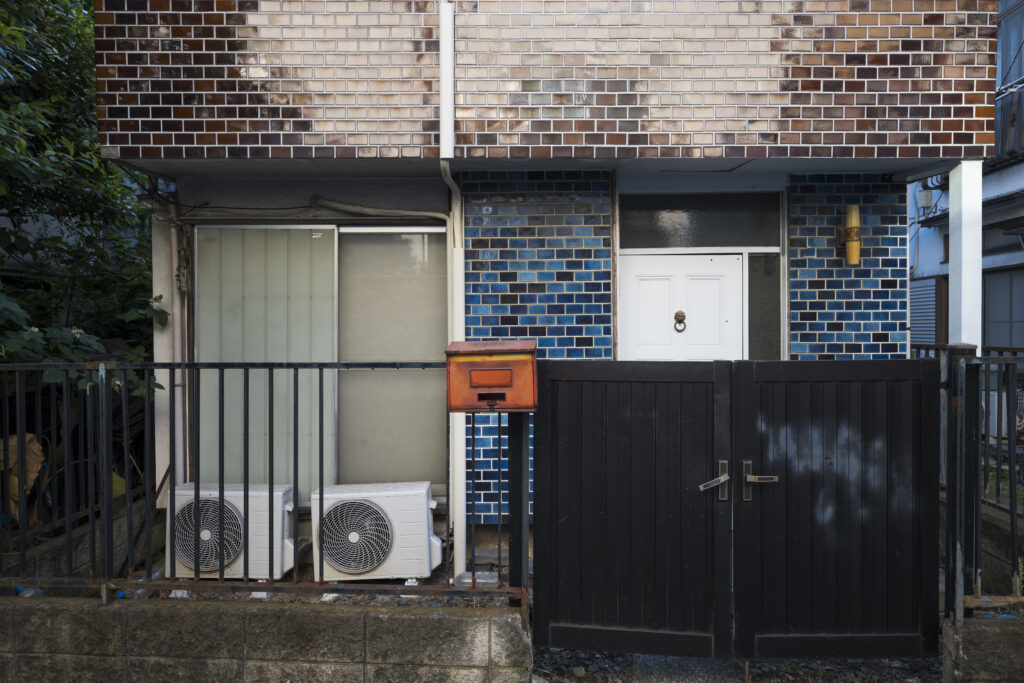
Decentralized HVAC systems install individual heating and cooling equipment within each apartment, condo, or townhome unit rather than relying on a single system to serve the entire building. In this setup, every residence typically has its own indoor air handler or furnace paired with an outdoor condenser or heat pump, allowing each household to operate its system independently. This approach is commonly used in smaller apartment buildings, townhome communities, and condominium developments where individualized climate control and flexible maintenance are priorities.
Key benefits of decentralized HVAC systems include:
- Individual HVAC units for each apartment or condo: Each residence has its own heating and cooling equipment, allowing occupants to operate their system independently without affecting neighboring units. This setup is particularly useful in buildings where different residents may have varying comfort preferences throughout the day.
- Greater temperature control for residents: Because every unit has its own thermostat and HVAC system, tenants can adjust temperatures based on their personal comfort needs. This improves satisfaction and avoids common complaints associated with centralized systems where temperature changes may impact multiple units at once.
- Simplified energy billing and utility management: With decentralized systems, energy usage is typically tied directly to each individual unit’s utility account. This allows property managers to separate energy costs more easily and ensures residents only pay for the heating or cooling they actually use.
- Easier maintenance and service access: Technicians can inspect, repair, or replace HVAC equipment in one unit without interrupting service to the rest of the building. This minimizes disruption for other residents and allows maintenance teams to address issues on a case-by-case basis rather than scheduling large building-wide service interruptions.
Decentralized systems place heating and cooling equipment inside or directly serving each unit, allowing tenants to control their own comfort levels while simplifying maintenance and system management for property owners.
3. Ductless Mini-Split Systems
Ductless mini-split systems are widely used in apartments, condominiums, and townhomes because they provide efficient heating and cooling without the need for traditional ductwork. These systems consist of an outdoor condenser connected to one or more indoor air handling units mounted on walls or ceilings. Refrigerant lines connect the units, allowing conditioned air to be delivered directly into each living space.
Mini-splits are especially useful in multi-family buildings where installing or modifying ductwork would be expensive or impractical. Because each indoor unit can operate independently, property owners and residents gain greater flexibility in controlling temperatures within individual units.
Benefits of ductless mini-split systems include:
- Flexible installation for apartments and retrofits: Mini-split systems require only small openings for refrigerant lines, making them ideal for older buildings, renovations, or properties where adding ductwork would be difficult.
- Energy-efficient cooling and heating: These systems are designed for high efficiency and can deliver targeted heating and cooling only where it’s needed, reducing energy waste and lowering operating costs.
- Ideal for smaller units or building upgrades: Mini-splits work well in studio apartments, condos, and smaller multi-family units where space is limited and individual climate control is desirable.
Mini-splits are widely used in apartment buildings because they provide efficient cooling without requiring extensive ductwork, making them a practical solution for many Sarasota multi-family housing developments.
4. Packaged Terminal Air Conditioners (PTAC Units)
Packaged Terminal Air Conditioners (PTAC units) are self-contained HVAC systems commonly used in apartments, hotels, and multi-family housing developments. These units are typically installed through an exterior wall and contain all heating and cooling components in a single compact system. Because they operate independently, each apartment or room can control its own temperature using an individual thermostat or control panel.
PTAC units are especially popular in multi-family properties where space is limited and property managers want straightforward installation and maintenance. Their wall-mounted design allows conditioned air to be delivered directly into the living space without requiring complex ductwork. In many cases, PTAC systems also include electric heating elements or heat pump functionality, allowing them to provide both cooling and heating in one unit.
Advantages of PTAC units in multi-family housing:
- Individual room temperature control: Each apartment or room has its own unit, allowing residents to adjust heating or cooling based on personal comfort preferences.
- Simple installation and replacement: PTAC units are installed through exterior walls and do not require ductwork, making them easier to install or replace compared to central systems.
- Cost-effective solution for many properties: Because each unit is self-contained, property owners can avoid the expense of installing complex centralized HVAC infrastructure.
- Independent operation for each unit: If one PTAC unit requires maintenance, other units in the building can continue operating normally.
Potential limitations of PTAC systems:
- More visible indoor equipment: Since the unit is installed inside the living space, it may affect aesthetics or usable wall space.
- Noise levels may be higher than central systems: Because the compressor and fan are housed in the same unit, PTAC systems can produce more noticeable operating noise.
- Lower efficiency compared to modern centralized systems: While PTAC units are practical, they may not always match the energy efficiency of newer centralized or variable refrigerant flow systems.
PTAC units are another common solution for multi-family properties because they provide independent heating and cooling within each unit, making them a practical option for apartment buildings and properties where individualized climate control is important.
5. Split System HVAC Units
Split system HVAC units are one of the most common heating and cooling solutions used in condominiums, townhomes, and smaller multi-family properties because they provide reliable temperature control using a combination of indoor and outdoor equipment. These systems are called “split” because the major components are separated into two units: an indoor air handler or furnace that circulates conditioned air through ductwork and an outdoor condenser that releases heat removed from the home. This design allows for efficient cooling and heating while keeping the louder mechanical components outside the living space.
Key advantages of split system HVAC units include:
- Traditional forced-air heating and cooling: Split systems use well-established HVAC technology that distributes conditioned air through ductwork, helping maintain consistent temperatures throughout each living space.
- Indoor air handler paired with outdoor condenser: The indoor unit handles airflow and temperature conditioning while the outdoor condenser manages heat exchange, creating a balanced system that improves efficiency and reduces indoor noise.
- Strong compatibility with existing ductwork: Many condos and townhomes are already built with duct systems, making split systems easier to install, upgrade, or replace compared to other HVAC configurations.
- Reliable and widely available service support: Because split systems are widely used in residential construction, parts, technicians, and maintenance services are readily available, making repairs and system upkeep more straightforward.
Split systems are among the most widely used HVAC systems in residential buildings and condominiums because they provide dependable performance, familiar operation, and effective temperature control for individual living units.
6. Variable Refrigerant Flow (VRF) Systems
Variable Refrigerant Flow (VRF) systems are advanced HVAC solutions designed to provide precise climate control across multiple areas of a building by distributing refrigerant from a central outdoor unit to several indoor air handlers located throughout the property. Instead of delivering the same level of heating or cooling everywhere, VRF systems adjust refrigerant flow based on the demand in each zone, allowing different apartments or sections of a building to maintain their own temperature settings while improving overall system efficiency.
Key advantages of VRF systems include:
- Advanced multi-zone climate control: VRF systems allow multiple indoor units to operate independently, giving each apartment or zone its own temperature settings without affecting other areas of the building.
- High efficiency and energy savings: By adjusting refrigerant flow to match real-time demand, VRF systems reduce unnecessary energy consumption and help lower overall operating costs.
- Simultaneous heating and cooling capability: Some VRF systems can provide heating to one area of the building while cooling another, which is especially beneficial in large multi-family buildings where comfort needs may vary between units.
VRF technology distributes refrigerant to multiple indoor units, allowing precise temperature control across many zones within a building while maintaining strong energy efficiency and flexible operation.
7. Chilled Water HVAC Systems
Chilled water HVAC systems are large-scale cooling solutions commonly used in high-rise residential buildings, luxury condominiums, and large multi-family developments because they can efficiently serve many units from a single central cooling source. In this system, a central chiller cools water in a mechanical plant or rooftop facility, and that chilled water is circulated through piping throughout the building to fan coil units or air handlers located in individual apartments or shared areas, where it absorbs heat and helps maintain comfortable indoor temperatures.
Key advantages of chilled water HVAC systems include:
- Large central cooling plants serving entire buildings: A single chiller system produces cooled water that circulates throughout the property, delivering consistent cooling to multiple apartments and common areas from one central system.
- Common in high-rise developments: Chilled water systems are frequently installed in taller residential buildings where centralized mechanical infrastructure simplifies building design and equipment placement.
- Strong potential for large-scale energy efficiency: Because chillers operate efficiently when serving larger loads, these systems can help reduce energy consumption across the building while maintaining reliable cooling performance.
These systems are particularly well suited for large multi-family properties where centralized cooling infrastructure can deliver reliable comfort while supporting efficient long-term building operations.
Energy Efficiency Considerations for Multi-Family HVAC
Energy efficiency is a major priority for multi-family HVAC systems because heating and cooling costs can quickly increase when serving multiple units within a single property. Property owners and managers must consider not only the comfort of residents but also the long-term operational costs associated with running HVAC systems throughout the year. Implementing energy-efficient equipment, smart control systems, and zoning strategies can significantly reduce energy consumption while maintaining reliable indoor comfort across apartments, condominiums, or townhomes.
High-Efficiency Equipment and SEER Ratings
Selecting high-efficiency HVAC equipment is one of the most effective ways to reduce energy costs in multi-family properties. Seasonal Energy Efficiency Ratio (SEER) ratings measure how efficiently an air conditioning system performs over an entire cooling season, with higher ratings indicating greater energy efficiency. Modern HVAC systems with higher SEER ratings use advanced compressor technology, improved heat exchange components, and variable-speed motors to deliver consistent cooling while consuming less electricity. For multi-family buildings in Sarasota, where cooling demands remain high for much of the year, upgrading to high-efficiency equipment can significantly reduce operating expenses and energy consumption. Over time, these systems not only lower utility costs for property owners or tenants but also place less strain on the HVAC equipment, helping extend system lifespan and improve overall performance.
Smart Controls and Building Automation
Smart HVAC controls and building automation systems help property managers optimize performance across multiple units by providing centralized monitoring and intelligent temperature management. Smart thermostats allow residents or building operators to adjust settings based on occupancy patterns, daily schedules, or seasonal conditions, helping prevent unnecessary heating or cooling when spaces are unoccupied. In larger multi-family buildings, centralized automation platforms can monitor multiple HVAC systems at once, providing real-time data on system performance, energy usage, and potential maintenance issues. This technology allows property managers to identify inefficiencies early, adjust system settings remotely, and maintain consistent comfort levels across the property. By combining automation with modern HVAC equipment, multi-family properties can significantly improve operational efficiency while maintaining reliable indoor climate control for residents.
Energy-Efficient Zoning Strategies
Energy-efficient zoning strategies divide a building into multiple climate zones so that different areas can be heated or cooled independently based on their specific needs. Instead of running the HVAC system at full capacity for the entire property, zoning allows targeted temperature control for individual apartments, floors, or shared spaces. This approach reduces unnecessary energy consumption in unoccupied units or low-use areas, helping minimize energy waste while maintaining comfort where it is needed most. In multi-family properties, zoning also allows residents to manage temperatures within their own living spaces without affecting neighboring units, improving overall tenant satisfaction. Properly designed zoning systems can balance airflow, reduce system strain, and allow HVAC equipment to operate more efficiently, contributing to lower operating costs and improved long-term system reliability.
3 HVAC Maintenance Strategies for Multi-Family Properties
1. Preventive Maintenance Programs
Preventive maintenance programs are essential for keeping multi-family HVAC systems operating smoothly throughout the year. These programs typically include scheduled inspections, system tune-ups, and routine servicing performed by professional HVAC technicians. During maintenance visits, technicians check critical components such as compressors, coils, electrical connections, refrigerant levels, and airflow performance to ensure the system is functioning properly. Identifying small issues early allows technicians to address them before they develop into larger, more expensive problems. For multi-family properties, preventive AC maintenance in Sarasota also helps extend equipment lifespan, reduce unexpected system failures, and maintain consistent performance across multiple units.
2. Air Filter and Indoor Air Quality Management
Air filter maintenance plays a critical role in maintaining proper airflow and indoor air quality in Sarasota for multi-family buildings. Filters help capture dust, pollen, pet dander, and other airborne particles that circulate through HVAC systems. When filters become clogged or dirty, airflow can become restricted, forcing HVAC equipment to work harder and reducing overall system efficiency. In buildings with many residents, maintaining clean filters helps support healthy air circulation across multiple units while minimizing allergens and dust buildup. Regular filter replacement schedules and proper ventilation management can improve indoor air quality, enhance system efficiency, and create a healthier living environment for tenants.
3. Emergency Service and Tenant Comfort
Even with proper maintenance, HVAC systems may occasionally experience unexpected issues that require immediate attention. For multi-family properties, having a reliable emergency service plan is essential to address system failures quickly and minimize disruption for residents. Rapid response strategies may include access to on-call HVAC technicians, prioritized repair scheduling, and clear communication with tenants during service interruptions. Responding quickly to HVAC problems not only restores indoor comfort but also helps prevent further equipment damage. Efficient emergency service procedures play a key role in maintaining tenant satisfaction and protecting the overall reliability of the building’s HVAC systems.
Sarasota Climate Challenges for Multi-Family HVAC
Multi-family HVAC systems in Sarasota must be designed to handle the region’s demanding climate conditions. With high humidity levels, coastal air exposure, and long cooling seasons, HVAC systems in this area often operate for extended periods throughout the year. Property owners and developers must consider these environmental factors when selecting and maintaining HVAC systems to ensure consistent comfort, energy efficiency, and long-term equipment durability.
High Humidity and Coastal Conditions
Sarasota’s coastal environment creates unique challenges for HVAC systems, particularly due to high humidity levels and salt-laden air. Excess moisture in the air can lead to issues such as mold growth, condensation buildup, and reduced indoor air quality if HVAC systems are not properly designed to manage humidity. In multi-family properties, controlling indoor moisture is especially important because multiple living spaces share similar airflow conditions. Advanced humidity control features, properly sized HVAC systems, and effective ventilation strategies help maintain comfortable indoor environments while preventing mold or mildew from developing. Additionally, coastal air can contribute to corrosion of outdoor HVAC components, making regular maintenance and protective system design essential for long-term reliability.
Long Cooling Seasons
Unlike cooler regions where heating and cooling needs vary significantly throughout the year, Sarasota experiences long periods of warm weather that require consistent air conditioning use. Multi-family HVAC systems in this region often operate for extended hours, placing increased demand on compressors, fans, and other critical components. Because of this heavy usage, energy efficiency becomes a key factor in system design. Property owners must select HVAC systems that can perform reliably under continuous operation while maintaining reasonable energy consumption. Proper system sizing, efficient equipment, and routine maintenance help ensure that HVAC systems can handle year-round cooling demands without excessive wear or frequent breakdowns.
Choosing the Right HVAC System for Your Property
Selecting the right HVAC system for a multi-family property requires careful planning and consideration of several important factors. Property owners, developers, and managers must balance installation costs, long-term efficiency, tenant comfort, and maintenance accessibility when deciding which system best fits the building’s needs. The right HVAC design should provide reliable performance while supporting efficient operation and consistent comfort for residents across all units.
Evaluating Building Size and Layout
The size and layout of a building play a major role in determining the most suitable HVAC system. High-rise buildings often benefit from centralized systems such as chilled water or VRF systems because they can efficiently serve many units from a single mechanical plant. In contrast, low-rise buildings, townhome communities, and smaller apartment complexes may be better suited for decentralized systems like split systems or ductless mini-splits that provide independent control for each unit. Factors such as available mechanical space, ductwork pathways, and structural design also influence which HVAC solutions can be installed effectively.
Budget and Long-Term Operating Costs
Initial installation costs are only one part of the overall HVAC investment for multi-family properties. While some systems may have higher upfront installation expenses, they can offer substantial energy savings and lower operating costs over time. Property owners should evaluate both short-term and long-term financial considerations, including energy efficiency, maintenance requirements, and equipment lifespan. Choosing a system that balances installation cost with long-term efficiency can help reduce operational expenses and improve overall return on investment.
Comfort and Tenant Satisfaction
Tenant comfort is a critical factor in multi-family HVAC design. Systems that provide individual temperature control allow residents to adjust their indoor environment according to personal preferences, which can improve satisfaction and reduce complaints. However, centralized systems may offer greater efficiency for large properties. The best solution often involves finding the right balance between individualized comfort and efficient building-wide climate management. Proper system design ensures consistent temperatures, reliable airflow, and comfortable living conditions for residents throughout the property.
When to Upgrade or Replace Multi-Family HVAC Systems
HVAC systems in multi-family properties are built to operate for many years, but over time they can become less efficient and more prone to breakdowns. As systems age, property owners may begin to notice increased maintenance costs, inconsistent performance, and rising energy expenses. Knowing when to upgrade or replace an HVAC system is essential for maintaining reliable comfort for residents while avoiding costly emergency repairs.
Signs an HVAC System Is Outdated
Older HVAC systems often show clear warning signs that they are nearing the end of their useful lifespan. Frequent repairs are one of the most common indicators, especially when the same components continue to fail or require replacement. Inconsistent temperatures across different units or areas of the building can also signal that the system is struggling to maintain proper airflow or cooling capacity. Rising energy bills are another strong sign that HVAC equipment is losing efficiency and working harder to achieve the same level of performance. When these issues begin to occur regularly, upgrading the system may be more cost-effective than continuing to repair aging equipment.
Benefits of Modern HVAC Technology
Modern HVAC systems offer significant improvements in both performance and energy efficiency compared to older equipment. Newer systems often feature variable-speed compressors, advanced airflow management, and smart control capabilities that help maintain more consistent indoor temperatures while using less energy. These improvements not only enhance comfort for residents but can also reduce overall operating costs for property owners. In addition, modern HVAC systems typically require fewer repairs and benefit from updated components designed for durability and efficiency. Upgrading to newer technology can improve reliability, lower maintenance demands, and support better long-term system performance for multi-family properties.
FAQs About Multi-Family HVAC Systems in Sarasota
The best HVAC system for an apartment complex depends on several factors, including the building’s size, layout, number of units, and long-term efficiency goals. Larger buildings and high-rise developments often benefit from centralized systems such as chilled water or VRF systems because they can efficiently serve many units from one central location. Smaller apartment buildings or townhome-style communities may work better with decentralized options like split systems or ductless mini-splits, which provide individual temperature control for each unit. The ideal solution balances energy efficiency, tenant comfort, and maintenance accessibility.
Both centralized HVAC systems and individual unit systems offer advantages depending on the property design and tenant expectations. Individual HVAC units, such as split systems or mini-splits, allow residents to control their own temperature settings and energy usage, which often improves tenant satisfaction. Centralized systems, on the other hand, can provide more efficient operation for large buildings and simplify maintenance for property managers. The best choice often depends on the building’s infrastructure, budget, and the level of individual control desired for residents.
HVAC systems in multi-family properties should typically be serviced at least twice a year, ideally before the peak cooling and heating seasons. Regular maintenance inspections allow technicians to check components such as coils, refrigerant levels, electrical connections, and airflow performance. For buildings in Sarasota’s warm and humid climate, routine maintenance is especially important because systems run frequently throughout the year. Preventive servicing helps reduce breakdowns, extend equipment lifespan, and maintain efficient system performance for all residents.
Yes, properly designed and maintained HVAC systems can significantly improve indoor air quality in multi-family buildings. Air filtration systems help remove dust, pollen, pet dander, and other airborne particles from circulating air. Additional features such as high-efficiency filters, air purification systems, and humidity control equipment can further enhance air quality throughout the property. Maintaining clean ductwork, replacing filters regularly, and ensuring proper ventilation are also key factors in supporting healthier indoor air environments for residents.
Several energy-efficient upgrades can help improve HVAC performance in multi-family properties. Upgrading to high-efficiency HVAC systems with higher SEER ratings can significantly reduce energy consumption. Smart thermostats and building automation systems allow property managers to monitor and optimize system performance across multiple units. Additional improvements such as variable-speed compressors, energy-efficient zoning systems, improved insulation, and duct sealing can also enhance efficiency while reducing operating costs. These upgrades help property owners improve building performance while providing comfortable indoor environments for tenants.
Smart HVAC Choices Keep Tenants Happy and Systems Chill!
Choosing the right HVAC system for a multi-family property in Sarasota requires careful planning and consideration of several important factors, including building size, system efficiency, tenant comfort, and long-term maintenance needs. Because Sarasota experiences long cooling seasons, high humidity, and coastal environmental conditions, HVAC systems must be designed to handle continuous demand while maintaining reliable performance. Property owners and managers must also consider how system design affects energy consumption, maintenance accessibility, and overall tenant satisfaction. We also offer AC replacement in Sarasota, AC installation in Sarasota, air conditioning repair in Sarasota, and attic insulation in Sarasota to help keep your home safe and last longer. By selecting the right HVAC configuration and maintaining it properly, multi-family buildings can improve energy efficiency, extend equipment lifespan, and create more comfortable living environments for residents throughout the year.
If you’re exploring HVAC options for your apartment complex, condominium, or multi-family property. Pino’s air is a professional HVAC contractor in Sarasota and is here to help guide you through the process. We can evaluate your building’s layout, recommend energy-efficient HVAC systems, and help ensure your property has a reliable solution that supports both tenant comfort and long-term operational efficiency. Whether you’re planning a new installation, upgrading aging equipment, or improving system performance, we can help you make informed decisions. Call 941-564-9070 or contact us to schedule a consultation to discuss the best HVAC solutions for your Sarasota multi-family property.