Modern commercial buildings rely on more than just heating and cooling equipment to maintain comfort and efficiency. Today’s facilities often use smart technology to monitor, control, and optimize building systems in real time, helping businesses reduce energy waste, improve indoor comfort, and simplify day-to-day operations. One of the most effective ways to achieve this is through building automation systems (BAS) and HVAC integration. By connecting HVAC equipment to centralized automation controls, commercial properties can manage temperature, airflow, humidity, ventilation, and system performance more efficiently across the entire building.
For Florida businesses, smart HVAC management is especially important because commercial cooling systems often run for long hours throughout the year. Heat, humidity, changing occupancy levels, and rising energy costs can place heavy demands on HVAC equipment, particularly in larger buildings with multiple zones or tenants. Building automation systems help businesses respond to these challenges by automating temperature schedules, improving energy monitoring, supporting indoor air quality, and reducing unnecessary HVAC runtime. Whether for office buildings, retail centers, medical facilities, restaurants, or industrial spaces, BAS and HVAC integration can help create a more comfortable, energy-efficient, and easier-to-manage commercial environment.
What Is a Building Automation System (BAS)?
A building automation system, often called BAS, is a centralized control system that helps manage and monitor different building operations from one platform. Instead of relying on separate controls for HVAC, lighting, ventilation, security, and other systems, BAS connects these systems so they can work together more efficiently. For commercial buildings, this can make it easier to reduce energy waste, improve comfort, track performance, and respond quickly when something is not working properly. When HVAC is integrated into a BAS, building owners and facility managers gain better control over temperature, airflow, humidity, ventilation, and equipment operation throughout the property.
Understanding Building Automation Technology
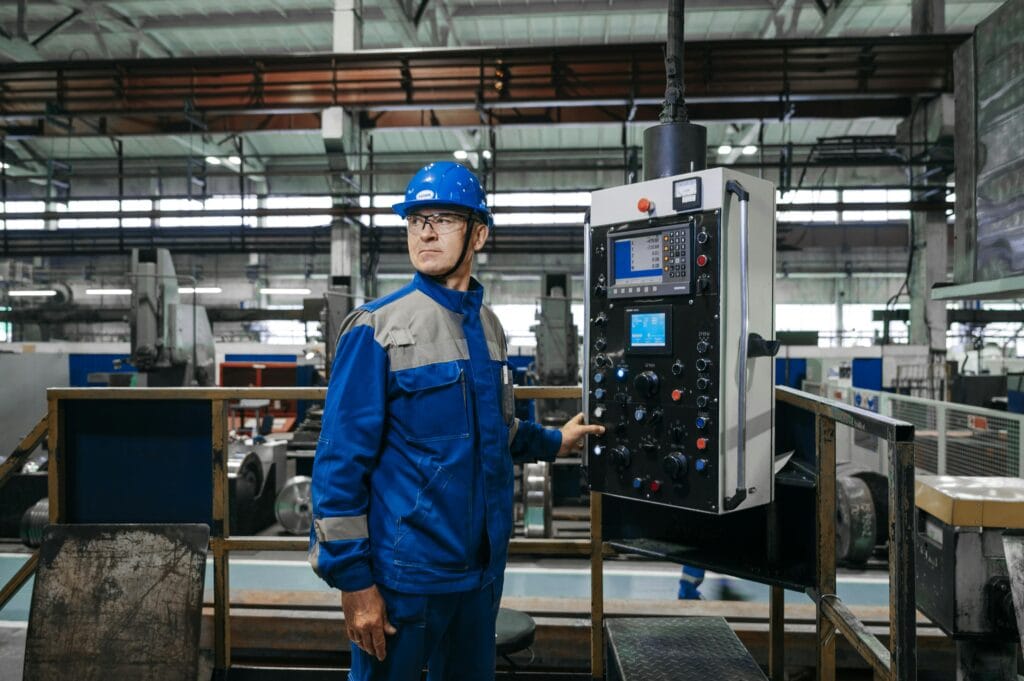
Building automation technology uses sensors, controllers, software, and connected equipment to monitor and adjust building systems automatically. For example, sensors may track temperature, humidity, occupancy, airflow, and energy use, while the BAS uses that information to make adjustments based on set schedules or building conditions. This allows commercial buildings to operate more intelligently instead of depending only on manual thermostat changes or fixed schedules. In workplaces with multiple rooms, departments, tenants, or comfort needs, automation helps create a more responsive and efficient building environment.
How BAS Systems Work
A BAS works by collecting information from connected devices throughout the building and using that data to control system operation. Sensors send real-time readings to the automation platform, and the system responds based on programmed settings, occupancy patterns, or performance goals. For HVAC, this may mean adjusting temperatures during business hours, reducing cooling in unoccupied areas, increasing ventilation when needed, or sending alerts when equipment is not performing normally. By continuously monitoring conditions, BAS helps the building respond more efficiently to changes throughout the day.
Common Systems Controlled by BAS
A building automation system can control many different systems within a commercial property. Common examples include HVAC equipment, lighting, ventilation, access control, alarms, energy meters, pumps, fans, and sometimes indoor air quality monitoring systems. Not every building needs every feature, but integrating key systems can help improve efficiency and simplify facility management. HVAC is often one of the most important systems connected to BAS because heating, cooling, and ventilation have a major impact on energy use, comfort, and indoor air quality.
The Role of HVAC in Building Automation
HVAC plays a central role in building automation because it is one of the largest energy users in many commercial buildings. When HVAC equipment is connected to a BAS, the system can automatically adjust cooling, heating, ventilation, and humidity control based on building conditions. This helps prevent unnecessary runtime, overcooling, poor airflow, and wasted energy. In Florida commercial buildings, HVAC automation is especially valuable because cooling systems often run for long hours and must manage both heat and humidity. BAS gives businesses better control over these demands while supporting a more comfortable indoor environment.
How BAS Helps Centralize Building Operations
One of the biggest advantages of BAS is that it brings building operations into one centralized platform. Facility managers can monitor HVAC performance, review energy usage, adjust schedules, respond to alerts, and manage multiple zones without having to check each system separately. This centralized control makes it easier to identify problems, improve efficiency, and maintain consistent comfort across the building. For large or multi-tenant commercial properties, BAS can also reduce manual work and help teams make faster, more informed decisions about building performance.
What Does HVAC Integration Mean?
HVAC integration means connecting heating, cooling, ventilation, and indoor air quality systems to a larger building automation platform so they can be monitored and managed together. Instead of treating each thermostat, unit, or zone as a separate system, integration brings HVAC equipment into one connected control environment. This allows commercial buildings to operate more efficiently by coordinating temperature settings, humidity control, airflow, ventilation, scheduling, and equipment performance from a centralized system. For Florida businesses, this can be especially valuable because HVAC systems often work long hours to manage heat, humidity, and changing occupancy demands.
Connecting HVAC Systems to Building Controls
Connecting HVAC systems to building controls allows equipment such as air conditioners, rooftop units, air handlers, ventilation systems, dampers, thermostats, and sensors to communicate with the building automation system. Once connected, the BAS can monitor system activity and adjust settings based on programmed schedules, occupancy, temperature changes, or energy-efficiency goals. This helps reduce the need for manual adjustments and allows the building to respond more intelligently to real operating conditions throughout the day.
Monitoring Heating, Cooling, and Ventilation from One Platform
With HVAC integration, facility managers can monitor heating, cooling, and ventilation from one platform instead of checking separate controls across the building. This centralized view makes it easier to track system status, temperature readings, humidity levels, ventilation performance, energy usage, and equipment alarms. For large or multi-zone buildings, this can save time and help teams respond faster when a comfort issue or system problem appears. Centralized monitoring also gives businesses a clearer picture of how the HVAC system is performing as a whole.
Automating Temperature and Humidity Adjustments
HVAC integration allows temperature and humidity adjustments to happen automatically based on building needs. For example, the system can reduce cooling in unoccupied areas, adjust settings during peak business hours, or respond to high humidity levels before indoor comfort declines. Automated adjustments help maintain a more stable indoor environment while reducing unnecessary HVAC runtime. In Florida’s humid climate, this can support better comfort, indoor air quality, and energy efficiency.
Coordinating Multiple HVAC Zones
Many commercial buildings have multiple zones with different comfort needs. Offices, conference rooms, retail areas, kitchens, storage rooms, and tenant spaces may not all require the same temperature or airflow at the same time. HVAC integration allows these zones to be coordinated through one system, making it easier to reduce hot and cold spots, avoid overcooling unused areas, and direct comfort where it is needed most. Better zone coordination can also reduce energy waste and improve occupant satisfaction across the building.
Using Data to Improve System Performance
Integrated HVAC systems generate useful data that can help improve performance over time. Facility managers can review runtime, energy use, temperature trends, humidity levels, occupancy patterns, and maintenance alerts to identify inefficiencies or recurring problems. This data can reveal issues such as equipment running after hours, zones using too much energy, poor airflow, or systems struggling during peak demand. By using this information, businesses can make smarter decisions about maintenance, scheduling, retrofits, and future HVAC upgrades.
Why Commercial Buildings Use BAS and HVAC Integration
Commercial buildings use building automation systems and HVAC integration to improve efficiency, reduce operating costs, simplify building management, and create more comfortable indoor environments. In large facilities, managing HVAC equipment manually can become difficult, especially when different zones, occupancy levels, operating schedules, and indoor conditions constantly change throughout the day. BAS and HVAC integration help automate these adjustments, allowing the building to respond more efficiently while giving facility managers better visibility into system performance and energy use.
Reduce Energy Consumption
One of the biggest reasons commercial buildings use BAS and HVAC integration is to reduce unnecessary energy consumption. Automated controls help prevent HVAC systems from running harder or longer than needed by adjusting temperatures, airflow, and ventilation based on occupancy and real-time conditions. Instead of cooling the entire building equally at all times, the system can direct energy where it is actually needed. This helps reduce wasted cooling and improve overall energy performance.
Lower Commercial Utility Costs
Energy efficiency improvements often lead to lower utility costs, which is especially important for large buildings with heavy HVAC demands. Heating, cooling, and ventilation systems are typically among the largest energy consumers in commercial properties. BAS helps manage these systems more efficiently by reducing after-hours runtime, limiting overcooling, balancing zones, and improving scheduling. Over time, these adjustments can help businesses lower operating expenses while maintaining comfort throughout the building.
Improve Occupant Comfort
Building automation can help create more consistent indoor comfort for employees, customers, tenants, and visitors. Automated HVAC controls help reduce hot and cold spots, improve airflow distribution, maintain balanced humidity, and adjust temperatures based on occupancy levels. Instead of relying on constant manual thermostat changes, the system continuously monitors indoor conditions and responds automatically. This creates a more stable and comfortable environment across offices, conference rooms, retail areas, waiting rooms, and shared spaces.
Support Better Indoor Air Quality
Indoor air quality is closely connected to HVAC performance, ventilation, airflow, and humidity control. BAS and HVAC integration help support cleaner indoor air by improving ventilation scheduling, monitoring humidity levels, managing airflow, and helping maintain proper filtration performance. Some systems can also track indoor air quality conditions and adjust ventilation rates automatically when occupancy increases or air quality changes. This can help create a healthier indoor environment while supporting workplace comfort.
Improve HVAC Equipment Efficiency
HVAC integration allows equipment to operate more strategically instead of constantly running at full demand. Systems can cycle more efficiently, reduce unnecessary runtime, and respond to changing building conditions automatically. This helps lower strain on HVAC equipment, improve operational efficiency, and reduce wear on components over time. Better efficiency can also help extend equipment lifespan and lower the frequency of major repairs.
Simplify Facility Management
Managing a large commercial building becomes easier when HVAC systems and building controls are connected through one centralized platform. Facility managers can monitor temperatures, schedules, airflow, alarms, energy usage, and system performance from one interface instead of checking multiple systems separately. BAS also allows managers to respond faster to comfort complaints or equipment issues while improving overall visibility into building operations.
Reduce Manual Adjustments and Human Error
Manual thermostat adjustments and inconsistent scheduling can lead to energy waste, uneven comfort, and operational inefficiencies. BAS reduces the need for constant manual intervention by automating system adjustments based on programmed settings and real-time data. This helps reduce human error, maintain more consistent building performance, and ensure HVAC systems operate according to the building’s actual needs instead of relying on guesswork or constant manual changes.
8 Key Features of Building Automation Systems for HVAC
1. Smart Thermostat and Temperature Control
Smart thermostat and temperature control features allow businesses to manage indoor comfort more accurately across the building. Instead of using basic manual thermostats, BAS-connected controls can adjust temperatures based on schedules, occupancy, zone demand, and real-time indoor conditions. This helps reduce overcooling, prevent unnecessary runtime, and maintain more consistent temperatures throughout the day. For commercial buildings, smarter temperature control can improve comfort while helping lower energy waste.
2. Occupancy-Based HVAC Scheduling
Occupancy-based scheduling allows the HVAC system to respond to how the building is actually being used. If certain offices, meeting rooms, tenant spaces, or common areas are empty, the system can reduce cooling in those zones until they are occupied again. This prevents the building from cooling unused spaces at full capacity and helps reduce energy costs. In buildings with changing schedules or multiple departments, occupancy-based control can make HVAC operation much more efficient.
3. Automated Ventilation Control
Automated ventilation control helps manage how much fresh air enters the building based on occupancy, indoor conditions, and system needs. Proper ventilation supports indoor air quality, but too much uncontrolled outdoor air can increase cooling and humidity loads, especially in Florida. BAS can help balance fresh air intake with energy efficiency by adjusting ventilation more strategically. This supports cleaner indoor air without forcing the HVAC system to work harder than necessary.
4. Humidity Monitoring and Adjustment
Humidity monitoring is a valuable feature for Florida commercial buildings because moisture control is essential for comfort and indoor air quality. A building automation system can track humidity levels and help adjust HVAC operation when indoor moisture becomes too high. Better humidity management can reduce sticky indoor air, musty odors, condensation, and mold concerns. It can also help occupants feel more comfortable without lowering the thermostat unnecessarily.
5. Real-Time Energy Monitoring
Real-time energy monitoring gives facility managers a clearer view of how much energy the HVAC system is using and when. This makes it easier to identify spikes in usage, after-hours operation, inefficient zones, or equipment that may be consuming more energy than expected. With this data, businesses can make informed decisions about schedules, maintenance, repairs, and upgrades. Real-time visibility is especially helpful in large buildings where small inefficiencies can add up quickly.
6. Alarm Notifications and System Alerts
BAS can send alarm notifications and system alerts when HVAC equipment is not performing as expected. Alerts may warn facility teams about temperature issues, equipment faults, humidity problems, airflow concerns, or unusual energy use. These notifications allow teams to respond faster before small problems turn into major breakdowns or comfort complaints. Early alerts can also help reduce downtime and protect HVAC equipment from unnecessary strain.
7. Remote HVAC System Access
Remote access allows facility managers or building teams to monitor and adjust HVAC settings without being physically onsite. This is especially useful for multi-building properties, after-hours issues, or businesses with limited maintenance staff. Remote access can help teams change schedules, respond to alarms, review system performance, and troubleshoot comfort concerns more efficiently. It also provides more flexibility for managing building comfort outside normal operating hours.
8. Multi-Zone Temperature Management
Multi-zone temperature management allows different areas of a building to be controlled independently based on their specific needs. Offices, conference rooms, retail spaces, kitchens, storage areas, and tenant suites may all require different cooling levels. BAS makes it easier to coordinate these zones, reduce hot and cold spots, and avoid wasting energy in areas that do not need full cooling. Better zone control supports comfort, efficiency, and more customized building management.
How HVAC Integration Improves Energy Efficiency
HVAC integration improves energy efficiency by helping commercial buildings use heating, cooling, and ventilation only when and where they are needed. Instead of running HVAC equipment on fixed schedules or relying on manual thermostat adjustments, integrated systems use automation, sensors, and performance data to make smarter decisions throughout the day. This helps reduce wasted runtime, prevent overcooling, improve zone control, and support better equipment performance. For Florida commercial buildings, where cooling systems often run for long hours, these improvements can make a meaningful difference in energy use and operating costs.
Reduces Unnecessary HVAC Runtime
One of the biggest ways HVAC integration improves efficiency is by reducing unnecessary runtime. Integrated controls can adjust HVAC operation based on occupancy, schedules, indoor temperatures, and zone demand. This means the system does not have to cool empty offices, meeting rooms, or common areas at full capacity when they are not in use. By limiting operation during low-demand periods, businesses can reduce energy waste and lower strain on HVAC equipment.
Prevents Overcooling and Energy Waste
Overcooling is common in commercial buildings, especially when one thermostat controls multiple spaces with different comfort needs. HVAC integration helps prevent this by allowing more precise temperature control across zones. Instead of lowering the temperature for the entire building to satisfy one warm area, the system can make targeted adjustments where they are needed. This helps reduce wasted cooling, improve comfort balance, and prevent energy from being used in areas that are already comfortable.
Optimizes Cooling During Occupied Hours
Integrated HVAC systems can be programmed to match the building’s actual operating schedule. Cooling can ramp up before employees or customers arrive, maintain comfort during peak hours, and reduce output after the building is empty. This helps keep the indoor environment comfortable when people are present while avoiding unnecessary energy use after hours. In buildings with changing occupancy patterns, automation can also adjust cooling dynamically based on real-time use.
Improves Equipment Performance
HVAC integration helps equipment operate more efficiently by coordinating system components and reducing unnecessary stress. When controls, sensors, dampers, thermostats, and HVAC units work together, the system can respond more accurately to building needs. This can reduce short cycling, improve airflow management, support better humidity control, and help equipment maintain steadier operation. Better performance often means lower energy use, fewer comfort complaints, and less wear on major components.
Supports Energy Reporting and Tracking
Building automation systems can track HVAC runtime, energy use, temperature trends, humidity levels, and zone performance over time. This data helps facility managers identify inefficiencies that may not be obvious during daily operations. For example, reports may show that certain zones run after hours, one unit uses more energy than others, or cooling demand spikes at specific times of day. With clear energy tracking, businesses can make informed decisions about scheduling, maintenance, retrofits, and future upgrades.
Helps Buildings Meet Efficiency Goals
Many commercial properties have energy reduction goals, sustainability targets, or operating cost benchmarks. HVAC integration supports these goals by giving businesses better control over one of the largest energy users in the building. Automated scheduling, energy monitoring, zone control, and performance alerts all help reduce waste while maintaining comfort. Over time, integrated HVAC controls can make it easier for buildings to improve efficiency, manage energy costs, and operate more responsibly without sacrificing indoor comfort.
Improve Workplace Comfort with Smart HVAC Automation
Workplace comfort plays a major role in how employees, customers, tenants, and visitors experience a commercial building. Smart HVAC automation helps create a more stable and comfortable indoor environment by allowing heating, cooling, airflow, and humidity control to adjust automatically based on real-time building conditions. Instead of relying only on manual thermostat changes or fixed schedules, building automation systems help commercial properties respond more efficiently to occupancy levels, temperature fluctuations, and airflow demands throughout the day. This can improve comfort while also supporting better HVAC efficiency and energy management.
Maintain More Consistent Temperatures
One of the biggest benefits of smart HVAC automation is maintaining more consistent temperatures across the building. In many commercial properties, temperatures can fluctuate throughout the day because of sunlight exposure, occupancy changes, equipment heat, or uneven airflow. BAS-connected HVAC systems continuously monitor indoor conditions and make automatic adjustments to help stabilize temperatures. This reduces the need for constant manual thermostat changes and helps create a more predictable indoor environment.
Reduce Hot and Cold Spots
Hot and cold spots are common in large buildings with multiple zones, changing occupancy patterns, or uneven airflow distribution. Some rooms may feel too warm while others feel too cold, leading to comfort complaints and unnecessary thermostat adjustments. Smart HVAC automation helps reduce these issues by monitoring zone conditions individually and adjusting airflow or cooling output where it is needed most. Better zone coordination helps improve comfort consistency throughout offices, conference rooms, customer areas, and shared spaces.
Improve Humidity Control
Humidity control is especially important in Florida commercial buildings because excess moisture can make indoor spaces feel uncomfortable even when temperatures are relatively low. Smart HVAC automation can monitor humidity levels in real time and help adjust system operation to maintain more balanced indoor conditions. Better humidity control can reduce sticky air, musty odors, condensation, and overcooling while supporting cleaner indoor air and improved comfort throughout the workplace.
Support Better Airflow Throughout the Building
Good airflow helps distribute conditioned air evenly and prevents certain areas from feeling stuffy or poorly ventilated. Building automation systems can help support airflow by monitoring system performance, balancing zones, and adjusting ventilation based on occupancy and demand. This helps improve circulation across the building and allows the HVAC system to respond more effectively to changing indoor conditions. Better airflow also supports indoor air quality and overall occupant comfort.
Adjust Conditions Based on Occupancy
Smart HVAC automation allows building conditions to change based on how the space is actually being used. For example, conference rooms, meeting spaces, break rooms, or tenant areas can receive more cooling and ventilation when occupied and reduce output when empty. Occupancy-based adjustments help prevent unnecessary energy waste while maintaining comfort where people are present. This flexibility is especially valuable in larger commercial buildings where occupancy levels may change throughout the day.
Improve Employee and Customer Comfort
Comfortable indoor environments help create a better experience for both employees and customers. When temperatures are stable, airflow feels balanced, humidity is controlled, and the building feels fresh, occupants are more likely to feel comfortable spending time in the space. Smart HVAC automation helps support these conditions consistently while reducing the common issues that lead to discomfort complaints. For offices, retail centers, medical facilities, restaurants, and other customer-facing businesses, improved comfort can contribute to a more positive workplace and visitor experience overall.
Building Automation and Indoor Air Quality
Building automation systems can play an important role in improving indoor air quality by helping commercial buildings monitor, manage, and adjust air conditions more intelligently. Since indoor air quality depends on ventilation, filtration, airflow, humidity control, and HVAC performance, connecting these systems through BAS gives facility teams better visibility and control. Instead of reacting only when occupants complain about stale air, odors, humidity, or discomfort, automation can help identify changes earlier and support a cleaner, fresher, and more balanced indoor environment.
Monitor Ventilation Performance
BAS can help monitor ventilation performance by tracking how fresh air moves through the building and whether ventilation systems are operating as intended. In commercial spaces, ventilation needs may change throughout the day based on occupancy levels, room use, and outdoor conditions. When ventilation is connected to building automation, facility managers can better identify areas that may be under-ventilated, over-ventilated, or using energy inefficiently. This helps support indoor air quality while avoiding unnecessary HVAC strain.
Improve Fresh Air Circulation
Fresh air circulation is essential for reducing stale indoor air and diluting pollutants inside the workplace. Building automation can help coordinate fans, dampers, ventilation equipment, and HVAC schedules to improve how fresh air is distributed across the property. This is especially helpful in larger buildings where certain rooms, zones, or tenant areas may experience poor airflow. Better circulation helps create a more comfortable environment for employees, customers, and visitors.
Support Better Filtration Management
Air filters need to be changed or maintained regularly to keep HVAC systems operating efficiently and indoor air cleaner. BAS can support filtration management by tracking equipment runtime, sending filter change reminders, and alerting facility teams when airflow restrictions may indicate a clogged filter. This helps prevent dirty filters from reducing air quality, increasing energy use, or placing extra strain on HVAC equipment. Better filter management supports both cleaner air and stronger system performance.
Control Humidity More Effectively
Humidity control is especially important in Florida commercial buildings, where excess moisture can make indoor air feel heavy, sticky, and uncomfortable. High humidity can also contribute to musty odors, condensation, and mold concerns. BAS can monitor indoor humidity levels and help adjust HVAC operation, ventilation, or dehumidification strategies when moisture levels rise. This allows the building to maintain better comfort and indoor air quality without relying on overcooling alone.
Help Reduce Airborne Contaminants
Building automation cannot eliminate every indoor air quality concern, but it can help reduce airborne contaminants by improving how ventilation, filtration, airflow, and humidity control work together. When systems are properly integrated, the building can respond more effectively to changing occupancy, pollutant buildup, or air quality concerns. BAS can also support indoor air quality equipment such as air purification systems, advanced filtration, or ventilation controls where appropriate. These features help create a cleaner indoor environment while supporting occupant comfort.
Improve Workplace Air Quality Monitoring
One of the biggest benefits of BAS is improved visibility. With the right sensors and controls, facility managers can monitor temperature, humidity, ventilation performance, equipment status, and sometimes indoor air quality indicators from a centralized platform. This makes it easier to spot patterns, respond to concerns, and plan maintenance before small issues become larger problems. For workplaces that want to maintain a healthier and more comfortable indoor environment, air quality monitoring through BAS can be a valuable part of long-term building management.
How BAS Supports Preventive HVAC Maintenance
Building automation systems can make preventive AC maintenance in Sarasota more proactive, organized, and data-driven. Instead of waiting for equipment to fail or relying only on scheduled inspections, BAS gives facility managers better visibility into how HVAC systems are performing every day. By tracking runtime, temperature response, humidity levels, energy use, airflow, and equipment behavior, BAS can help identify small issues before they become larger repair problems. For commercial buildings, this can mean fewer disruptions, better comfort, lower maintenance costs, and more reliable HVAC operation throughout the year.
Detect System Problems Earlier
BAS helps detect HVAC problems earlier by monitoring system behavior in real time. If equipment starts running longer than usual, temperatures drift outside the expected range, humidity rises, or a zone struggles to maintain comfort, the system can flag these changes before a full breakdown occurs. Early detection gives maintenance teams time to investigate and correct problems such as dirty filters, failing sensors, airflow restrictions, worn parts, or control issues. This helps prevent minor issues from turning into expensive repairs.
Monitor Equipment Performance Trends
A building automation system can track equipment performance over days, weeks, months, and seasons. This trend data helps facility managers understand what normal operation looks like and when performance begins to decline. For example, increasing runtime, repeated temperature swings, rising energy use, or frequent short cycling may indicate that a unit needs service. Monitoring trends makes maintenance decisions more accurate because they are based on actual system performance instead of guesswork.
Receive Alerts for HVAC Issues
BAS can send alerts when HVAC equipment or building conditions fall outside normal limits. These alerts may notify facility teams about equipment faults, high humidity, unusual temperatures, failed sensors, airflow issues, or abnormal energy use. Quick notifications help teams respond faster, reducing the risk of extended comfort problems or system damage. In large buildings, alerts are especially useful because issues may develop in one zone or unit without being immediately obvious to occupants or managers.
Reduce Unexpected Downtime
Unexpected HVAC downtime can disrupt business operations, affect employee productivity, and create uncomfortable conditions for customers or tenants. BAS helps reduce downtime by giving teams advance warning when equipment shows signs of stress or underperformance. By addressing problems before they lead to system failure, businesses can avoid emergency repairs and schedule service at more convenient times. This is especially valuable in Florida, where cooling interruptions can quickly affect workplace comfort.
Improve Maintenance Scheduling
BAS helps improve maintenance scheduling by showing which systems are running the most, which units are showing performance issues, and when service is actually needed. Instead of treating every unit the same, facility teams can prioritize maintenance based on usage, alerts, and performance data. This allows businesses to schedule service more efficiently, reduce unnecessary inspections, and focus attention where it will have the greatest impact. Better scheduling also helps extend equipment reliability and reduce avoidable repair costs.
Extend HVAC Equipment Lifespan
When HVAC systems are monitored, maintained, and adjusted properly, they are less likely to operate under unnecessary strain. BAS helps extend equipment lifespan by reducing excessive runtime, identifying problems early, improving maintenance timing, and helping systems operate closer to their intended performance range. Over time, this can reduce wear on components such as compressors, motors, fans, coils, and controls. For commercial buildings, extending HVAC equipment life can support long-term savings and better return on system investments.
6 Challenges of HVAC and BAS Integration
1. Integrating Older HVAC Equipment
Older HVAC systems may not always connect easily with modern building automation technology. Some equipment was not designed with advanced communication controls or smart automation features in mind, which can make integration more complex. In some cases, additional interface devices, upgraded controls, or partial retrofits may be needed to allow older equipment to communicate with the BAS. While many existing systems can still be integrated successfully, the condition and age of the HVAC equipment often influence how extensive the upgrade process will be.
2. Compatibility Between Systems
Compatibility is another common challenge because commercial buildings may use HVAC equipment, thermostats, sensors, and controls from multiple manufacturers. Not all systems communicate the same way, and older components may require additional programming or hardware adjustments to work together properly. A professional BAS evaluation helps identify compatibility issues early and determine whether certain controls or equipment need to be updated before integration can move forward smoothly.
3. Initial Installation Costs
Installing or upgrading a building automation system often requires an upfront investment. Costs may include controls, sensors, wiring, software, programming, equipment upgrades, and labor. Larger buildings or properties with multiple HVAC zones may require more extensive integration work. While BAS can help reduce long-term operating costs through better efficiency and maintenance management, businesses should still plan carefully for the initial installation budget and evaluate the long-term return on investment.
4. Staff Training and System Management
Building automation systems are most effective when facility teams understand how to use them properly. Staff may need training to learn how to adjust schedules, monitor alerts, review performance data, and respond to HVAC issues through the BAS platform. Without proper training, some features may go underused or settings may not be optimized for building performance. Ongoing support and periodic system reviews can help teams get the most value from the automation system over time.
5. Balancing Comfort with Energy Savings
One challenge with HVAC automation is finding the right balance between reducing energy use and maintaining indoor comfort. Aggressive energy-saving settings may lower utility costs, but if temperatures fluctuate too much or airflow becomes inconsistent, occupants may become uncomfortable. BAS systems should be carefully programmed to support both comfort and efficiency. Successful integration requires understanding how the building is used, how different zones perform, and how occupancy patterns affect HVAC demand throughout the day.
6. Cybersecurity and Network Considerations
Modern building automation systems often connect to internal building networks or remote monitoring platforms, which means cybersecurity and network reliability become important considerations. Access controls, software updates, secure connections, and proper system management help protect building operations and sensitive data from unauthorized access or disruptions. As BAS technology becomes more connected, commercial properties should work with qualified professionals who understand both HVAC integration and the importance of secure system configuration.
What to Consider Before Installing a Building Automation System
Before installing a building automation system, commercial property owners and facility managers should evaluate how the building operates today and what they want the system to improve long term. BAS installation is not just a technology upgrade; it is a building performance investment that should support comfort, efficiency, maintenance, indoor air quality, and daily operations. The right system depends on your building’s size, HVAC equipment, occupancy patterns, budget, and future growth plans. A careful evaluation helps ensure the automation system is properly designed, compatible with existing equipment, and capable of delivering meaningful value.
Building Size and Layout
Building size and layout play a major role in determining the type of BAS your property needs. A small office may only need basic HVAC scheduling and thermostat controls, while a larger commercial property may require multi-zone monitoring, advanced sensors, remote access, and energy reporting. Layout also matters because different floors, departments, tenant spaces, and high-traffic areas may have different comfort needs. Understanding how air moves through the building and where comfort issues occur helps design a system that provides better control where it matters most.
Existing HVAC Equipment Condition
The condition of your existing HVAC equipment should be evaluated before BAS installation. Newer systems may integrate more easily with smart controls, while older equipment may need upgraded thermostats, sensors, controllers, or interface devices to communicate with the automation system. If the equipment is nearing the end of its useful life, it may be more practical to plan BAS integration alongside a retrofit or replacement. Evaluating equipment condition first helps avoid investing in automation that cannot fully improve system performance.
Energy Efficiency Goals
Energy efficiency goals should guide how the BAS is designed and programmed. Some buildings may want to reduce after-hours runtime, improve zone control, lower peak demand, or track energy use more clearly. Others may focus on reducing overcooling, improving HVAC scheduling, or supporting long-term sustainability targets. Clear efficiency goals help determine which features are most important, such as real-time energy monitoring, occupancy-based scheduling, automated temperature setbacks, or performance reporting.
Occupancy Patterns and Building Usage
A BAS should match how the building is actually used. Commercial spaces with predictable business hours may need different automation strategies than buildings with rotating shifts, tenants, event spaces, or varying occupancy throughout the day. Conference rooms, retail areas, offices, storage spaces, and customer-facing areas may all require different HVAC schedules and comfort settings. Understanding occupancy patterns helps the BAS reduce energy waste while keeping occupied spaces comfortable.
Indoor Air Quality Priorities
Indoor air quality in Sarasota should be part of the planning process, especially in workplaces where ventilation, humidity control, filtration, and airflow affect employee and customer comfort. A BAS can help monitor and manage ventilation, humidity, filter schedules, and sometimes air quality indicators depending on the system design. For Florida buildings, humidity control is especially important because excess moisture can contribute to musty odors, condensation, and comfort problems. Identifying IAQ priorities early ensures the automation system supports more than just temperature control.
Budget and Long-Term ROI
Budget is an important consideration, but the lowest-cost BAS option may not always provide the best long-term value. Property owners should consider installation costs, equipment upgrades, software, sensors, programming, training, and ongoing maintenance. At the same time, BAS can help reduce energy waste, lower utility costs, improve maintenance planning, and extend HVAC equipment life. Comparing upfront investment with long-term savings and operational benefits can help determine the right level of automation for the building.
Scalability for Future Expansion
A building automation system should be able to grow with your property and business needs. If your building may expand, add tenants, upgrade HVAC equipment, or include additional systems in the future, scalability matters. Choosing a flexible BAS can make it easier to add zones, sensors, equipment, energy monitoring, or indoor air quality features later. Planning for expansion from the beginning helps protect your investment and keeps the system useful as building needs change.
How Pino’s Air Can Help with BAS and HVAC Integration
Pino’s Air Conditioning and Heating helps Southwest Florida businesses improve commercial HVAC performance through smarter controls, practical integration support, and energy-efficient system solutions. BAS and HVAC integration can make a major difference in how a building manages comfort, energy use, humidity, airflow, and maintenance. Our team can evaluate your current HVAC setup, identify opportunities for automation or control improvements, and recommend solutions that fit your building’s size, equipment, budget, and daily operating needs.
Commercial HVAC System Evaluation
Pino’s Air can start with a full commercial HVAC system evaluation to understand how your equipment is currently performing. This may include reviewing system age, airflow, humidity control, energy use, zoning, thermostat operation, maintenance history, and comfort issues throughout the building. By identifying where your system is losing efficiency or struggling to maintain comfort, our team can recommend the right next steps for smarter HVAC management.
Building Automation Consultation
A building automation consultation helps determine whether BAS integration makes sense for your commercial property. Pino’s Air can help assess your building layout, occupancy patterns, cooling demands, existing controls, and long-term efficiency goals. This process helps clarify which automation features may provide the most value, whether you need basic smart controls or a more advanced integrated system.
Smart HVAC Control Recommendations
Not every building needs the same level of automation. Pino’s Air can recommend smart HVAC controls that match your building’s comfort and energy needs, such as programmable thermostats, zoning controls, humidity monitoring, occupancy-based scheduling, or remote access options. These upgrades can help reduce unnecessary runtime, improve comfort consistency, and give your team better control over commercial HVAC performance.
HVAC Retrofit and Integration Support
For buildings with older HVAC equipment, integration may require targeted retrofits before automation can work effectively. Pino’s Air can help identify which components may need upgrading, such as thermostats, sensors, controls, ductwork, or system components. Retrofit and integration support can help older buildings take advantage of modern HVAC control benefits without always requiring a full system replacement.
Energy-Efficient Commercial HVAC Solutions
Pino’s Air can also recommend energy-efficient commercial HVAC solutions that support BAS performance and long-term cost savings. This may include system upgrades, improved airflow, humidity control improvements, zoning, or equipment replacement when existing systems are too inefficient or outdated. The goal is to help your building operate more efficiently while maintaining reliable comfort in Southwest Florida’s heat and humidity.
Ongoing Maintenance and System Support
After BAS and HVAC integration, ongoing maintenance is essential to keep the system performing properly. Pino’s Air can provide continued commercial HVAC support through inspections, system tune-ups, filter changes, performance checks, and troubleshooting. Regular maintenance helps protect your equipment, preserve energy efficiency, reduce unexpected downtime, and ensure your smart HVAC controls continue supporting comfort and building performance year-round.
FAQs About Building Automation Systems & HVAC Integration
A building automation system, or BAS, is a centralized control system that helps monitor and manage different building operations from one platform. In commercial buildings, BAS is often used to control HVAC, lighting, ventilation, energy usage, alarms, and other connected systems. When HVAC is integrated into a BAS, facility managers can monitor temperatures, schedules, humidity, airflow, and equipment performance more efficiently instead of managing each system separately.
BAS improves HVAC efficiency by helping the system operate based on actual building needs. It can adjust cooling schedules, reduce runtime in unoccupied areas, manage multiple zones, monitor energy use, and detect performance issues earlier. Instead of running HVAC equipment at the same level all day, BAS allows the system to respond to occupancy, temperature changes, humidity levels, and operating schedules. This helps reduce waste and improve overall system performance.
Yes. Building automation can help reduce energy costs by preventing overcooling, limiting after-hours HVAC use, improving scheduling, and identifying areas where energy is being wasted. In large commercial buildings, even small efficiency improvements can lead to noticeable savings over time. BAS gives facility teams better visibility into how the HVAC system is operating, making it easier to adjust settings, fix inefficiencies, and manage energy use more strategically.
BAS may be compatible with older HVAC systems, but it depends on the equipment, controls, wiring, and communication capabilities already in place. Some older systems may need upgraded thermostats, sensors, controllers, or interface devices before they can connect properly to a building automation platform. A professional HVAC evaluation can determine whether your current system can be integrated, retrofitted, or should be upgraded before automation is added.
BAS can improve indoor air quality by helping manage ventilation, airflow, filtration schedules, humidity levels, and indoor conditions more consistently. For example, a BAS can help increase ventilation when occupancy rises, monitor humidity to reduce moisture problems, and send alerts when filters or equipment need attention. While BAS is not a standalone air quality solution, it helps HVAC systems support cleaner, fresher, and more comfortable indoor air.
Yes. BAS can help control humidity in Florida commercial buildings by monitoring indoor moisture levels and helping the HVAC system respond more efficiently. Since Florida’s climate is hot and humid, buildings often need more than basic temperature control to stay comfortable. BAS can support humidity management by adjusting cooling cycles, ventilation, and system operation based on real-time conditions. This can help reduce sticky air, musty odors, condensation, and overcooling.
Many commercial properties can benefit from HVAC automation, especially buildings with multiple zones, long operating hours, changing occupancy levels, or high energy costs. Offices, retail centers, restaurants, medical facilities, schools, warehouses, hospitality properties, and multi-tenant buildings often see strong value from BAS and HVAC integration. Buildings with comfort complaints, uneven temperatures, or high utility bills may benefit even more from smarter HVAC controls.
Building automation can be worth the investment for many commercial properties because it supports better energy efficiency, improved comfort, easier facility management, and more proactive HVAC maintenance. While installation requires upfront planning and cost, the long-term value often comes from reduced energy waste, fewer manual adjustments, better system visibility, and improved equipment performance. For Florida businesses with heavy cooling demands, BAS and HVAC integration can be a smart way to manage comfort and costs more effectively.
Smarter Buildings Start with Smarter Airflow!
Building automation systems and HVAC integration can help commercial buildings operate more efficiently, comfortably, and intelligently. By connecting HVAC equipment to centralized controls, businesses can improve temperature consistency, reduce energy waste, support better indoor air quality, simplify maintenance management, and gain better visibility into overall building performance. In Florida commercial properties, where cooling systems often run year-round and humidity control is essential, BAS integration can provide long-term value through smarter HVAC operation and improved occupant comfort. Whether managing an office building, retail space, medical facility, restaurant, or multi-tenant property, automation helps create a more responsive and energy-conscious building environment.
If your commercial property is struggling with high energy costs, uneven comfort, humidity issues, or outdated HVAC controls, we’re here to help. At Pino’s Air Conditioning and Heating as a leading HVAC contractor in Sarasota, we can evaluate your current HVAC system, discuss building automation opportunities, and recommend practical solutions tailored to your building’s needs. Whether you need smart HVAC controls, BAS integration support, system upgrades, or long-term maintenance services, our team is ready to help your building operate more efficiently and comfortably. We also provide AC installation in Sarasota, AC replacement in Sarasota, air conditioning repair in Sarasota, residential HVAC services in Sarasota, commercial HVAC services in Sarasota, and attic insulation in Sarasota. Call us today at 941-564-9070 or contact us to schedule your commercial HVAC and building automation consultation.