
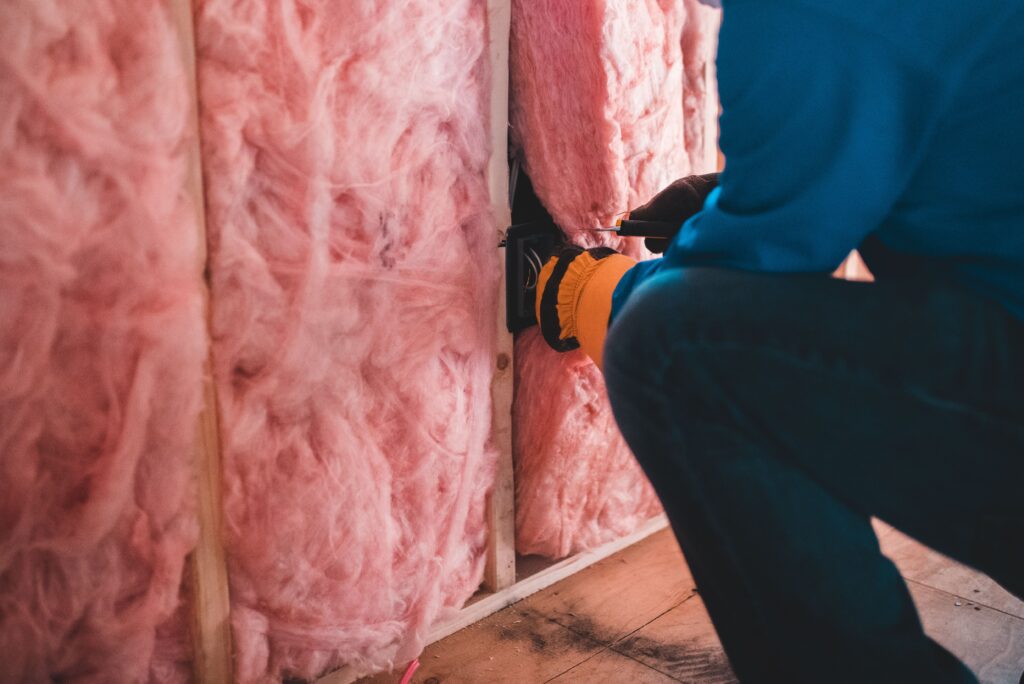
Many homes with finished attics, bonus rooms, or upper-level living spaces have attic knee walls, but these areas are often overlooked when it comes to insulation. Knee walls separate conditioned living spaces from unconditioned attic areas, making them an important part of your home’s thermal barrier. If they are poorly insulated or not properly air sealed, they can allow significant heat transfer, making nearby rooms harder to keep comfortable and forcing your HVAC system to work harder.
Properly insulating attic knee walls involves more than simply placing insulation between the wall studs. Air sealing, insulation support, ventilation, and moisture management all play important roles in helping the insulation perform effectively. In this guide, we’ll explain what attic knee walls are, why they need special attention, the best insulation methods to consider, and how improving knee wall insulation can support better comfort, energy efficiency, and HVAC performance throughout your home.
What Are Attic Knee Walls?
Attic knee walls are short vertical walls often found in homes with finished attic spaces, sloped ceilings, bonus rooms, or rooms built under the roofline. They help create usable living space by separating conditioned rooms from the unfinished attic areas behind them. While they may look like regular interior walls from inside the room, the other side often faces hot, humid, or unconditioned attic air, which makes proper insulation especially important.
Understanding Knee Wall Construction
A knee wall is typically built between the finished living area and the lower portion of the roof structure. It may support part of the roof framing or simply serve as a divider between usable space and attic storage space. These walls are usually shorter than standard walls and are often located beneath sloped ceilings.
Where Knee Walls Are Commonly Found
Knee walls are common in finished attics, bonus rooms, upstairs bedrooms, dormer areas, converted attic spaces, and homes with steep rooflines. They may also be found beside attic storage areas or behind small access doors. Any room that sits next to an unfinished attic cavity may have a knee wall.
Why Knee Walls Border Unconditioned Attic Space
Unlike standard interior walls that separate one conditioned room from another, knee walls often separate living space from unconditioned attic space. This means one side of the wall may be exposed to extreme attic temperatures. In Florida, that attic side can become very hot and humid, increasing heat transfer into the room if the wall is not properly insulated and sealed.
How Knee Walls Differ from Standard Interior Walls
Standard interior walls usually do not need heavy insulation because both sides are inside the conditioned part of the home. Knee walls are different because they act more like exterior walls. They need insulation, air sealing, and sometimes an air barrier to prevent heat, drafts, dust, and humidity from moving between the attic and living space.
Why They Require Special Insulation Attention
Knee walls often have gaps, loose insulation, missing air barriers, or access doors that leak air. Insulation may also sag or fall away from the wall over time if it is not properly supported. Because of this, knee walls require careful insulation and sealing to protect comfort, reduce energy waste, and help the HVAC system maintain consistent indoor temperatures.
Why Insulating Attic Knee Walls Matters
Attic knee walls play an important role in separating conditioned living spaces from the hot, unconditioned attic. If these walls are poorly insulated or not properly air sealed, they can become a major source of heat transfer and energy loss. Properly insulating knee walls helps create a more effective thermal barrier, allowing your HVAC system to maintain comfortable indoor temperatures with less effort.
Reducing Heat Transfer
Knee walls that face unconditioned attic spaces are exposed to extreme temperatures, especially during Florida’s long cooling season. Without adequate insulation, heat can move through the wall and into finished rooms. Proper insulation slows this heat transfer, helping keep conditioned spaces cooler in the summer and more comfortable throughout the year.
Improving Room Comfort
Rooms located next to attic knee walls are often the first to experience uneven temperatures. Bedrooms, bonus rooms, and finished attic spaces may feel noticeably warmer or cooler than the rest of the home. Insulating knee walls helps stabilize indoor temperatures and creates a more comfortable living environment.
Lowering HVAC Workload
When heat enters through poorly insulated knee walls, the HVAC system must run longer to maintain the thermostat setting. By reducing unwanted heat gain, properly insulated knee walls help decrease the system’s workload. This allows the HVAC equipment to operate more efficiently and reduces unnecessary runtime.
Supporting Better Energy Efficiency
A well-insulated knee wall helps reduce the amount of conditioned air needed to keep upper-level rooms comfortable. Combined with proper air sealing, insulation can minimize energy loss and improve the home’s overall efficiency. This can contribute to lower energy consumption and more effective cooling performance.
Preventing Hot or Cold Rooms Near Attic Spaces
Finished rooms located beside unfinished attic areas are especially vulnerable to temperature fluctuations. Poorly insulated knee walls can create persistent hot spots during the summer or cooler areas during colder weather. Improving insulation in these walls helps maintain more consistent temperatures and reduces uncomfortable differences between rooms.
6 Signs Your Knee Walls Need Better Insulation
1. Rooms That Feel Too Hot or Too Cold
If a bonus room, finished attic, upstairs bedroom, or room with sloped ceilings feels much warmer or cooler than the rest of the home, knee wall insulation may be part of the issue. Heat can move through poorly insulated knee walls and make these spaces harder to keep comfortable.
2. High Energy Bills
Rising energy bills can be a sign that conditioned air is being lost or attic heat is entering the living space. When knee walls lack proper insulation, the HVAC system may need to run longer to maintain the thermostat setting, increasing energy use over time.
3. Drafts Near Sloped Ceilings or Upper Rooms
Drafts near sloped ceilings, upper-level rooms, or attic access points may indicate air leakage around knee walls. Insulation alone may not stop these drafts if gaps and cracks are present. Air sealing is often needed before or during insulation improvements.
4. Visible Gaps or Missing Insulation
If you inspect the attic side of a knee wall and see exposed studs, fallen batts, compressed insulation, or gaps between insulation pieces, the wall may not be protected properly. Insulation should fit securely and remain in contact with the wall cavity to perform effectively.
5. HVAC System Running Longer Than Usual
When attic heat enters through poorly insulated knee walls, your HVAC system may work harder and run longer to keep the home comfortable. Longer runtime can increase energy use and add strain to HVAC components, especially during Florida’s long cooling season.
6. Dust or Air Leakage Around Knee Wall Access Doors
Knee wall access doors are common sources of air leakage. If you notice dust, drafts, or temperature changes around these doors, they may need weatherstripping, insulation, or better sealing. Improving the access door can help reduce air movement between the attic and living space.
6 Common Problems with Poorly Insulated Knee Walls
1. Uncomfortable Bonus Rooms or Finished Attics
Bonus rooms and finished attic spaces often feel uncomfortable when knee walls are not properly insulated. These rooms may become too hot during Florida’s cooling season or harder to condition than the rest of the home. Better insulation helps separate the living space from attic temperatures.
2. Heat Gain from Adjacent Attic Spaces
Unconditioned attic spaces can become extremely hot. If knee walls are under-insulated, that heat can move directly into nearby rooms. This can make upper-level spaces feel warmer, even when the AC is running.
3. Air Leakage Through Wall Cavities
Knee walls often have gaps around framing, wiring, plumbing, and access doors. These openings can allow attic air to move into conditioned rooms. Air leakage can bring heat, humidity, dust, and odors into the home while making the HVAC system work harder.
4. Reduced HVAC Efficiency
When heat and air leaks enter through knee walls, the HVAC system must run longer to maintain the desired temperature. This added workload can reduce efficiency, increase energy use, and contribute to more wear on HVAC equipment over time.
5. Moisture and Condensation Concerns
Poorly sealed knee walls can allow humid attic air to reach cooler indoor surfaces. This may create moisture concerns, musty odors, or condensation in certain conditions. Proper air sealing, insulation, and ventilation help reduce these risks.
6. Insulation Falling Away from Wall Cavities
Fiberglass batts and other insulation materials can sag, shift, or fall away from knee wall cavities if they are not properly supported. Once insulation loses contact with the wall, it cannot perform as intended. Securing insulation and adding an air barrier can help maintain long-term performance.
Inspecting Attic Knee Walls Before Insulation
Before upgrading knee wall insulation, it is important to inspect the existing conditions behind the finished walls. A thorough inspection can reveal insulation deficiencies, air leaks, moisture concerns, or pest damage that should be addressed before new insulation is installed. Taking time to evaluate these areas helps ensure the insulation upgrade delivers lasting comfort and energy savings.
Checking Existing Insulation Condition
Start by examining the insulation already installed in the knee wall cavities. Look for insulation that is dirty, damaged, compressed, sagging, or pulling away from the wall. Older insulation may also have settled over time, reducing its ability to resist heat transfer. Understanding its condition helps determine whether it can remain in place or should be replaced.
Looking for Gaps, Compression, or Missing Areas
Even if insulation is present, it may not provide complete coverage. Gaps between insulation batts, compressed sections, exposed framing, or areas with no insulation at all can allow significant heat transfer. These problem spots should be corrected before additional insulation is installed to create a more continuous thermal barrier.
Inspecting Knee Wall Access Doors
Access doors leading into knee wall attic spaces are often overlooked during insulation projects. Check whether the door is insulated and whether it seals tightly when closed. Gaps around the edges can allow hot attic air, humidity, and dust to enter the living space. Weatherstripping and insulation may be needed to improve its performance.
Identifying Air Leaks and Bypasses
Air leaks can occur around wiring, plumbing penetrations, framing joints, electrical boxes, and the top and bottom plates of the knee wall. These openings allow attic air to bypass the insulation and enter conditioned rooms. Identifying and sealing these leaks before insulating helps improve comfort and energy efficiency.
Checking for Moisture, Mold, or Pest Damage
Before installing new insulation, inspect the knee wall area for signs of roof leaks, condensation, mold, mildew, pest droppings, nesting materials, or damaged wood. Moisture and pest problems should be resolved before adding insulation to prevent future damage and help maintain healthy indoor air quality. A clean, dry, and pest-free space provides the best foundation for a successful insulation upgrade.
Air Sealing Before Insulating Knee Walls
Air sealing should be completed before insulating attic knee walls because insulation alone does not always stop air movement. If gaps, cracks, and bypasses remain open, hot attic air can still move into conditioned rooms while cooled indoor air escapes. Sealing these openings first helps the insulation work more effectively and supports better comfort, efficiency, and indoor air quality.
Why Air Sealing Comes First
Air sealing comes first because leaks are much harder to access once insulation is installed. Even high-quality insulation can underperform if attic air is able to move around or through it. By sealing gaps before adding insulation, homeowners can create a stronger barrier between the living space and the unconditioned attic.
Sealing Wall Cavities and Top Plates
Knee wall cavities and top plates are common areas where air leakage occurs. Gaps along framing, wall tops, and floor connections can allow attic air to bypass insulation. Sealing these areas helps reduce drafts, heat gain, and energy loss, especially in rooms next to attic spaces.
Sealing Around Knee Wall Access Doors
Knee wall access doors often leak air around the edges. Adding weatherstripping, sealing gaps, and insulating the door can help prevent hot attic air, dust, and humidity from entering the living space. A tight-fitting access door is an important part of a complete knee wall insulation plan.
Addressing Electrical and Plumbing Penetrations
Electrical wiring, plumbing lines, and other utility openings can leave small gaps through the knee wall. These penetrations should be sealed with appropriate materials before insulation is added. Even small openings can add up to noticeable air leakage and comfort problems.
Reducing Air Movement Between Attic and Living Space
The goal of air sealing is to separate the conditioned living area from the unconditioned attic as much as possible. Reducing air movement helps keep rooms more comfortable, limits dust and humidity transfer, and allows the HVAC system to maintain temperatures with less effort.
How to Insulate Knee Walls Properly
Properly insulating attic knee walls involves more than placing insulation between the wall studs. To achieve the best results, the insulation should be installed correctly, supported so it stays in place, combined with effective air sealing, and protected with an air barrier when appropriate. These steps help create a continuous thermal boundary between the conditioned living space and the unconditioned attic.
Installing Insulation Against the Knee Wall
Insulation should fit snugly within the knee wall framing without leaving gaps or being compressed. The material should completely fill the wall cavity so it can effectively resist heat transfer. Careful installation around corners, framing members, and other obstacles helps provide more consistent thermal protection.
Securing Insulation So It Does Not Sag or Fall
Fiberglass batt insulation can lose effectiveness if it sags or falls away from the wall over time. Insulation supports, wire stays, strapping, or other approved fastening methods can help keep the insulation firmly in place. Proper support helps maintain full coverage and long-term performance.
Adding an Air Barrier Behind the Insulation
An air barrier installed on the attic side of the knee wall helps prevent moving attic air from passing through or around the insulation. Materials such as rigid foam board or other approved air barrier systems can help reduce wind washing and improve the overall effectiveness of the insulation. When combined with air sealing, an air barrier creates a more complete thermal envelope.
Insulating Knee Wall Access Doors
Access doors leading into knee wall attic spaces should also be insulated. A door without insulation or weatherstripping can become a major source of heat transfer and air leakage. Adding insulation to the door and sealing its edges helps maintain the continuity of the insulated wall and improves overall energy efficiency.
Sealing Gaps Around Framing and Fixtures
Before the insulation project is completed, gaps around framing, electrical boxes, plumbing lines, wiring penetrations, and other fixtures should be sealed. These openings can allow conditioned air to escape and hot attic air to enter the home. Addressing these areas helps the insulation perform more effectively and supports better comfort, energy efficiency, and HVAC performance.
Insulating Knee Wall Access Doors
Knee wall access doors are often small, easy to overlook, and poorly sealed, but they can have a major impact on comfort and energy efficiency. Since these doors separate conditioned rooms from hot, unconditioned attic spaces, they should be treated like part of the home’s thermal boundary. Proper insulation and sealing can help reduce drafts, heat gain, dust, and humidity entering the living space.
Why Access Doors Are Common Leak Points
Access doors often have gaps around the frame, thin panels, and little to no insulation. Even when the knee wall itself is insulated, an unsealed access door can allow attic air to move into the room. This can make nearby spaces feel warmer, draftier, or dustier than the rest of the home.
Adding Weatherstripping
Weatherstripping around the door frame helps create a tighter seal when the access door is closed. This reduces air leakage and helps keep attic heat and humidity from entering the living area. For best results, the weatherstripping should fit snugly without making the door difficult to open or close.
Installing Rigid Foam or Batt Insulation
The back side of the access door should be insulated with rigid foam board, batt insulation, or another appropriate material. Rigid foam is often a good option because it is lightweight, easy to attach, and adds thermal resistance without taking up too much space. The insulation should be secured firmly so it does not fall off or interfere with the door’s operation.
Sealing Door Edges and Latches
Door edges, corners, and latch areas should be checked for gaps. A secure latch helps pull the door tightly against the weatherstripping, improving the seal. If the latch is loose or the door does not sit flush, attic air may still leak through even after insulation is added.
Maintaining Access for Future Service
While the access door should be insulated and sealed, it should still remain usable. Homeowners or technicians may need to enter the knee wall attic space for inspections, wiring, ductwork, pest checks, or future insulation work. The goal is to create a tight, insulated door that improves efficiency without blocking safe and practical access.
Knee Wall Insulation and HVAC Performance
Knee wall insulation can have a direct impact on how well your HVAC system maintains comfort, especially in finished attics, bonus rooms, and upper-level spaces. When knee walls are poorly insulated or not properly air sealed, heat from the attic can move into conditioned rooms and make the HVAC system work harder. Improving these areas helps create a stronger thermal barrier and supports more efficient heating and cooling performance.
Reducing Heat Gain into Finished Spaces
Finished spaces next to attic knee walls are often exposed to intense attic heat. Proper insulation helps reduce heat gain through the wall, keeping those rooms cooler and more comfortable. This is especially important in Florida homes, where attic temperatures can rise quickly during long cooling seasons.
Helping HVAC Systems Maintain Set Temperatures
When knee walls are insulated and sealed correctly, the HVAC system has an easier time maintaining the thermostat setting. Less heat enters from the attic, which means conditioned air stays effective longer. This can help reduce temperature swings and improve overall system performance.
Improving Comfort in Upper Floors
Upper floors, bonus rooms, and finished attic spaces are often harder to cool because they are closer to the roof and attic. Better knee wall insulation helps reduce the impact of attic heat on these rooms. As a result, upstairs spaces can feel more consistent and comfortable throughout the day.
Reducing Runtime and Energy Waste
Poor knee wall insulation can force the HVAC system to run longer to overcome unwanted heat transfer. By improving insulation and air sealing, homeowners can reduce unnecessary runtime and limit energy waste. This can also help reduce strain on HVAC components over time.
Supporting Better Humidity Control
In humid climates, air leaks around knee walls can allow warm, moist attic air to enter conditioned spaces. This can make rooms feel sticky or uncomfortable, even when the temperature looks right. Proper insulation and air sealing help reduce humidity movement, supporting better indoor comfort and HVAC performance.
6 Common Mistakes to Avoid When Insulating Knee Walls
1. Installing Insulation Without an Air Barrier
Insulation needs support on the attic side of the knee wall. Without an air barrier, attic air can move through or behind the insulation, reducing its effectiveness. Adding an air barrier, such as rigid foam board or another approved material, helps protect the insulation and create a more continuous thermal boundary.
2. Leaving Gaps Around Access Doors
Knee wall access doors are common sources of air leakage. If the door is not insulated, weatherstripped, and sealed properly, hot attic air can enter the living space. Even small gaps around the frame or latch can affect comfort and efficiency.
3. Compressing Fiberglass Batts
Fiberglass batts should fit snugly without being crushed. Compressing the material reduces its insulating value and can leave parts of the wall less protected. Proper installation keeps the batt at full thickness so it can resist heat transfer as intended.
4. Blocking Ventilation Pathways
Knee wall insulation should not block soffit vents, baffles, or roof ventilation paths. Proper airflow helps control attic heat and moisture. Blocking ventilation can create moisture problems and reduce the performance of both the insulation and the roof system.
5. Ignoring Air Leaks Behind the Wall
Air leaks around framing, wiring, plumbing, and wall cavities should be sealed before insulation is installed. If these leaks are ignored, attic air can bypass the insulation and move into the home. Air sealing is essential for improving comfort, reducing drafts, and supporting HVAC efficiency.
6. Choosing the Wrong Insulation Material
Not every insulation material is ideal for every knee wall setup. The right choice depends on the wall structure, attic access, moisture conditions, ventilation, and desired R-value. Choosing the wrong material or installing it incorrectly can lead to poor coverage, sagging, trapped moisture, or reduced long-term performance.
Florida Considerations for Attic Knee Walls
Attic knee walls need special attention in Florida because they often sit next to extremely hot and humid attic spaces. Without proper insulation and air sealing, heat and moisture can move into finished rooms, making the home harder to cool and less comfortable. For Florida homeowners, knee wall insulation should be planned with long cooling seasons, humidity control, and HVAC efficiency in mind.
Heat Gain During Long Cooling Seasons
Florida’s cooling season is long, which means attic spaces can stay hot for much of the year. Knee walls that border these attic areas can transfer heat into bedrooms, bonus rooms, and finished attic spaces. Proper insulation helps reduce heat gain and keeps these areas more comfortable during peak cooling months.
Humidity Control Challenges
Humidity can make rooms feel warmer and stickier, even when the thermostat is set correctly. Air leaks around knee walls, access doors, wiring, or framing can allow humid attic air to enter conditioned spaces. Air sealing and proper insulation help reduce unwanted moisture movement and support better indoor comfort.
Finished Attic and Bonus Room Comfort
Finished attics and bonus rooms are often harder to cool because they are close to the roofline and surrounded by attic space. Poorly insulated knee walls can make these rooms feel noticeably hotter than the rest of the home. Improving knee wall insulation helps create a stronger barrier between living areas and attic heat.
Protecting Insulation from Moisture
Moisture can damage insulation and reduce its effectiveness. Before insulating knee walls, homeowners should check for roof leaks, condensation, mold, pest activity, or ventilation problems. Keeping the area dry helps protect the insulation and supports better long-term performance.
Supporting Efficient Cooling Performance
When knee walls are properly insulated and sealed, the HVAC system does not have to work as hard to maintain comfortable temperatures. This can help reduce unnecessary runtime, improve cooling consistency, and support better energy efficiency throughout the home.
How Pino’s Air Can Help with Attic Knee Wall Insulation
Pino’s Air Conditioning and Heating helps homeowners improve comfort, efficiency, and HVAC performance by identifying insulation issues in attic knee wall areas. Since knee walls often separate finished rooms from hot, humid attic spaces, our team can evaluate how insulation, air sealing, ventilation, and HVAC performance are working together.
Knee Wall Insulation Evaluations
Pino’s Air can inspect attic knee walls to check for missing insulation, compressed batts, gaps, sagging material, air leaks, and poorly sealed access doors. This helps determine whether your knee walls need insulation repairs, replacement, or additional air sealing.
Air Sealing Recommendations
Air sealing is a key part of effective knee wall insulation. Pino’s Air can identify common leak points around framing, wall cavities, access doors, wiring, and plumbing penetrations. Sealing these areas helps reduce drafts, heat gain, humidity movement, and energy waste.
Insulation Upgrade Guidance
Not every knee wall needs the same insulation solution. Pino’s Air can recommend options based on your home’s layout, attic access, existing insulation condition, and comfort concerns. The right approach can help create a more complete thermal boundary between living spaces and unconditioned attic areas.
HVAC Comfort Assessments
If rooms near knee walls feel too hot, too cold, or difficult to condition, the issue may involve both insulation and HVAC performance. Pino’s Air can evaluate airflow, system runtime, ductwork, thermostat settings, and overall comfort to determine what improvements may be needed.
Humidity and Indoor Air Quality Support
Poorly sealed knee walls can allow humid attic air, dust, and odors to enter living spaces. Pino’s Air can recommend solutions that support better humidity control and indoor air quality, including air sealing, insulation improvements, ventilation checks, and AC maintenance in Sarasota.
Whole-Home Efficiency Solutions
Knee wall insulation is one part of whole-home comfort. Pino’s Air can help homeowners address insulation, HVAC performance, ductwork, air sealing, humidity control, and indoor air quality together. This approach helps improve comfort, reduce energy waste, and support more efficient cooling throughout the home.
FAQs About Insulating Attic Knee Walls
The best insulation depends on the knee wall layout, attic access, moisture conditions, and desired R-value. Fiberglass batts, rigid foam board, and spray foam may all be used in different situations. The key is choosing insulation that fits securely, stays in place, and is supported by proper air sealing.
Yes, knee walls should be air sealed before insulation is installed. Air sealing helps close gaps around framing, wiring, plumbing, access doors, and wall cavities. Without air sealing, attic air can bypass the insulation and reduce its effectiveness.
Rooms near knee walls often feel hot because the wall borders an unconditioned attic space. If the knee wall is under-insulated, poorly sealed, or missing an air barrier, attic heat can move into the room and make it harder for the HVAC system to maintain comfort.
Yes, knee wall access doors should be insulated and weatherstripped. These doors are common air leak points, allowing hot attic air, dust, and humidity to enter living spaces. Insulating and sealing the door helps maintain a stronger thermal boundary.
Yes, poor knee wall insulation can increase energy bills by allowing heat transfer and air leakage between the attic and conditioned rooms. This forces the HVAC system to run longer, especially during Florida’s long cooling season.
Yes, knee wall attic spaces often need proper ventilation to help manage heat and moisture. However, ventilation should be balanced with air sealing and insulation so attic air does not move into the living space.
Strong Knee Walls Make for Stronger Comfort!
Attic knee walls can have a big impact on comfort, energy efficiency, and HVAC performance, especially in rooms next to hot or unconditioned attic spaces. With proper insulation, air sealing, access door sealing, ventilation, and moisture control, homeowners can reduce heat transfer, limit drafts, improve upper-room comfort, and help the HVAC system work more efficiently.
If you’re dealing with hot bonus rooms, uneven temperatures, or attic-related comfort issues, we’re here to help. At Pino’s Air Conditioning and Heating as a reliable HVAC contractor in Sarasota, we can evaluate your attic knee walls, identify insulation and air leakage problems, and recommend the right comfort solutions for your home. We also offer AC installation in Sarasota, AC replacement in Sarasota, air conditioning repair in Sarasota, and indoor air quality in Sarasota. Call us today at 941-564-9070 or contact us to schedule your attic insulation in Sarasota.