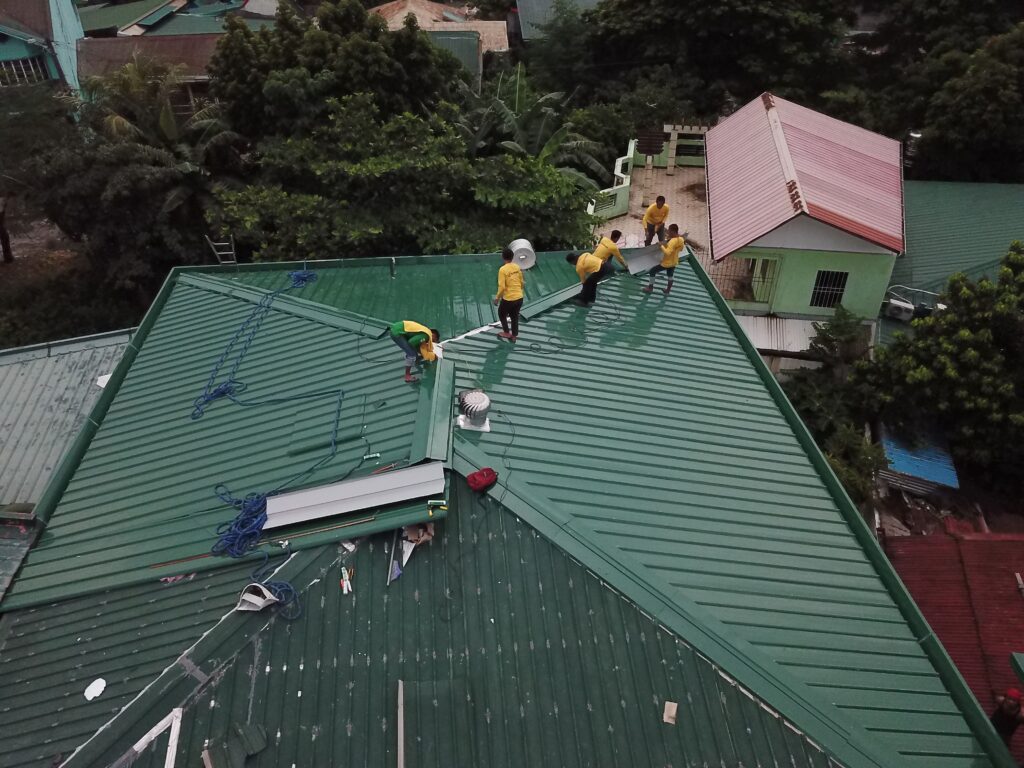
Metal roofs have become an increasingly popular choice for homeowners because of their durability, longevity, and ability to reflect a portion of the sun’s radiant heat. While these roofing systems offer several energy-related benefits, a common misconception is that a metal roof alone is enough to keep a home comfortable year-round. In reality, metal is a highly conductive material, meaning it can still transfer heat into the attic without the right insulation and ventilation system in place.
Proper attic insulation plays an important role in helping metal roof homes maintain more consistent indoor temperatures, support HVAC efficiency, and reduce unwanted heat transfer. When paired with effective air sealing and attic ventilation, insulation becomes part of a complete roofing system that helps protect comfort and energy performance throughout Florida’s hot and humid climate. This guide explains how attic insulation works with metal roofs, the best insulation options available, and what homeowners should consider when improving their home’s overall efficiency.
Why Metal Roof Homes Still Need Attic Insulation
Metal roofing can help reduce solar heat gain, but it does not replace the need for a properly insulated attic. The roof, attic ventilation, air sealing, and insulation should work together to manage heat and moisture throughout the home. Without adequate attic insulation, heat can still move through the roof assembly and affect the rooms below, especially during Florida’s long cooling season.
Metal Roofs Reflect Heat but Also Transfer It
Many metal roofing systems are designed to reflect a portion of the sun’s radiant energy, particularly when they have reflective coatings or lighter-colored finishes. This can help reduce the amount of solar heat absorbed by the roof surface. However, metal also has high thermal conductivity, which means it can transfer heat quickly once it becomes warm. Reflecting sunlight and resisting heat transfer are not the same function. The roofing material helps manage solar exposure, while attic insulation provides thermal resistance that slows heat from moving farther into the home.
The Role of Attic Insulation Beneath a Metal Roof
Attic insulation creates a thermal barrier between the hot roof assembly and the conditioned living space below. By slowing heat movement, it can help reduce the amount of warmth entering ceilings and interior rooms during hot weather. This may support more consistent indoor temperatures and reduce how often the air conditioner needs to run to maintain the thermostat setting. Proper insulation can also help limit heat loss during cooler periods. Its performance depends on the material, installed depth, R-value, condition, and whether gaps or compressed areas are present.
Understanding the Complete Roofing System
A metal roof performs best when it is part of a complete attic and roofing system. The roofing material helps protect the structure and manage weather exposure, while ventilation allows heat and moisture to move out of a traditionally vented attic. Air sealing helps reduce conditioned air leakage through ceiling penetrations, and insulation slows heat transfer between the attic and living areas. Focusing on insulation alone may leave other problems unaddressed, such as blocked vents, leaking ducts, moisture intrusion, or unsealed openings. Evaluating the entire system helps homeowners make improvements that work together rather than relying on a single product.
4 Types of Attic Insulation for Metal Roof Homes
1. Blown-In Fiberglass Insulation
Blown-in fiberglass is a loose-fill material distributed across the attic floor with specialized equipment. It can provide even coverage around joists, wiring, ductwork, and other irregular features that make batt installation more difficult. This option is often well suited to vented attics in existing homes, especially when the goal is to improve insulation depth without changing the roof assembly. Homeowners should consider the target R-value, required installation depth, and condition of the existing material. Air sealing and ventilation corrections should generally be completed before the fiberglass is added.
2. Blown-In Cellulose Insulation
Blown-in cellulose is commonly made from treated recycled paper fibers and can settle into small gaps and uneven areas across the attic floor. Its coverage characteristics make it useful for older homes or attics with complicated framing where pre-cut batts may leave open spaces. Cellulose can support consistent thermal resistance when installed at the proper density and depth. However, moisture concerns should be addressed before installation because prolonged dampness can cause the material to clump, settle unevenly, or lose effectiveness. Roof leaks, condensation, and poor ventilation should be corrected first.
3. Fiberglass Batt Insulation
Fiberglass batts are pre-cut rolls or panels commonly installed between attic floor joists, ceiling framing, or roof rafters, depending on the attic design. They can be a practical option in open, regularly framed spaces where each section can be fitted closely without compression. Batts are widely available and allow specific areas to be accessed or replaced when needed. Their main limitation is that irregular framing, pipes, wiring, and ductwork can make it difficult to achieve continuous coverage. Poorly cut or compressed batts may leave gaps that allow heat to bypass the insulation.
4. Spray Foam Insulation
Spray foam may be installed along the underside of the roof deck or in other parts of the attic assembly to provide thermal resistance and air sealing. Open-cell foam is lighter and generally less dense, while closed-cell foam provides a higher R-value per inch and greater resistance to moisture movement. Both options require trained installers, specialized equipment, and careful planning around ventilation, roof design, combustion appliances, and HVAC equipment. Spray foam typically involves a higher upfront investment than blown-in materials, but it may be considered when the project includes converting the attic into a conditioned or unvented space.
5 Benefits of Proper Attic Insulation Under a Metal Roof
1. Improved Indoor Comfort
Proper attic insulation helps slow the movement of heat from the roof and attic into the living areas below. This can contribute to more consistent indoor temperatures throughout the home, particularly in rooms directly beneath the attic. Homes with insufficient or uneven insulation may experience hot spots, especially on upper floors or in rooms with significant afternoon sun exposure. By creating a more effective thermal barrier, attic insulation can help reduce temperature fluctuations and improve overall comfort during Florida’s extended cooling season.
2. Better Energy Efficiency
When less heat enters the living space, the air conditioning system may not need to operate as frequently or for as long to maintain the desired indoor temperature. Proper attic insulation supports the HVAC system by reducing unnecessary cooling demand, which may contribute to more efficient operation over time. Energy performance depends on several factors, including insulation quality, air sealing, duct condition, thermostat settings, and equipment efficiency. Insulation works best as one part of a complete home energy strategy rather than as a standalone upgrade.
3. Reduced Heat Transfer
One of attic insulation’s primary functions is to resist heat transfer between the roof assembly and the conditioned areas of the home. Although metal roofs can reflect a portion of solar radiation, the roof panels themselves can still become very hot during sunny weather. Insulation helps slow the transfer of this accumulated heat through the attic floor or roof assembly, depending on the home’s design. Limiting heat movement helps reduce the amount of warmth that reaches ceilings and interior living spaces throughout the day.
4. Moisture and Condensation Management
Proper attic insulation also supports moisture management by working alongside a well-designed ventilation system. In vented attics, ventilation helps remove excess heat and moisture, while insulation helps maintain the thermal separation between the attic and conditioned living areas. Together, these systems may reduce the likelihood of condensation forming when warm, humid air comes into contact with cooler building surfaces. Moisture control is especially important in Florida’s humid climate, where prolonged dampness can affect insulation performance and contribute to building material deterioration if left unaddressed.
5. Reduced HVAC Wear
Because attic insulation helps reduce unwanted heat entering the home, the HVAC system may experience less overall demand during periods of heavy cooling. Fewer or shorter cooling cycles can reduce the amount of daily runtime, particularly during the hottest months of the year. While insulation alone cannot prevent equipment wear, it may support long-term HVAC performance when combined with regular maintenance, properly sealed ductwork, and appropriate system sizing. This comprehensive approach helps create a more efficient and balanced home comfort system.
5 Common Problems Without Proper Attic Insulation
1. Excessive Attic Heat
Without adequate insulation, attic temperatures can rise significantly during sunny days, particularly in Florida’s hot and humid climate. Although many metal roofs are designed to reflect a portion of solar radiation, the roof panels can still become very warm and transfer heat into the attic space. This heat may build up throughout the day, creating an extremely hot attic environment that affects nearby ductwork, insulation, and ceiling surfaces. Proper insulation helps slow the movement of this heat toward the living areas below.
2. Higher Cooling Costs
When more heat enters the home through the attic, the air conditioning system typically works harder to maintain the thermostat setting. Longer cooling cycles and increased system runtime may lead to higher energy consumption, especially during the summer months. While utility costs depend on many factors, including HVAC efficiency, thermostat settings, and air leakage, insufficient attic insulation can contribute to unnecessary cooling demand. Improving insulation may help reduce the amount of heat entering the conditioned space and support more efficient operation.
3. Uneven Indoor Temperatures
Homes with inadequate attic insulation often experience inconsistent temperatures between rooms or floors. Areas directly beneath the attic may feel noticeably warmer than other parts of the home, particularly during the afternoon when roof temperatures are at their highest. Some homeowners compensate by lowering the thermostat, but this may cool other rooms more than necessary while the hot spots remain. Proper attic insulation helps create a more even thermal barrier, contributing to more consistent temperatures throughout the house.
4. Condensation and Moisture Concerns
Insulation and ventilation work together to help manage heat and moisture in the attic. When insulation is missing, damaged, or improperly installed, temperature differences between attic surfaces and humid air may increase the likelihood of condensation under certain conditions. Moisture can also become trapped if ventilation pathways are blocked or inadequate. Over time, excess moisture may affect insulation performance and contribute to damage to wood framing or other building materials. Addressing both insulation and ventilation helps create a healthier attic environment.
5. Increased HVAC Workload
An under-insulated attic can place additional demand on the home’s heating and cooling equipment. As heat moves more easily into the living space, the HVAC system may cycle more frequently or run for longer periods to maintain comfortable indoor conditions. Although insulation alone cannot resolve every efficiency issue, reducing unwanted heat transfer can help decrease unnecessary system workload. Combined with regular maintenance, sealed ductwork, and proper airflow, quality attic insulation supports long-term HVAC performance and overall home comfort.
5 Signs Your Metal Roof Home May Need More Attic Insulation
1. High Summer Cooling Bills
An increase in cooling costs during Florida’s hottest months can sometimes point to insufficient attic insulation. When heat moves more easily from the attic into the living areas, the air conditioning system may need to operate longer to maintain the desired indoor temperature. While higher utility bills can also result from aging HVAC equipment, air leaks, or changes in energy rates, an attic with inadequate insulation may contribute to increased cooling demand. A professional inspection can help determine whether insulation is part of the issue.
2. Rooms That Stay Hot
If certain rooms consistently feel warmer than the rest of the home, particularly those directly beneath the roof, the attic insulation may no longer be providing adequate thermal protection. Hot spots often develop in bedrooms, bonus rooms, or upper-level spaces that receive significant afternoon sun exposure. Adding insulation where coverage is thin or uneven may help reduce heat transfer and improve temperature consistency throughout these areas.
3. Uneven Temperatures Between Floors
Multi-story homes sometimes experience noticeable temperature differences between the upper and lower floors. Although airflow, duct design, and thermostat placement can all influence comfort, insufficient attic insulation may allow additional heat to enter the upper level. This can make it more difficult to maintain consistent temperatures throughout the home. Evaluating both the attic insulation and HVAC system can help identify the factors contributing to uneven comfort.
4. Older or Settled Insulation
Attic insulation can lose effectiveness as it settles, becomes compressed, or is disturbed during maintenance or remodeling projects. In older homes, the insulation depth may no longer meet current recommendations, or gaps may have developed over time. Moisture, pest activity, and repeated foot traffic can also affect performance. If the insulation appears uneven, flattened, or significantly below the top of the ceiling joists, it may be time to have the attic professionally assessed.
5. Frequent HVAC Operation
An air conditioner that seems to run almost continuously during warm weather may be responding to excessive heat entering the home. While frequent HVAC operation can have several causes, including equipment sizing or thermostat settings, insufficient attic insulation is another possibility. By reducing heat transfer through the attic, proper insulation may help decrease unnecessary system runtime and support more efficient cooling. A comprehensive attic inspection can determine whether additional insulation, air sealing, or ventilation improvements are recommended.
Factors That Affect the Cost of Attic Insulation for Metal Roof Homes
The cost of insulating a metal roof home depends on more than the type of insulation selected. Every attic has unique characteristics that influence the amount of material, labor, and preparation required. Factors such as attic size, existing insulation, ventilation, accessibility, and the condition of the space all contribute to the final estimate. A professional inspection allows contractors to evaluate these variables and recommend the most appropriate solution for the home.
Attic Size
The overall size of the attic is one of the primary factors affecting project cost because it determines how much insulation is needed to achieve the desired R-value. Larger attics require more material and typically involve longer installation times. However, square footage alone does not determine the final price. An attic with multiple roof sections, storage platforms, or complex framing may require additional labor compared to a similarly sized open attic with fewer obstacles.
Insulation Material
Different insulation materials vary in both material cost and installation requirements. Blown-in fiberglass, blown-in cellulose, fiberglass batts, and spray foam each have different price ranges, installation methods, and thermal performance characteristics. Spray foam generally involves a higher upfront investment because it requires specialized equipment and trained installers, while blown-in and batt insulation are often more economical for many vented attic applications. The most suitable material depends on the attic design, project goals, moisture conditions, and desired level of thermal performance.
Existing Attic Conditions
The condition of the attic before installation can significantly influence the total project cost. Wet, mold-affected, pest-contaminated, or severely compressed insulation may need to be removed before new material is installed. Contractors may also recommend addressing roof leaks, damaged ductwork, or structural concerns before proceeding with the insulation project. These preparation steps help protect the new insulation and support long-term performance, but they can add labor and material costs to the overall estimate.
Air Sealing and Ventilation Improvements
Many insulation projects include recommendations for air sealing or ventilation improvements to maximize performance. Sealing gaps around plumbing penetrations, electrical wiring, recessed lighting, and attic access points helps reduce conditioned air loss from the living space. Likewise, improving soffit vents, ridge vents, or attic baffles helps maintain proper airflow in vented attic systems. Although these upgrades increase the initial project cost, they help create an attic environment where the insulation can perform more effectively.
Labor and Accessibility
Labor costs vary depending on how easily installers can access and work within the attic. Low roof pitches, narrow attic openings, limited crawl space, extensive ductwork, HVAC equipment, or structural obstacles can make installation more time-consuming. Homes with complicated layouts may also require additional preparation or specialized equipment to achieve complete insulation coverage. Because every attic presents different challenges, accessibility is an important factor that contractors consider when preparing an accurate project estimate.
Choosing the Right Attic Insulation Contractor
Selecting the right contractor is an important part of any attic insulation project, especially in a home with a metal roof. The contractor should understand how roofing materials, attic ventilation, air sealing, moisture control, and insulation work together. A qualified professional can help identify the actual causes of comfort or efficiency concerns and recommend improvements based on the home’s design rather than relying on a one-size-fits-all approach.
Experience With Metal Roof Homes
A contractor with experience working on metal roof homes is more likely to understand the unique heat-transfer and condensation concerns associated with these systems. Metal roofing can reflect solar energy, but it can also conduct heat quickly, so the attic assembly must be evaluated carefully. The contractor should understand the differences between vented and unvented attics, roof-deck insulation, attic-floor insulation, and the ventilation requirements that may apply. This experience helps reduce the likelihood of recommending an insulation approach that conflicts with the roof design.
Proper Attic Evaluation
A thorough attic evaluation should take place before any insulation is installed. The contractor should inspect the existing insulation depth and condition, look for moisture or pest damage, identify air leaks, check ventilation pathways, and assess ductwork and access limitations. In metal roof homes, it is also important to look for signs of condensation or improper airflow near the roof deck. A detailed inspection allows the contractor to develop a project scope based on the attic’s actual needs and provide a more accurate estimate.
Material Recommendations
The contractor should be able to explain why a particular insulation material is suitable for the home. Blown-in fiberglass, cellulose, batts, and spray foam each have different applications, costs, and installation requirements. The recommendation should consider the attic design, target R-value, moisture conditions, ventilation strategy, budget, and whether the existing insulation can remain in place. Homeowners should be cautious of contractors who promote one material for every project without first evaluating the attic and roofing system.
Installation Quality Matters
Even high-quality insulation can underperform when it is installed unevenly, compressed, or placed over unresolved attic problems. Proper installation includes reaching the correct depth and density, maintaining ventilation pathways, sealing air leaks where appropriate, and protecting electrical and mechanical components. Contractors should also avoid blocking soffit vents or leaving gaps around framing, ducts, and other obstructions. Careful workmanship helps the insulation provide more consistent thermal resistance and supports long-term comfort, energy performance, and attic durability.
Why Choose Pino’s Air Conditioning & Heating for Attic Insulation?
Choosing the right insulation contractor means working with a team that understands how Florida’s climate affects your home’s comfort and energy performance. At Pino’s Air Conditioning & Heating, we take a whole-attic approach by evaluating insulation, ventilation, air sealing, and HVAC performance together. Rather than recommending a one-size-fits-all solution, we tailor our recommendations to your home’s construction, existing attic conditions, and long-term comfort goals.
Local Experience With Florida Homes
Florida homes face unique challenges, including intense summer heat, high humidity, and extended cooling seasons. Our team understands how these conditions affect attic temperatures, HVAC systems, and overall energy efficiency. We evaluate each attic with Florida’s climate in mind, helping homeowners identify insulation, ventilation, and airflow improvements that support year-round comfort while addressing the specific demands placed on homes in our region.
Customized Insulation Recommendations
Every home is different, which is why we begin with a thorough attic assessment before recommending any insulation solution. We evaluate factors such as the existing insulation, attic layout, roof design, ventilation, moisture concerns, and target R-value. Whether blown-in fiberglass, cellulose, fiberglass batts, or spray foam is the most appropriate option, we explain the advantages of each so you can make an informed decision based on your home’s needs and budget.
Professional Installation
Quality installation is just as important as selecting the right insulation material. Our team follows proven installation practices to help ensure proper coverage, maintain ventilation pathways, and address attic conditions that could reduce insulation performance. We pay close attention to details such as insulation depth, even distribution, and attic preparation because these factors contribute to the effectiveness of the finished project.
Improving Comfort and HVAC Efficiency
Our goal is to help homeowners create a more comfortable and energy-efficient home by improving the performance of the entire attic system. Properly installed insulation can help reduce unwanted heat transfer, support more consistent indoor temperatures, and reduce unnecessary demand on the HVAC system. By combining insulation improvements with professional attic evaluations, we help homeowners make upgrades that support long-term comfort, HVAC efficiency, and overall home performance.
FAQs About Attic Insulation for Metal Roof Homes
The best insulation depends on the home’s attic design, ventilation strategy, existing conditions, and budget. Blown-in fiberglass and cellulose are commonly used on attic floors in vented attic systems because they can provide broad, even coverage. Fiberglass batts may also work well when they are properly fitted between framing members. Spray foam is often considered for roof-deck applications or conditioned attics because it can provide both insulation and air-sealing benefits. A professional attic evaluation can help determine which material is most appropriate for the home.
Spray foam is not automatically better than blown-in insulation. Each option serves different purposes. Spray foam may be suitable for homes that need roof-deck insulation, stronger air sealing, or a conditioned attic design. Blown-in insulation is often a practical and cost-effective choice for vented attics where the insulation is installed along the attic floor. The right option depends on moisture conditions, ventilation, duct placement, project goals, and the existing roof assembly. Installation quality is also important because either material can underperform when installed incorrectly.
Metal roofs do not necessarily cause condensation, but moisture can develop when warm, humid air contacts a cooler metal surface. This may occur when indoor air leaks into the attic, attic ventilation is inadequate, or insulation is improperly installed. Florida’s humid climate can make moisture control especially important. Proper air sealing, insulation, ventilation, and roof underlayment can work together to help reduce condensation concerns. Any visible moisture, staining, or damp insulation should be inspected before additional insulation is installed.
Attic insulation does not always need to be replaced during a metal roof installation. If the existing insulation is dry, evenly distributed, uncontaminated, and still provides the recommended thermal resistance, it may remain in place. Replacement or additional insulation may be recommended when the material is wet, compressed, pest-damaged, mold-affected, or below the desired R-value. A roof replacement can be a convenient time to evaluate the entire attic system and address insulation, ventilation, and air-sealing issues that may affect long-term performance.
Yes, attic ventilation remains important in many metal roof homes, particularly those with traditional vented attic designs. Proper airflow through soffit, ridge, or other approved vents helps release accumulated heat and moisture from the attic. Insulation should be installed without blocking these ventilation pathways. Some homes use unvented or conditioned attic systems, which require a different insulation approach. Because ventilation requirements depend on the roof and attic design, homeowners should work with a qualified professional before making significant changes.
Attic insulation can remain effective for many years when it stays dry, clean, and undisturbed. Its usable lifespan depends on the material, installation quality, attic conditions, moisture exposure, pest activity, and whether the insulation becomes compressed or displaced. The metal roof itself does not typically shorten insulation life, but unresolved condensation or roof leaks can damage the material. Periodic attic inspections can help identify settled areas, moisture problems, contamination, or gaps that may require repairs or additional insulation.
Your Metal Roof Deserves a Solid Backup Plan!
Proper attic insulation can help a metal roof home maintain more consistent temperatures, reduce unwanted heat transfer, support moisture management, and improve overall HVAC performance. The right solution depends on the attic design, existing insulation, ventilation, air sealing, and the specific needs of the home. A professional evaluation can help determine whether adding or replacing attic insulation in Sarasota is the appropriate next step for improving comfort and energy efficiency.
At Pino’s Air Conditioning & Heating as a professional HVAC contractor in Sarasota, we help homeowners create more comfortable and efficient indoor environments with insulation and HVAC services tailored to Florida homes. In addition to attic insulation, we provide air conditioning repair in Sarasota, AC maintenance in Sarasota, AC installation in Sarasota, and solutions for indoor air quality in Sarasota. Call us today at 941-564-9070 or contact us to schedule an evaluation and learn how we can help improve your home from the attic down.