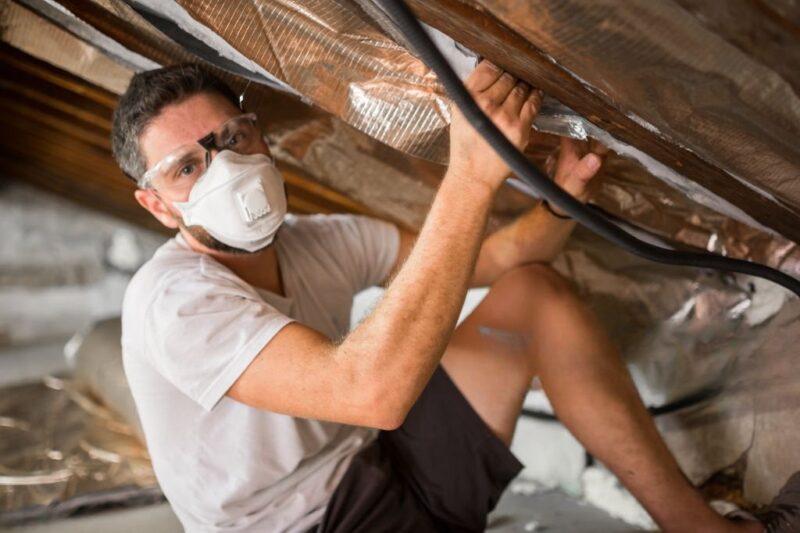
Attic insulation plays a critical role in keeping your home comfortable and energy efficient, but it isn’t something you can install and forget. Over time, insulation can settle, become damaged by moisture, shift out of place, or lose its effectiveness due to pests, roof leaks, and everyday wear. In Florida’s hot and humid climate, these issues can allow more heat to enter your home, forcing your air conditioner to work harder and increasing your cooling costs.
Regular attic insulation maintenance helps ensure your insulation continues to perform as intended while also protecting your HVAC system and improving year-round comfort. In this guide, we’ll explain how to inspect and maintain your attic insulation, identify common warning signs of damage, prevent moisture and pest problems, and know when it’s time to add or replace insulation. Whether you’re performing routine maintenance or considering a professional inspection, these tips can help you get the most value from your attic insulation investment.
How Often Should You Inspect Your Attic Insulation?
Attic insulation should be inspected regularly to confirm that it remains dry, evenly distributed, and capable of providing effective thermal resistance. While insulation can last for many years, Florida’s heat, humidity, storms, roof conditions, and pest activity may affect its performance over time. Routine checks can help identify settling, moisture damage, thin coverage, blocked ventilation, and other concerns before they contribute to uneven temperatures, longer cooling cycles, or higher energy use.
Schedule an Inspection at Least Once a Year
A yearly attic insulation inspection is a practical starting point for most homeowners. During the inspection, check the material’s depth, condition, and coverage in several areas rather than relying on a single measurement. Look for exposed ceiling joists, compressed sections, bare spots, moisture stains, pest evidence, and insulation that has shifted away from important areas. Keeping notes or photos from each annual inspection can make it easier to identify gradual changes and determine whether maintenance or additional insulation may be needed.
Check the Attic Before Florida’s Hottest Months
Inspecting attic insulation before the hottest part of the year gives homeowners time to address problems before cooling demand increases. Thin or disturbed insulation can allow more attic heat to move into the living space, causing the air conditioner to run longer to maintain the thermostat setting. A pre-summer inspection should also include checking the attic access opening, ventilation pathways, visible ductwork, and areas where insulation may have settled. Completing necessary improvements early can help prepare the home for Florida’s extended cooling season.
Inspect After Severe Storms or Roof Repairs
Heavy rain, strong winds, and roof damage can allow water to enter the attic and affect the insulation below. After a severe storm, look for damp material, clumping, stains, musty odors, displaced insulation, and changes to the roof decking. The attic should also be checked after roof repairs because foot traffic and construction work can compress or disturb insulation. Any moisture source should be corrected before new insulation is added, since covering wet material can trap moisture and allow the underlying problem to continue.
Inspect After Pest Activity
Rodents, birds, insects, and other pests can tunnel through, compress, contaminate, or move attic insulation. Once the pest problem has been addressed, inspect the affected areas for droppings, nesting material, odors, damaged ductwork, chewed wiring, and uneven insulation coverage. Heavily contaminated material may need to be removed rather than covered with a new layer. Entry points should also be sealed before insulation is repaired or replaced to reduce the likelihood of the problem returning.
Check When Energy Bills or Comfort Levels Change
A noticeable increase in cooling costs or a change in indoor comfort may indicate that the attic insulation is no longer performing as expected. Warning signs can include rooms that feel warmer than others, ceilings that radiate heat, longer AC run times, frequent cycling, or difficulty maintaining the thermostat setting. Although these symptoms may also involve the HVAC system, ductwork, or air leakage, inspecting the attic insulation can help determine whether thin coverage, damage, or settling is contributing to the problem.
8 Signs Your Attic Insulation Needs Maintenance
1. Uneven or Missing Insulation
Uneven coverage is one of the clearest signs that attic insulation needs attention. Bare areas, thin sections, exposed ceiling joists, and gaps around ductwork, wiring, or attic access points can allow heat to move more easily into the living space below. Insulation may become uneven after repairs, pest activity, storage use, or repeated foot traffic. Restoring consistent coverage can help improve thermal performance and reduce hot spots throughout the home.
2. Settled or Compressed Insulation
Loose-fill insulation may settle over time, while fiberglass batts can become compressed by stored items, flooring, or people moving through the attic. When insulation loses depth or becomes flattened, it may no longer provide the same level of resistance to heat transfer. Homeowners may notice visible low spots or reduced coverage around high-traffic areas. Measuring insulation depth in several locations can help determine whether additional material or corrective work is needed.
3. Damp or Clumped Insulation
Wet or clumped insulation often indicates a roof leak, condensation problem, plumbing issue, or moisture entering through damaged ductwork. Moisture can reduce insulation performance and may also affect nearby wood, ceilings, and other building materials. Damp insulation should not simply be covered with a new layer. The source of the moisture should be identified and repaired first, and damaged material may need to be removed before replacement insulation is installed.
4. Musty Odors or Visible Discoloration
A persistent musty smell or visible staining in the attic may point to ongoing moisture, microbial growth, roof leakage, or contaminated insulation. Discoloration can appear on the insulation, roof decking, framing, or ceiling surfaces below. These signs deserve prompt attention because they may indicate a problem that extends beyond insulation alone. A professional inspection can help identify the cause and determine what materials should be cleaned, repaired, or replaced.
5. Pest Droppings or Nesting Materials
Droppings, nests, tunnels, damaged batts, and disturbed loose-fill material are common signs of pest activity. Rodents and other animals can compress insulation, move it away from important areas, contaminate it, and damage wiring or ductwork. After the pests have been removed, the attic should be checked carefully for contamination and structural entry points. Heavily affected insulation may need professional removal rather than simple redistribution.
6. Hot Rooms and Uneven Indoor Temperatures
Rooms that stay warmer than the rest of the home may be located beneath areas with thin, missing, or damaged insulation. Uneven attic coverage allows more heat to enter certain parts of the house, making it difficult to maintain consistent temperatures from room to room. Although airflow and ductwork issues may also contribute, checking the insulation above the affected area can help identify whether attic heat transfer is part of the problem.
7. Longer Air Conditioner Run Times
When attic insulation is no longer performing effectively, the air conditioner may need to run longer to maintain the thermostat setting. Increased heat transfer from the attic adds to the home’s cooling load, especially during Florida’s hottest months. Extended run times may also result from HVAC or ductwork concerns, so the attic should be evaluated as part of a broader home comfort assessment. Improving insulation coverage may help reduce unnecessary demand on the cooling system.
8. Unexpected Increases in Cooling Costs
Higher electricity bills without a clear change in thermostat use or household habits can sometimes point to reduced attic insulation performance. Settling, moisture damage, gaps, and compression can allow more heat into the home, causing the AC system to use more energy. Because rising cooling costs can have several causes, homeowners should consider checking the insulation, air sealing, ductwork, and HVAC equipment together. A professional inspection can help identify which improvements may provide the greatest benefit.
Routine Attic Insulation Maintenance Tasks
Routine attic insulation maintenance helps preserve your home’s energy efficiency and keeps the insulation performing as intended for years to come. While attic insulation generally requires little day-to-day attention, simple maintenance tasks can prevent damage caused by moisture, storage, foot traffic, and blocked ventilation. Regular inspections also make it easier to identify small issues before they lead to higher cooling costs or more extensive repairs.
Keep Insulation Evenly Distributed
Insulation should provide consistent coverage across the attic floor without thin spots or exposed areas. Over time, insulation may shift because of repairs, pest activity, HVAC servicing, or people moving through the attic. During an inspection, look for areas where the material has been pushed aside or settled unevenly. If you notice gaps or bare sections, redistribute suitable insulation carefully or consult a professional to determine whether additional insulation is needed to restore consistent coverage.
Avoid Compressing the Insulation
Attic insulation works best when it maintains its intended thickness and structure. Walking directly on insulation, placing heavy objects on top of it, or installing flooring without proper planning can compress the material and reduce its ability to slow heat transfer. When entering the attic, stay on designated walk boards or structural framing whenever possible, and avoid placing unnecessary weight on insulated areas. Preventing compression helps maintain the insulation’s thermal performance and extends its useful life.
Protect Insulation From Attic Storage
Using the attic for storage can unintentionally damage insulation if boxes, furniture, or other belongings are placed directly on top of it. Heavy items compress insulation, while frequent movement around stored belongings can create thin spots and disturb coverage. If attic storage is necessary, use raised storage platforms that keep weight off the insulation and preserve the recommended insulation depth. Keeping storage organized also makes future inspections easier and reduces the risk of accidentally damaging the insulation.
Maintain Clear Access Paths
Service technicians may occasionally need attic access for HVAC, electrical, or plumbing work. Maintaining designated pathways helps reduce unnecessary disturbance to the insulation while providing safer access to equipment. Clearly defined walkways also minimize repeated foot traffic across insulated areas, helping maintain even coverage throughout the attic. If your attic does not already have protected access paths, consider discussing safe access options during your next professional inspection.
Seal and Insulate the Attic Hatch
The attic access hatch or pull-down stairs can become a significant source of heat transfer if left unsealed or uninsulated. Inspect the hatch regularly for worn weatherstripping, visible gaps, or missing insulation on the attic side. Replacing damaged weather seals and ensuring the hatch is properly insulated can help reduce unwanted airflow between the attic and living space. This simple maintenance task supports the effectiveness of the surrounding attic insulation and helps improve overall energy efficiency.
Keep Soffit and Roof Vents Clear
Proper attic ventilation works together with insulation to help manage heat and moisture. During inspections, make sure insulation has not shifted over soffit vents or blocked airflow near the eaves. Check ridge, roof, and gable vents for debris, nests, or visible obstructions that could restrict ventilation. Keeping these pathways open allows the attic ventilation system to function as intended while helping protect insulation from excess heat and moisture buildup.
Inspect Around Wiring and Recessed Lighting
Areas surrounding electrical wiring, junction boxes, and recessed lighting should be checked during routine attic inspections. Look for insulation that has been disturbed during electrical work or maintenance, as well as any signs of damaged wiring or overheating. Certain recessed light fixtures require specific clearances from insulation, so avoid covering fixtures that are not rated for insulation contact. If you notice damaged electrical components or have questions about safe insulation placement, contact a qualified professional before making adjustments.
Check Bathroom and Kitchen Exhaust Ducts
Bathroom and kitchen exhaust fans should vent moist air outside the home rather than into the attic. During maintenance, inspect visible exhaust ducts for loose connections, disconnected sections, damaged insulation, or signs of condensation. Moist air released into the attic can dampen insulation, increase humidity, and contribute to mold or wood damage over time. Ensuring exhaust ducts remain properly connected and vent outdoors helps protect both your insulation and the overall condition of your attic.
Maintaining Proper Attic Ventilation
Proper attic ventilation helps manage heat and moisture while supporting the performance of your insulation and roofing system. In a traditionally vented attic, intake and exhaust vents work together to move outdoor air through the attic space, which may help reduce heat buildup and limit excess moisture. However, ventilation must be balanced and compatible with the attic’s insulation design. Blocked vents, damaged baffles, or poorly planned modifications can reduce airflow and create conditions that affect comfort, energy efficiency, and attic durability.
Understand Intake and Exhaust Ventilation
Attic ventilation typically relies on intake vents located near the lower edges of the roof and exhaust vents positioned higher on the roof. Soffit vents commonly bring outdoor air into the attic, while ridge, roof, or gable vents allow warmer air to leave. For the system to work effectively, both intake and exhaust pathways must remain open and properly balanced. Insulation should reduce heat transfer into the home without blocking the airflow needed by a vented attic.
Keep Soffit Vents Free From Insulation
Soffit vents can easily become covered when loose-fill insulation shifts toward the eaves or when new insulation is installed without proper safeguards. When these intake openings are blocked, the attic may not receive enough outside air to support the ventilation system. During inspections, check the edges of the attic for insulation piled against the soffits. Any material affecting airflow should be corrected carefully while maintaining the insulation coverage needed above the living space.
Inspect Ridge, Roof, and Gable Vents
Exhaust vents should be checked periodically for debris, storm damage, pest nests, or other obstructions that may restrict airflow. Ridge vents can be affected by roofing work, while roof and gable vents may become damaged by wind or clogged over time. Look for visible deterioration, disconnected components, water stains, or signs that pests have entered through the vent openings. Any damaged vent should be repaired promptly to help protect the attic from moisture intrusion and poor ventilation.
Check Attic Baffles Near the Eaves
Attic baffles, also called ventilation chutes, help create a clear channel between soffit vents and the upper attic. They prevent insulation from blocking intake airflow while allowing the attic floor near the eaves to remain properly insulated. Check baffles for cracks, displacement, gaps, or sections that have been crushed during previous work. Missing or damaged baffles may need to be repaired or replaced before adding insulation near the roof edges.
Avoid Adding Vents Without an Evaluation
Adding more vents does not automatically improve attic performance and may create airflow imbalances if the existing system is not assessed first. Too much exhaust ventilation without enough intake can draw conditioned air from the home through ceiling gaps, while poorly placed vents may allow rain or humid air to enter. Before changing the ventilation layout, have the attic’s existing vents, insulation, air sealing, and roof design evaluated. A professional can determine whether repairs, balancing, or a different solution is appropriate.
Consider the Design of Your Attic Insulation System
Ventilation needs depend on whether the insulation is installed along the attic floor or applied to the underside of the roof deck. A traditional vented attic usually has insulation above the ceiling with open ventilation pathways at the eaves and roof. An encapsulated or spray-foamed attic may be designed as an unvented space with insulation along the roofline. Because these systems function differently, vents should not be added, blocked, or altered without understanding the original attic design and how each component works together.
Air Sealing and Attic Insulation Maintenance
Attic insulation and air sealing work together to improve your home’s energy efficiency and indoor comfort. While insulation slows the transfer of heat, it does not stop air from moving through gaps and openings in the attic floor. Warm, humid outdoor air can enter the home through these leaks, while conditioned indoor air can escape into the attic. Inspecting and sealing common air leakage points helps insulation perform more effectively and may reduce unnecessary strain on your HVAC system.
Seal Gaps Around Plumbing Pipes
Small openings often exist where plumbing pipes pass through the attic floor. Even narrow gaps can allow conditioned air to escape and warm attic air to enter the living space. During an attic inspection, look for visible spaces around plumbing penetrations and check that previous sealants remain intact. Sealing these openings with appropriate materials helps reduce unwanted airflow while allowing the surrounding insulation to perform more efficiently.
Address Openings Around Electrical Wiring
Electrical wiring frequently passes through drilled holes in framing and ceiling penetrations, creating small air leakage paths. Over time, sealants may crack, shrink, or become damaged, allowing air movement between the attic and the rooms below. Carefully inspect these areas for visible gaps while avoiding direct contact with electrical components. If repairs involve exposed wiring or electrical modifications, a qualified professional should complete the work to ensure safety.
Check Gaps Around Duct Boots
Duct boots connect your HVAC ductwork to supply and return vents throughout the home. If gaps develop around these connections where they pass through the ceiling, conditioned air can escape into the attic while warm attic air enters the home. During routine maintenance, inspect accessible duct boots for visible openings, deteriorated sealant, or loose connections. Properly sealing these gaps can help improve HVAC efficiency and support more consistent indoor temperatures.
Seal the Attic Access Opening
The attic access hatch or pull-down stairs is one of the largest potential sources of air leakage in many homes. Worn weatherstripping, loose-fitting panels, or missing insulation can allow significant heat transfer between the attic and living space. Inspect the perimeter of the access opening for gaps and replace damaged weather seals as needed. Adding insulation to the attic side of the hatch can further improve its thermal performance while complementing the surrounding attic insulation.
Inspect Areas Around Exhaust Fans
Bathroom and kitchen exhaust fans create additional ceiling penetrations that should be inspected for air leaks. Check around the fan housing and duct connections for visible gaps, loose fittings, or deteriorated sealant that could allow conditioned air to escape into the attic. At the same time, confirm that the exhaust duct remains securely connected and vents outdoors rather than releasing moist air into the attic. Proper sealing helps improve energy efficiency while reducing the risk of excess moisture around the insulation.
Address Air Leaks Before Adding Insulation
If significant air leaks are present, they should be sealed before installing additional attic insulation whenever possible. Simply covering gaps with more insulation does not stop air movement and may make future repairs more difficult. Addressing plumbing penetrations, electrical openings, duct boots, attic access points, and other accessible leaks first allows the new or existing insulation to perform more effectively. Combining air sealing with proper insulation maintenance creates a more complete approach to improving comfort, reducing heat transfer, and supporting HVAC efficiency.
8 Common Attic Insulation Maintenance Mistakes
1. Adding Insulation Without Inspecting Existing Material
Adding a new layer of insulation without first examining the existing material can conceal moisture, pest contamination, deterioration, and uneven coverage. Before installing more insulation, homeowners should identify the current material, measure its depth, and check for stains, odors, compression, and damaged areas. An inspection can determine whether the existing insulation is suitable for a top-up or whether certain sections should be removed and replaced first.
2. Covering Wet or Contaminated Insulation
New insulation should not be installed directly over material that is wet, mold-affected, or contaminated by pests. Covering damaged insulation does not correct the source of the problem and may trap moisture or odors beneath the new layer. Roof leaks, condensation, plumbing issues, and pest entry points should be resolved before installation begins. Depending on the extent of the damage, affected insulation may need to be professionally removed and replaced.
3. Ignoring Air Leaks
Insulation can slow heat transfer, but it does not reliably stop air from moving through openings in the attic floor. Gaps around plumbing pipes, electrical wiring, exhaust fans, duct boots, and attic access points can allow conditioned air to escape and warm attic air to enter the home. Adding insulation without sealing accessible leaks may limit the benefits of the upgrade. Air sealing should therefore be completed before additional insulation is installed whenever conditions allow.
4. Blocking Soffit Vents
Loose-fill insulation can shift toward the eaves and cover soffit vents, especially when it is installed without baffles or proper clearances. Blocked intake vents restrict airflow through a traditionally vented attic and may contribute to trapped heat and moisture. Homeowners should keep soffit openings unobstructed and inspect attic baffles for damage or displacement. Insulation should provide complete coverage near the roof edges without interfering with the ventilation system.
5. Compressing Insulation With Storage
Placing boxes, furniture, flooring, or other heavy items directly over attic insulation can flatten the material and reduce its thermal performance. Walking repeatedly across insulation can create similar damage and leave thin spots throughout the attic. When storage is necessary, belongings should be placed on properly supported raised platforms designed to preserve the recommended insulation depth. Designated access paths can also help limit unnecessary foot traffic.
6. Mixing Insulation Materials Without a Plan
Different insulation materials can sometimes be used together, but compatibility, installation method, moisture control, and ventilation must be considered first. Adding a new product without understanding the existing attic system may create uneven coverage or interfere with vapor-control features. Faced insulation also requires careful placement to avoid trapping moisture between layers. A professional evaluation can help determine which material and installation approach are appropriate for the home.
7. Disturbing Insulation Without Protective Equipment
Attic insulation may release dust and fibers when moved, and older material may contain pest waste, microbial contamination, or substances that require specialized handling. Homeowners entering the attic should use appropriate protective clothing, gloves, eye protection, and respiratory protection based on the material and conditions. Unknown, heavily contaminated, or potentially hazardous insulation should not be disturbed until it has been evaluated by a qualified professional.
8. Walking Between Ceiling Joists
Stepping between ceiling joists can damage the ceiling below and cause a serious fall. Insulation often hides the framing, making it difficult to identify safe places to step. Anyone entering the attic should remain on secured walk boards, structural framing, or an established service platform. When access is limited or the framing cannot be seen clearly, stopping the inspection and contacting a professional is safer than attempting to move through the attic.
When Should Attic Insulation Be Replaced?
Attic insulation does not always need to be replaced simply because it is old. In many cases, suitable insulation can continue performing for years if it remains dry, clean, evenly distributed, and free from damage. Replacement becomes more appropriate when the material can no longer provide reliable thermal resistance or when contamination, moisture, deterioration, or safety concerns make it unsuitable to keep in place. A professional inspection can help determine whether the entire attic needs new insulation or whether only affected sections require removal and replacement.
The Insulation Has Water Damage
Water-damaged insulation may become wet, clumped, compressed, or displaced, reducing its ability to slow heat transfer effectively. Moisture can come from roof leaks, plumbing problems, condensation, or damaged exhaust and HVAC ducts. Before replacing the insulation, the source of the water must be located and repaired so the problem does not return. Severely soaked or deteriorated material may need to be removed, while nearby framing and roof decking should be allowed to dry and inspected for additional damage.
Mold or Microbial Growth Is Present
Visible discoloration, persistent musty odors, or confirmed microbial growth may indicate that moisture has affected the insulation and surrounding attic materials. Insulation with widespread contamination should not simply be covered with a new layer, as this may conceal the issue without addressing its cause. The moisture source should be corrected first, and affected materials may require professional evaluation, cleaning, or removal. Replacement insulation should only be installed after the attic conditions have been properly addressed.
Pests Have Contaminated the Material
Rodents, birds, and other pests can leave droppings, urine, nesting materials, and strong odors throughout attic insulation. They may also tunnel through the material, compress it, and move it away from important areas. When contamination is widespread, removing and replacing the affected insulation may be more appropriate than attempting to redistribute or cover it. Pest entry points should be sealed and the infestation resolved before new insulation is installed.
Smoke, Fire, or Soot Has Affected the Insulation
Insulation exposed to smoke, fire, or soot may retain odors and contaminants even when it does not appear heavily damaged. Heat can also alter certain insulation materials and reduce their performance. After a fire or smoke event, the attic should be evaluated for structural, electrical, ventilation, and insulation damage. Depending on the extent of exposure, affected material may need to be professionally removed before the attic is cleaned and reinsulated.
The Material Is Severely Compressed
Insulation that has been flattened by storage, flooring, foot traffic, or repair work may no longer provide its intended thermal resistance. Minor compression may sometimes be corrected in limited areas, but widespread flattening can make replacement more practical. Fiberglass batts that remain permanently crushed or loose-fill insulation that has lost substantial depth may not perform effectively even when repositioned. An inspection can determine whether adding compatible insulation is sufficient or whether damaged sections should be removed first.
The Insulation Has Widespread Deterioration
Insulation may deteriorate because of age, repeated moisture exposure, pest activity, renovation work, or long-term disturbance. Signs can include extensive thin spots, torn batts, crumbling material, persistent odors, or uneven coverage throughout the attic. When damage affects a large portion of the space, repeated spot repairs may not restore consistent performance. Replacing the material can provide a cleaner, more uniform insulation layer and make it easier to address air sealing and ventilation concerns at the same time.
The Material Is Unknown or Potentially Hazardous
Older homes may contain insulation materials that are difficult to identify or that could require special handling. Homeowners should avoid disturbing unfamiliar loose-fill products, old pipe insulation, or materials suspected of containing asbestos or other hazardous substances. A qualified professional can identify the material, recommend testing when appropriate, and explain the correct removal procedures. New insulation should not be added until any potential safety concerns have been evaluated and resolved.
Creating a Seasonal Attic Maintenance Schedule
A seasonal attic maintenance schedule helps homeowners monitor insulation, ventilation, moisture, pests, and air sealing throughout the year. Florida attics face intense heat, high humidity, heavy rain, and severe storms, so conditions can change between inspections. Checking the attic at strategic times makes it easier to identify developing concerns before they affect indoor comfort, cooling efficiency, or surrounding building materials. Homeowners should avoid entering the attic during extreme heat or unsafe conditions and contact a professional when access is limited.
Spring Attic Maintenance
Spring is a practical time to prepare the attic for Florida’s hottest and wettest months. Inspect the insulation for thin spots, compression, moisture stains, pest activity, and areas disturbed during winter maintenance. Check soffit vents, baffles, ridge vents, and exhaust ducts to confirm that airflow paths remain open. It is also a good time to inspect the attic hatch and accessible penetrations for air leaks before cooling demand increases.
Summer Attic Maintenance
Summer attic inspections should focus on signs of excessive heat, moisture, and HVAC-related concerns. Monitor indoor comfort, air conditioner run times, and cooling costs for changes that may indicate reduced insulation performance or duct leakage. Because attic temperatures can become dangerously high, visual checks should be completed during cooler parts of the day or handled by a trained professional. Avoid disturbing insulation unnecessarily during periods of extreme heat.
Fall Attic Maintenance
Fall provides an opportunity to evaluate how the attic performed during the peak cooling season. Look for displaced insulation, condensation, roof stains, blocked vents, and pest entry points that may have developed during summer storms. Check whether insulation remains evenly distributed and whether exhaust ducts are still securely connected. Addressing these concerns during milder weather can help prepare the home for the next seasonal change.
Winter Attic Maintenance
Florida winters are generally mild, but cooler weather can make attic inspections safer and more manageable. Use this time to examine insulation depth, air-sealing areas, storage platforms, walkways, and the attic access opening. Check for signs of rodents or other pests seeking shelter and inspect visible ductwork for damage or disconnected sections. Winter may also be a suitable time to schedule insulation upgrades before the next high-demand cooling season.
Maintenance After Hurricanes and Severe Storms
The attic should be inspected after hurricanes, tropical storms, high winds, hail, or heavy rainfall, even when the roof appears intact from the ground. Look for wet insulation, roof-deck staining, displaced vents, damaged baffles, debris, and signs that wind-driven rain entered the attic. Electrical hazards and weakened roofing can make post-storm attic access unsafe, so homeowners should avoid entering until conditions have been assessed. Water-damaged insulation should be addressed only after the source of the intrusion has been repaired.
Maintenance After Roof or HVAC Work
Roofing, electrical, plumbing, and HVAC projects can disturb attic insulation or alter ventilation and air-sealing components. After service work is completed, check whether insulation was moved away from repaired areas, compressed under equipment, or left uneven around wiring, ducts, and access paths. Confirm that soffit vents, baffles, exhaust ducts, and attic openings remain properly positioned and unobstructed. A final attic inspection helps ensure that completed repairs have not unintentionally reduced insulation performance.
How Attic Insulation Maintenance Supports Your HVAC System
Regular attic insulation maintenance does more than preserve the insulation itself—it also helps support the overall performance of your HVAC system. When insulation remains dry, evenly distributed, and free from damage, it can reduce unwanted heat transfer into the home, allowing the air conditioner to operate under more favorable conditions. Although insulation is only one part of an efficient home, maintaining it alongside proper air sealing, ventilation, and HVAC servicing can contribute to improved comfort and more reliable system performance.
Reduces Heat Transfer Into the Home
Properly maintained attic insulation helps slow the movement of heat from the attic into the living areas below. In Florida, attic temperatures can become significantly higher than indoor temperatures during much of the year. If insulation becomes thin, compressed, or damaged, more heat may pass through the ceiling, increasing the home’s cooling demand. Keeping insulation in good condition helps maintain its thermal resistance and limits unnecessary heat gain.
Helps the Air Conditioner Run More Efficiently
When less heat enters the home through the attic, the air conditioner may not need to work as hard to maintain the desired indoor temperature. Well-maintained insulation can reduce the cooling load placed on the HVAC system, particularly during periods of intense summer heat. While many factors influence HVAC efficiency, maintaining attic insulation helps create conditions that allow the system to operate more effectively.
Supports More Consistent Indoor Temperatures
Uneven insulation coverage can contribute to hot spots and temperature differences between rooms, especially those directly beneath the attic. Routine maintenance helps identify areas where insulation has shifted, settled, or been disturbed so they can be corrected before comfort problems become more noticeable. Maintaining consistent insulation coverage supports more even temperatures throughout the home and can reduce the need for frequent thermostat adjustments.
Helps Reduce Unnecessary Cooling Cycles
As heat enters the home more quickly, the air conditioner may cycle on more frequently to replace lost cooling. Over time, repeated cooling cycles can increase energy use and place additional demand on HVAC components. By helping slow heat transfer through the ceiling, properly maintained attic insulation may reduce unnecessary system cycling and allow the air conditioner to maintain comfortable indoor conditions more steadily.
Protects Attic Ductwork From Extreme Temperatures
Many Florida homes have HVAC ductwork running through the attic, where temperatures can become extremely high during the summer. Although duct insulation plays an important role, maintaining the attic’s overall insulation helps reduce the amount of heat surrounding the duct system. This can help minimize unwanted heat gain as conditioned air travels through the ducts and supports more effective air delivery to the living spaces below.
May Help Control Cooling Costs
Attic insulation maintenance can contribute to lower cooling costs by helping the HVAC system operate more efficiently and reducing unnecessary heat entering the home. When insulation remains clean, properly distributed, and free from moisture or damage, it continues to support the home’s thermal performance. While savings vary depending on the home’s condition, insulation levels, HVAC equipment, and household habits, keeping attic insulation well maintained is an important part of an overall energy-efficiency strategy.
Why Choose Pino’s Air for Attic Insulation Maintenance?
Keeping attic insulation in good condition requires more than simply adding another layer of material. It takes an understanding of how insulation, ventilation, air sealing, and your HVAC system work together to support indoor comfort and energy efficiency. At Pino’s Air, we take a comprehensive approach to attic insulation maintenance by carefully evaluating your attic’s condition, identifying potential concerns, and recommending solutions that fit your home’s specific needs. Whether your insulation needs routine attention, repairs, or replacement, we’re committed to helping you make informed decisions without unnecessary upselling.
Experience With Florida Attic Conditions
Florida’s climate presents unique challenges for attic insulation, including prolonged heat, high humidity, heavy rainfall, and severe storms. Our team understands how these conditions can affect insulation performance over time and knows what to look for during an attic evaluation. We tailor our recommendations to the demands of Southwest Florida homes, helping homeowners maintain insulation that supports year-round comfort.
Detailed Attic Insulation Evaluations
Every attic has its own layout, insulation type, ventilation system, and maintenance history. That’s why we perform thorough evaluations rather than relying on quick visual observations alone. We assess insulation coverage, visible moisture concerns, ventilation pathways, accessible ductwork, attic access areas, and other factors that may influence overall performance. This detailed approach allows us to recommend the most appropriate next steps for your home.
High-Quality Insulation Solutions
Whether your attic needs additional insulation, repairs, or replacement, we use quality materials and proven installation practices designed to support long-term performance. Our goal is to provide even insulation coverage while considering proper ventilation and air movement throughout the attic. We focus on solutions that help your insulation perform effectively rather than simply increasing the amount of material.
Honest Recommendations Based on Your Home
Not every attic requires a complete insulation replacement. In many cases, minor maintenance, redistribution, air sealing, or targeted repairs may be all that’s needed. We evaluate your attic carefully and explain our findings in straightforward terms so you understand the condition of your insulation and the available options. Our recommendations are based on what your home actually needs, allowing you to make confident, informed decisions.
Support for Indoor Comfort and Energy Efficiency
Well-maintained attic insulation plays an important role in reducing heat transfer and helping your HVAC system operate more efficiently. By addressing insulation concerns before they become larger problems, we help support more consistent indoor temperatures and improved overall home comfort. While every home is different, maintaining your attic insulation is an important part of a long-term energy-efficiency strategy.
FAQs About Attic Insulation Maintenance
Attic insulation should generally be inspected at least once a year and whenever there are signs of moisture, pests, uneven temperatures, or rising cooling costs. Florida homeowners should also consider checking the attic before the hottest months and after severe storms, roof repairs, or HVAC work. Regular inspections can help identify shifted insulation, blocked vents, air leaks, and other concerns before they affect comfort or energy efficiency.
Settled insulation may appear lower than it once was, expose portions of the ceiling joists, or create uneven coverage across the attic floor. Loose-fill materials naturally settle to some degree over time, but significant depth loss can reduce thermal performance. Measuring the insulation in several locations and comparing the results can help determine whether it remains adequate or needs to be redistributed or supplemented.
Wet insulation may need to be replaced if it has become saturated, clumped, contaminated, or unable to dry properly. The source of the moisture, such as a roof leak, plumbing issue, condensation, or disconnected exhaust duct, should be repaired before any new material is installed. A professional evaluation can determine whether only the affected area needs replacement or whether the damage is more widespread.
New insulation can sometimes be installed over existing material when the old insulation is dry, clean, properly positioned, and compatible with the new product. It should not be added over insulation affected by water, mold, pests, smoke, or extensive deterioration. The attic should also be checked for air leaks and ventilation concerns first so existing problems are not buried beneath another layer.
Signs of pest damage may include droppings, urine odors, nesting materials, tunnels, torn batts, or loose-fill insulation that has been pushed into piles. You may also notice scratching sounds, damaged ductwork, or entry points near vents and roof openings. Pest activity should be resolved before contaminated insulation is cleaned, removed, redistributed, or replaced.
Blocked vents can interfere with airflow in a traditionally vented attic and contribute to excess heat or moisture buildup. Insulation that covers soffit vents or damaged baffles near the eaves may restrict intake air, while clogged roof or ridge vents may limit exhaust airflow. Keeping ventilation pathways open helps the attic system function as designed and protects the surrounding insulation and building materials.
The service life of attic insulation depends on the material, installation quality, and conditions inside the attic. Insulation may remain effective for many years when it stays dry, clean, evenly distributed, and free from compression or contamination. Water intrusion, pests, renovations, foot traffic, and severe settling can shorten its useful life, so condition is often more important than age alone.
Yes, the attic should be checked after a hurricane, tropical storm, or other severe weather event, even when the roof looks undamaged from outside. Look for wet insulation, water stains, damaged vents, displaced baffles, debris, and signs of wind-driven rain. Because electrical hazards, structural damage, and extreme attic heat may make entry unsafe, a professional inspection may be the safest option after a major storm.
Your Attic Called—It Could Use a Little Attention!
Regular attic insulation in Sarasota helps protect your home’s comfort, energy efficiency, and HVAC performance. By checking for uneven coverage, moisture, pest activity, blocked vents, air leaks, and compressed material, you can address developing concerns before they lead to larger problems. Seasonal inspections and timely repairs also help ensure your insulation continues to perform as intended in Florida’s heat, humidity, and severe weather conditions.
At Pino’s Air as a professional HVAC contractor in Sarasota, we provide professional attic insulation evaluations, AC maintenance in Sarasota, air conditioning repairs in Sarasota, and AC replacement in Sarasota recommendations based on your home’s actual condition. We take the time to assess how your insulation, ventilation, ductwork, and HVAC system work together so we can recommend practical solutions without unnecessary upselling. Call us today at 941-564-9070 or contact us to schedule your attic insulation service and let us help you maintain a more comfortable and energy-efficient home.