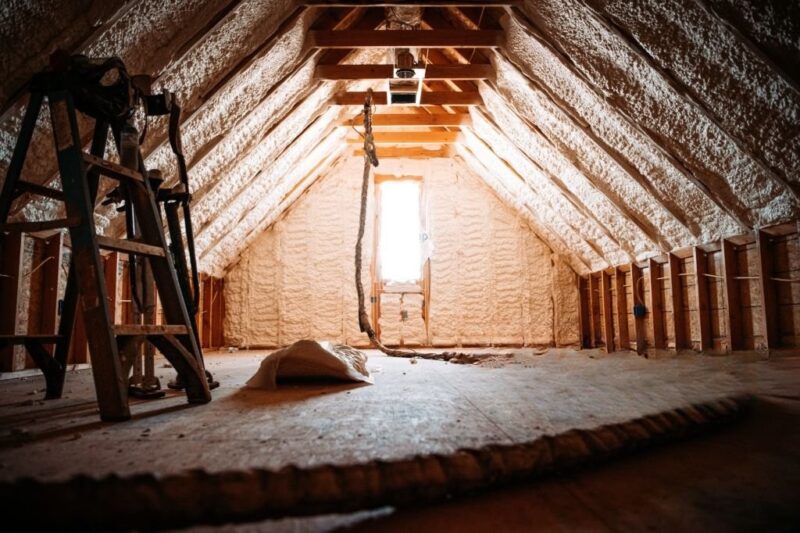
Many vacation homes spend weeks or even months unoccupied, but that doesn’t mean the Florida heat takes time off. During extended periods of vacancy, attic temperatures can soar, forcing the air conditioner to work harder when the home is occupied again. Without adequate attic insulation, heat can easily transfer into the living space, making it more difficult to maintain comfortable indoor temperatures while increasing energy use and placing additional strain on the HVAC system.
Proper attic insulation helps create a more energy-efficient and comfortable home whether you’re there every day or only a few times each year. It slows heat transfer, supports better indoor temperature stability, and can help reduce cooling costs while protecting your home from the effects of prolonged heat exposure. In this guide, we’ll explain why attic insulation is especially important for vacation homes, how it works with your HVAC system, and what Florida homeowners should consider when planning an insulation upgrade.
Why Vacation Homes Need Proper Attic Insulation
Vacation homes face many of the same heat and humidity challenges as primary residences, but extended periods of limited occupancy can make those issues harder to notice. Proper attic insulation helps slow heat transfer through the roof and ceiling, supports more stable indoor conditions, and reduces unnecessary strain on the cooling system.
Homes Sit Empty for Extended Periods
Seasonal properties may remain unoccupied for weeks or months at a time, often with the air conditioner set higher than usual to conserve energy. While limited HVAC operation can lower short-term cooling costs, it may also allow more heat to build up in the attic and living areas. Adequate attic insulation creates a thermal barrier that helps reduce the amount of outdoor heat entering the home while it sits empty.
Florida Heat Doesn’t Take Vacations
Florida homes are exposed to intense sunlight, high humidity, and a long cooling season. As the roof absorbs solar heat, attic temperatures can rise significantly and transfer warmth into the rooms below. Attic insulation helps slow this downward heat flow, making it easier for the home to maintain a more manageable indoor temperature throughout hot and humid weather.
Higher Cooling Costs After Returning
When owners return to a vacation home that has been warm for an extended period, the HVAC system must remove heat from the indoor air, furniture, walls, flooring, and other surfaces. This recovery period can lead to longer cooling cycles, increased energy consumption, and delays before the home feels comfortable. Proper insulation helps limit heat gain, allowing the air conditioner to bring the property back to the preferred temperature more efficiently.
Protecting the Home While You’re Away
Attic insulation supports more consistent indoor temperatures by reducing heat transfer between the attic and the living space. This added stability can help limit extreme temperature fluctuations that may affect certain furnishings, finishes, and building materials over time. Although insulation does not replace humidity control, roof maintenance, or regular property inspections, it is an important part of protecting a vacation home while it is unoccupied.
6 Benefits of Attic Insulation for Vacation Homes
1. Better Temperature Stability
Proper attic insulation helps reduce the amount of heat entering the living space during hot weather. This can keep indoor temperatures from rising as quickly while the home is vacant and may make it easier to maintain a more stable environment throughout the property. Fewer temperature swings can also help protect furnishings, finishes, and other temperature-sensitive materials.
2. Lower Cooling Costs
When less heat moves from the attic into the rooms below, the air conditioner does not have to work as hard to maintain the thermostat setting. This may help reduce cooling demand during extended stays and while the property is being prepared for guests or owners. The actual savings depend on the home’s size, insulation condition, HVAC efficiency, thermostat settings, and occupancy habits.
3. Reduced HVAC Wear
An HVAC system that runs for long periods to overcome attic heat may experience additional wear over time. Attic insulation can help reduce the cooling load, allowing the system to operate more efficiently and with fewer extended cycles. This supports system performance and may help reduce the likelihood of avoidable strain, especially during Florida’s long cooling season.
4. Improved Indoor Comfort Upon Arrival
Returning to an overheated vacation home can mean waiting hours for the indoor temperature to become comfortable. Adequate attic insulation helps limit heat buildup in the living space, which may shorten the time needed for the air conditioner to reach the preferred setting. This allows owners and guests to settle in more comfortably after arrival.
5. Better Moisture Control
Attic insulation can support moisture management by helping reduce temperature differences that contribute to condensation on certain surfaces. However, insulation alone does not control Florida humidity or correct roof leaks, air leaks, or ventilation problems. Effective moisture control may also require proper air sealing, HVAC operation, attic ventilation, drainage, and dehumidification.
6. Potential Long-Term Energy Savings
Quality attic insulation can continue supporting energy efficiency for many years when it is properly installed and kept dry and undisturbed. By reducing unwanted heat transfer, it may lower the amount of energy needed to cool the home over time. For vacation property owners, these potential savings can add up across repeated visits, seasonal occupancy, and periods when the home is maintained at a higher thermostat setting.
How Much Attic Insulation Does a Vacation Home Need?
The right amount of attic insulation depends on the home’s location, existing materials, attic design, and overall condition. Vacation homes in Florida need enough insulation to slow heat transfer without creating ventilation or moisture problems. A professional attic assessment can help determine whether the home needs additional insulation, air sealing, or removal of damaged materials before an upgrade begins.
Understanding R-Values
R-value measures how well an insulation material resists heat flow. A higher R-value generally provides greater resistance to heat transfer, but more insulation is not always automatically better. The material must be installed evenly and at the correct depth, and it should not block soffit vents or cover equipment that requires clearance. Air leaks, moisture issues, and compressed insulation can also reduce performance, even when the attic appears to have a high R-value.
Recommended Insulation Levels for Florida
Recommended attic insulation levels vary according to climate zone, local building requirements, and the type of insulation being used. Florida’s warm climate creates a strong need to limit heat entering through the roof, but insulation should be selected as part of a complete attic system that includes air sealing and proper ventilation. An insulation professional can evaluate the existing R-value and recommend an appropriate target based on the home’s age, construction, and location.
Can You Add Insulation Over Existing Insulation?
New insulation can often be installed over existing insulation when the original material is dry, clean, evenly distributed, and free from contamination. Adding blown-in fiberglass or cellulose may help increase the attic’s overall R-value and fill areas where insulation has settled. Before adding more material, contractors should check for air leaks, blocked vents, exposed wiring, roof problems, and uneven coverage that could reduce the effectiveness of the upgrade.
When Old Insulation Should Be Removed First
Existing insulation may need to be removed when it has been affected by roof leaks, plumbing problems, flooding, or persistent condensation. Wet insulation can lose some of its insulating ability and may create conditions that support microbial growth. Removal may also be recommended when insulation contains pest droppings, nesting materials, strong odors, or other contamination that should not be covered with a new layer.
Severely compressed, damaged, or uneven insulation may also need partial or complete replacement. If mold is visible or suspected, the moisture source should be identified and corrected before new insulation is installed. Simply covering damaged material can hide the problem and allow it to continue affecting the attic and surrounding building components.
6 Signs Your Vacation Home Needs More Attic Insulation
1. High Utility Bills
Unexpectedly high cooling costs can be a sign that too much heat is entering through the attic. When insulation is insufficient or uneven, the air conditioner must run longer to maintain the thermostat setting. Utility bills can also increase because of HVAC efficiency issues, air leaks, or duct problems, so a complete inspection is often the best way to identify the cause.
2. HVAC Runs Constantly After Arrival
A vacation home that has been warm for several weeks may take time to cool, but the HVAC system should not have to run continuously for an unusually long period. Extended operation after arrival may indicate excessive heat buildup, inadequate insulation, air leakage, or an improperly sized system. Improving attic insulation can help reduce the cooling load and support more efficient temperature recovery.
3. Uneven Indoor Temperatures
Temperature differences between rooms may point to inconsistent insulation coverage in the attic. Areas with thin, missing, or compressed insulation can allow more heat to pass into the rooms below. Uneven temperatures may also result from ductwork or airflow problems, so the attic and HVAC system should be evaluated together.
4. Rooms Below the Attic Feel Hot
Upstairs rooms or spaces directly beneath the attic may feel noticeably warmer than the rest of the home when attic heat transfers through the ceiling. This is especially common during sunny afternoons in Florida. Adequate insulation helps slow that heat flow and can make these rooms easier to cool.
5. Existing Insulation Looks Thin or Compressed
Insulation that appears flattened, patchy, or below the tops of the ceiling joists may no longer provide sufficient thermal resistance. Compression reduces the amount of trapped air within the material, which can lower its effectiveness. Settled blown-in insulation may also leave low spots that allow heat to enter more easily.
6. Older Home With Original Insulation
Older vacation homes may still have the insulation installed when the property was built. That material may no longer meet current efficiency recommendations, especially if it has settled, shifted, or been disturbed during previous repairs. A professional assessment can determine the existing R-value and whether adding or replacing insulation would improve the home’s performance.
Preparing a Vacation Home Before You Leave
Preparing a vacation home for an extended absence involves more than locking the doors and turning off the lights. The HVAC system, attic, roof, and indoor humidity all need attention to help protect the property from heat, moisture, and avoidable damage while no one is there to notice early warning signs.
Set the Thermostat Properly
Avoid turning the air conditioner off completely when leaving a Florida vacation home for an extended period. A higher thermostat setting can reduce energy use while still allowing the system to remove some heat and humidity from the indoor air. The ideal setting depends on the home, season, equipment, and humidity levels, but maintaining controlled cooling is generally safer than allowing the property to become excessively hot and damp.
Control Indoor Humidity
Florida humidity can remain high even when a home is unoccupied, creating conditions that may support condensation, musty odors, and microbial growth. Use a reliable humidity monitor and consider a whole-home dehumidifier if the air conditioner alone cannot maintain appropriate moisture levels. Indoor relative humidity should generally remain between 30% and 50%, although seasonal conditions may require professional adjustments.
Schedule HVAC Maintenance
Schedule HVAC maintenance before leaving for the season so potential issues can be addressed while the home is still occupied. A technician can inspect the system, replace or clean the filter, check refrigerant performance, clear the condensate drain, and confirm that the thermostat is operating properly. Preventive service can reduce the risk of the system shutting down unexpectedly during a long absence.
Inspect the Attic Before Seasonal Departure
Check the attic for signs of water intrusion, damaged insulation, pest activity, blocked vents, and exposed ductwork before leaving. Insulation should appear dry, evenly distributed, and free from visible contamination. A professional inspection may also identify air leaks or ventilation problems that could reduce energy efficiency or contribute to excess attic heat.
Address Roof Leaks Promptly
Even a small roof leak can cause significant damage if it continues unnoticed for weeks or months. Repair missing shingles, damaged flashing, clogged drainage areas, and any known water-entry points before leaving the property. Wet insulation should be evaluated and dried or replaced as needed because moisture can reduce its effectiveness and affect nearby ceilings, framing, and finishes.
6 Common Attic Insulation Mistakes to Avoid
1. Installing Too Little Insulation
Adding only a thin layer of insulation may not provide enough resistance to Florida’s intense attic heat. Inadequate coverage can leave the HVAC system working harder and may create hot spots in rooms below the attic. The correct amount should be based on the insulation type, existing R-value, climate zone, and condition of the attic.
2. Blocking Soffit Vents
Soffit vents help support airflow through a vented attic, so they should not be covered by loose-fill insulation or other materials. Blocked vents can interfere with attic ventilation and contribute to trapped heat or moisture. Baffles may be needed to keep insulation in place while maintaining a clear path for air movement.
3. Ignoring Air Leaks
Insulation can slow heat transfer, but it does not automatically stop conditioned air from escaping through gaps around wiring, plumbing penetrations, attic hatches, recessed fixtures, and duct connections. If these leaks are not sealed first, the insulation upgrade may not perform as expected. Air sealing should be completed carefully before new material is added.
4. Compressing Existing Insulation
Insulation relies partly on trapped air to resist heat flow, so compressing it can reduce its effectiveness. Storing boxes on top of insulation, placing heavy materials over it, or forcing too much insulation into a limited space can lower its R-value. Attic walkways and storage platforms should be designed to avoid crushing the material below.
5. DIY Installation Without Proper Planning
Installing attic insulation may appear straightforward, but the work can involve electrical hazards, limited clearances, ventilation requirements, protective equipment, and precise coverage depths. A poorly planned project may leave gaps, block vents, cover fixtures that require clearance, or disturb contaminated materials. Professional installation can help ensure the material is selected and applied correctly.
6. Forgetting About Moisture Problems
New insulation should not be installed over wet, mold-affected, or contaminated material. Roof leaks, condensation, damaged ductwork, and plumbing issues should be corrected before the attic is upgraded. Covering a moisture problem can hide the damage, reduce insulation performance, and allow the underlying issue to continue.
Why Professional Attic Insulation Installation Matters
Attic insulation affects more than indoor comfort. It also influences HVAC efficiency, attic ventilation, moisture management, and the long-term condition of the home. Professional installation helps ensure the insulation is appropriate for the property and applied without creating new performance or safety concerns.
Accurate Insulation Assessment
A professional can evaluate the existing insulation type, depth, condition, and estimated R-value before recommending an upgrade. This assessment may also reveal uneven coverage, air leaks, pest contamination, moisture damage, or ventilation problems that should be corrected first. For vacation homes, identifying these issues before long periods of vacancy can help prevent hidden problems from getting worse.
Proper Material Selection
Different insulation materials perform differently depending on the attic design, climate, budget, and existing conditions. A qualified installer can determine whether blown-in fiberglass, cellulose, or another option is best suited to the home. Proper material selection helps support consistent coverage, energy efficiency, and compatibility with the attic’s ventilation and moisture-control needs.
Safe Installation Around HVAC Equipment
Many Florida homes have air handlers, ductwork, electrical wiring, recessed lighting, and condensate lines located in the attic. Insulation must be installed carefully around this equipment to avoid blocking access, restricting airflow, covering components that require clearance, or interfering with drainage. Professional installers understand how to protect HVAC equipment while still providing effective insulation coverage.
Code Compliance
Attic insulation projects may need to follow local building codes, ventilation requirements, fire-safety clearances, and recommended insulation levels. Professionals are familiar with these requirements and can install the material in a way that supports both safety and performance. Code-compliant installation is especially important when the project is part of a renovation, HVAC replacement, or larger energy-efficiency upgrade.
Long-Term Performance
Even high-quality insulation will underperform if it is installed unevenly, compressed, exposed to moisture, or placed over unresolved air leaks. Professional installation helps create consistent coverage and reduces the likelihood of gaps, low spots, or blocked vents. When combined with proper maintenance and moisture control, a well-installed insulation system can support comfort and energy efficiency for many years.
FAQs About Attic Insulation for Vacation Homes
Yes. In a Florida vacation home, it is generally better to leave the air conditioner running at a higher thermostat setting rather than turning it off completely. The system can help limit excessive heat and remove some indoor moisture while the property is unoccupied. The ideal setting depends on the season, home construction, HVAC system, and humidity levels, so professional guidance may be helpful.
Attic insulation does not directly remove moisture from the air, but it can support humidity control by reducing heat transfer and helping limit temperature differences that contribute to condensation. Effective moisture management may also require proper HVAC operation, air sealing, ventilation, roof maintenance, and dehumidification.
Attic insulation can remain effective for many years when it stays dry, clean, evenly distributed, and undisturbed. Its performance may decline if it becomes compressed, contaminated by pests, affected by roof leaks, or moved during repairs. The lifespan also varies depending on the insulation material and quality of installation.
Additional insulation can often be installed over existing material when it is dry, clean, and in good condition. Replacement may be necessary if the insulation is wet, mold-affected, contaminated, severely compressed, or damaged by pests. A professional inspection can determine whether adding, removing, or replacing the material is the better option.
Yes. Proper attic insulation helps reduce the amount of heat entering the living space, which can lower the cooling load on the HVAC system. This may support shorter cooling cycles, more consistent temperatures, and reduced strain during Florida's long cooling season. Insulation works best when paired with proper air sealing, ductwork, and routine HVAC maintenance.
Attic insulation should generally be checked every few years and after roof leaks, storm damage, pest activity, HVAC work, or major home renovations. Vacation homes may benefit from an inspection before extended periods of vacancy because insulation problems can remain unnoticed while the property is unoccupied. Regular evaluations can identify settling, moisture damage, uneven coverage, and other issues before they become more serious.
Give Heat the Cold Shoulder with Better Insulation!
Proper attic insulation in Sarasota can help a vacation home stay more comfortable, use energy more efficiently, and place less strain on the cooling system during long periods of vacancy. When combined with professional AC installation in Sarasota, routine AC maintenance in Sarasota, and timely air conditioning repair in Sarasota, it can support more stable temperatures, better HVAC performance, and improved indoor air quality in Sarasota.
At Dale’s AC as a reliable HVAC contractor in Sarasota we provide trusted residential HVAC services in Sarasota and attic insulation solutions designed around the needs of Florida homes. We can inspect your attic, evaluate the condition of your insulation, and recommend practical improvements for comfort and efficiency. Call us today at (941) 629-1712 or contact us and let us help your vacation home keep its cool, even while you’re away.