Choosing the right attic insulation is about more than just keeping your home comfortable—it’s also an opportunity to make your home healthier, more energy-efficient, and more environmentally responsible. Traditional insulation materials can help reduce heat transfer, but many homeowners today are looking for options that go a step further by using renewable resources, recycled materials, and lower-impact manufacturing processes. Eco-friendly attic insulation offers a way to improve energy performance while also reducing your home’s overall environmental footprint.
From recycled cellulose and denim insulation to natural wool, hemp, cork, and plant-based spray foam alternatives, sustainable insulation materials have come a long way in both performance and availability. Many of these options provide strong thermal resistance, improved moisture management, and better indoor air quality with fewer chemical additives. In this guide, we’ll explore the best eco-friendly attic insulation options, how they compare in performance and sustainability, and what homeowners should consider when choosing a greener solution for long-term comfort and efficiency.
What Makes Insulation Eco-Friendly?
Not all insulation is created equal when it comes to environmental impact. Eco-friendly insulation is designed to do more than improve energy efficiency—it also focuses on how the material is sourced, manufactured, installed, and eventually disposed of. Sustainable insulation options aim to reduce resource consumption, lower emissions, and create healthier indoor environments without sacrificing thermal performance. For homeowners looking to make greener home improvements, understanding what makes insulation eco-friendly is an important first step.
Recycled and Renewable Materials
One of the defining features of eco-friendly insulation is the use of recycled or renewable materials. Instead of relying heavily on newly manufactured raw materials, sustainable insulation often incorporates recycled paper, reclaimed cotton fibers, recycled denim, sheep’s wool, hemp, cork, or plant-based materials. These options reduce dependence on virgin resources while giving new life to materials that might otherwise end up in landfills. Renewable materials such as wool, hemp, and cork also regenerate naturally, making them a more sustainable long-term option compared to products made from non-renewable sources.
Lower Carbon Footprint
Eco-friendly insulation typically has a lower carbon footprint than conventional materials because it often requires less energy to produce and generates fewer emissions during manufacturing. This is known as lower embodied energy—the total energy used to source, process, and transport a product before it’s installed. Sustainable insulation materials can also reduce emissions over their full life cycle, especially when they improve home efficiency and lower heating or cooling energy use for decades. By choosing lower-impact insulation, homeowners reduce both operational energy use and the environmental cost tied to manufacturing.
Healthier Indoor Air Quality
Many eco-friendly insulation products are designed with indoor air quality in mind. Low-VOC and non-toxic insulation options help reduce the release of chemical compounds that can contribute to poor indoor air quality. Compared to some traditional insulation products that may contain synthetic binders, harsh chemical additives, or stronger off-gassing compounds, greener materials often use more natural or lower-emission ingredients. This can create a healthier indoor environment, especially for households sensitive to airborne irritants, odors, or chemical exposure.
Long-Term Sustainability
True eco-friendly insulation is also built around long-term sustainability. Many sustainable insulation products are recyclable, biodegradable, or made from responsibly sourced renewable materials. Just as important, they’re often designed for durability—maintaining thermal performance for many years with minimal degradation. Longer-lasting insulation means fewer replacements, less waste, and lower long-term resource use. When a product combines renewable sourcing, strong performance, and a long service life, it becomes a more sustainable choice not only for the environment but also for homeowners looking for lasting value.
Why Eco-Friendly Attic Insulation Is Worth Considering
Eco-friendly attic insulation offers more than environmental benefits—it can also improve your home’s energy efficiency, comfort, and indoor air quality while supporting a more sustainable lifestyle. As homeowners become more conscious of long-term energy costs and the environmental impact of home materials, sustainable insulation options are gaining attention as a practical upgrade. Many eco-friendly materials perform just as well as conventional insulation, and in some cases, offer added benefits that improve the overall living environment.
Lower Energy Consumption
One of the biggest advantages of eco-friendly attic insulation is its ability to reduce energy consumption. Like traditional insulation, sustainable materials help regulate indoor temperatures by slowing heat transfer between your attic and living spaces. This means your home stays cooler in the summer and warmer in the winter with less effort from your HVAC system. Better temperature regulation reduces heating and cooling demand, helping lower utility bills while improving overall home efficiency. Over time, these energy savings can offset the upfront cost of higher-quality insulation materials.
Smaller Environmental Impact
Eco-friendly insulation also helps reduce your home’s environmental footprint in multiple ways. Sustainable materials often require less energy to produce, which lowers emissions during manufacturing. Once installed, they continue delivering environmental benefits by improving energy efficiency and reducing the amount of electricity or fuel needed to heat and cool the home. This lowers your operational carbon footprint over the life of the home. In addition, many green insulation products are made from recycled or renewable materials, helping divert waste from landfills and reducing demand for newly extracted resources.
Improved Home Comfort
A well-insulated attic creates a more comfortable home, and eco-friendly insulation options are no exception. By helping maintain consistent indoor temperatures, sustainable insulation reduces hot spots, cold zones, and uncomfortable temperature swings between rooms. This creates a more stable indoor environment throughout the year. Some eco-friendly insulation materials—such as wool, cotton, and cellulose—also offer excellent sound absorption, helping reduce noise transfer from outside or between rooms. The result is a quieter, more comfortable living space that feels better overall.
Better Indoor Air Quality
Many eco-friendly insulation materials are designed to support healthier indoor air quality in Sarasota. They often contain fewer harsh chemicals, synthetic binders, or additives that can release unwanted compounds into the air over time. Low-VOC and non-toxic options help reduce chemical off-gassing, making them especially appealing for households concerned about indoor pollutants or sensitivities to airborne irritants. In some cases, natural materials such as wool can also help manage humidity and contribute to a healthier indoor environment. For homeowners looking to create a cleaner, safer living space, eco-friendly insulation can be a smart choice beyond just energy savings.
Cellulose Insulation
Among eco-friendly insulation options, cellulose insulation is one of the most widely used and practical choices for homeowners looking to improve attic efficiency while reducing environmental impact. It offers strong thermal performance, high recycled content, and relatively affordable installation costs compared to many other green insulation materials. Because it can be blown into attics for full coverage, cellulose is especially popular for both new construction and retrofit insulation projects.
What It Is
Cellulose insulation is made primarily from recycled paper products, most commonly newspaper and other post-consumer paper materials that are processed into fine fibers. It is treated with additives—typically borate-based compounds—to improve fire resistance, pest resistance, and mold protection. One of cellulose’s biggest sustainability advantages is its exceptionally high recycled content, making it one of the greenest mainstream insulation options available. Rather than relying heavily on newly manufactured raw materials, cellulose gives existing paper waste a second life as a high-performing insulation product.
Eco Benefits
From an environmental standpoint, cellulose offers several major benefits. It has relatively low embodied energy compared to many synthetic insulation products, meaning less energy is used in sourcing and manufacturing the material. Because it is made from recycled paper, cellulose also helps divert significant amounts of waste from landfills, supporting a more circular use of resources. Its renewable and recycled material base makes it an appealing option for homeowners who want to lower the environmental footprint of home upgrades while still investing in a practical insulation solution.
Performance in Attics
Cellulose performs particularly well in attic applications because it is typically installed as blown-in insulation, allowing it to fill gaps, settle around obstructions, and create more complete coverage than some batt-style products. This helps reduce air pockets and thermal gaps that can lower insulation effectiveness. Cellulose provides solid thermal resistance and can improve energy efficiency by slowing heat transfer into and out of the home. It also has good sound-dampening qualities, which can help reduce outside noise and improve overall indoor comfort. When installed properly at the correct depth, cellulose can be an effective long-term solution for attic insulation.
Pros and Cons
One of the biggest advantages of cellulose insulation is that it strikes a strong balance between affordability, performance, and sustainability. It’s often less expensive than premium natural insulation materials while still offering meaningful environmental benefits. Its high recycled content, solid insulating properties, and broad availability make it an accessible eco-friendly option for many homeowners. However, cellulose does have some drawbacks. If poorly installed, it can settle over time, reducing its thickness and potentially lowering its effective R-value. Moisture exposure can also impact performance if attic ventilation or roof sealing is inadequate. With proper installation and maintenance, though, cellulose remains one of the best all-around eco-friendly choices for attic insulation.
Recycled Denim and Cotton Insulation
Recycled denim and cotton insulation is one of the most unique eco-friendly insulation options available, combining sustainability, comfort, and healthy indoor air considerations. Made from repurposed textile materials, this insulation offers a greener alternative to conventional fiberglass while providing reliable thermal and acoustic performance. For homeowners looking for a non-toxic, low-irritant insulation solution, recycled cotton products can be an attractive option—especially in homes where indoor air quality is a priority.
What It Is
Recycled denim and cotton insulation is made primarily from reclaimed cotton fibers, denim scraps, and textile manufacturing waste that would otherwise end up in landfills. These materials are processed into dense insulation batts or rolls that can be installed similarly to traditional batt insulation. Because the raw material comes largely from recycled clothing and fabric waste, it gives post-consumer and post-industrial textiles a second life in residential construction. This makes denim insulation one of the more visibly circular and resource-conscious insulation products on the market.
Eco Benefits
From a sustainability standpoint, recycled cotton insulation offers meaningful environmental advantages. It reuses post-consumer materials like old denim jeans and manufacturing offcuts, helping reduce textile waste—an industry that contributes significantly to landfill volume worldwide. By relying on reclaimed fibers instead of newly produced raw materials, recycled cotton insulation also lowers the environmental burden associated with extraction, processing, and manufacturing. Compared to insulation made entirely from virgin materials, it generally carries a lower environmental footprint while supporting waste reduction and resource conservation.
Health and Safety Advantages
One of the biggest benefits of recycled denim and cotton insulation is its health and handling profile. Unlike fiberglass, which can irritate the skin, eyes, and respiratory system during installation, cotton-based insulation is soft to the touch and much less irritating to handle. It produces fewer airborne fibers during installation, making it more comfortable for installers and potentially better for indoor air quality. Many recycled cotton insulation products are also manufactured with lower-VOC treatments and fewer harsh chemical additives, making them appealing for households seeking healthier building materials.
Pros and Cons
Recycled denim and cotton insulation offers several advantages beyond sustainability. It provides strong sound absorption, making it an excellent choice for homeowners who want to reduce outside noise or improve sound control between rooms. It also delivers solid thermal performance while offering a safer and more pleasant installation experience. However, it does come with a higher upfront cost than standard fiberglass insulation, which can make it less budget-friendly for large projects. It may also be less widely available in some markets compared to more conventional insulation materials. For homeowners prioritizing sustainability, comfort, and indoor health, though, recycled cotton insulation can be a strong eco-friendly investment.
Sheep’s Wool Insulation
Sheep’s wool insulation is one of the most natural and environmentally friendly insulation options available for homeowners seeking a healthier and more sustainable attic solution. Used for centuries in various forms of building insulation, wool has gained renewed attention in green construction because of its renewable sourcing, strong thermal performance, and natural ability to regulate indoor moisture. While it is considered a premium insulation material, its long-term benefits make it an appealing option for eco-conscious homeowners.
What It Is
Sheep’s wool insulation is made from natural wool fibers sourced from sheep and processed into batts, rolls, or loose-fill insulation products. These fibers are typically treated with environmentally responsible additives to improve durability, pest resistance, and fire safety while preserving the material’s natural performance characteristics. Because wool is a renewable resource that regrows annually, it offers a sustainable alternative to petroleum-based or heavily processed synthetic insulation products. This renewable cycle makes wool one of the more naturally replenishing insulation materials on the market.
Eco Benefits
One of the strongest advantages of sheep’s wool insulation is its sustainability profile. Wool is both renewable and biodegradable, meaning it can break down naturally at the end of its usable life without creating long-lasting waste. Unlike many conventional insulation materials, wool production relies on a naturally replenishing resource rather than extracted raw materials. Sheep’s wool also naturally manages moisture and humidity by absorbing and releasing water vapor without significantly losing its insulating ability. This moisture-buffering quality helps regulate humidity levels in attic spaces and can contribute to a healthier building envelope when properly installed.
Thermal and Air Quality Benefits
From a performance standpoint, sheep’s wool provides effective thermal resistance that helps maintain stable indoor temperatures throughout the year. It slows heat transfer in hot and cool conditions, supporting energy efficiency and indoor comfort. Wool also offers excellent breathability, allowing moisture movement without trapping condensation, which can reduce the risk of mold-friendly damp conditions. An additional benefit is its ability to naturally bind with certain airborne compounds, helping capture some indoor pollutants and improve air quality over time. Combined with its low chemical profile, this makes wool insulation attractive for households prioritizing healthier indoor environments.
Pros and Cons
Sheep’s wool insulation offers several long-term advantages, including durability, strong moisture management, natural sound absorption, and a long service life when properly installed. It can maintain performance for many years while supporting a greener home with fewer synthetic materials. However, these benefits often come with a higher material cost compared to standard insulation options like fiberglass or cellulose. Availability can also be more limited depending on the market, which may affect pricing and installation options. For homeowners willing to invest more upfront for sustainability, performance, and healthier materials, sheep’s wool insulation can be an exceptional eco-friendly attic choice.
Hemp Insulation
Hemp insulation is emerging as one of the most promising eco-friendly insulation options for homeowners who want strong thermal performance without relying heavily on synthetic materials. Made from natural plant fibers, hemp insulation combines sustainability, breathability, and healthy indoor air qualities in one package. As green building materials become more popular, hemp is gaining attention for its ability to deliver energy efficiency while maintaining a much lighter environmental footprint than many conventional insulation products.
What It Is
Hemp insulation is a natural, plant-based fiber insulation made from the fibrous stalks of industrial hemp plants. These fibers are processed into batts, rolls, or panels that can be installed in attics, walls, and ceilings much like traditional insulation materials. Hemp fibers are typically bonded using low-impact binders and may be treated for fire resistance and pest protection while preserving the material’s natural insulating properties. Because hemp grows quickly and requires relatively fewer agricultural inputs compared to many other crops, it is considered one of the more sustainable raw materials available for construction products.
Eco Benefits
One of hemp insulation’s biggest advantages is its impressive sustainability profile. Hemp is a fast-growing renewable resource that can be harvested in a short cycle, making it highly regenerative. It generally requires less water than many traditional fiber crops and can be grown with fewer chemical treatments, reducing its environmental impact at the agricultural stage. Hemp insulation also tends to have a lower manufacturing footprint compared to more energy-intensive insulation materials, helping reduce embodied carbon. Combined with its renewable sourcing, biodegradability potential, and long-term energy-saving benefits, hemp offers a strong eco-friendly alternative for sustainable home construction and renovation.
Performance in Hot Attics
Hemp insulation performs well in attic applications, especially in climates where heat and humidity are major concerns. Its breathable structure allows moisture vapor to move through more naturally, helping reduce trapped moisture and limiting conditions that can contribute to dampness or mold-related problems when installed correctly. Hemp also provides solid thermal resistance, slowing heat transfer from hot attic spaces into living areas below. In warm climates, this helps improve indoor comfort while supporting better HVAC efficiency. Its natural moisture-regulating ability can be especially valuable in attic spaces where temperature and humidity fluctuate throughout the year.
Pros and Cons
Hemp insulation offers several attractive benefits: it is sustainable, renewable, relatively low-impact to manufacture, and generally healthier for indoor environments because it contains fewer harsh synthetic chemicals than some conventional insulation products. It also offers good sound absorption and moisture management, making it a versatile insulation choice beyond thermal performance alone. However, hemp insulation is still a developing market product in many regions, which means availability can be limited and costs may be higher than more established insulation materials. For homeowners focused on sustainability, healthier materials, and long-term environmental impact, hemp insulation remains one of the most compelling eco-friendly attic insulation options available.
Mineral Wool as a Greener Mainstream Option
For homeowners who want a more sustainable insulation choice without moving too far from conventional building materials, mineral wool offers a strong middle ground. It combines durability, fire resistance, solid thermal performance, and sound control while often incorporating recycled content into its manufacturing process. Although it may not be as naturally sourced as wool, hemp, or cellulose, mineral wool is often considered a greener mainstream option because of its long lifespan, performance benefits, and reduced reliance on virgin materials compared to some traditional insulation products.
Recycled Content and Durability
One of mineral wool’s eco-friendly advantages is that it often contains recycled materials, such as reclaimed industrial slag, recycled stone content, or other post-industrial byproducts that would otherwise go to waste. By repurposing these materials, mineral wool reduces landfill use and lowers demand for newly extracted raw resources. It is also highly durable, meaning it can maintain its insulating properties for decades without significant degradation. In addition, mineral wool is naturally fire-resistant, moisture-resistant, and resistant to pests, mold, and mildew, making it a long-lasting insulation solution with fewer replacement needs over time. This extended lifespan contributes to its sustainability by reducing material turnover and long-term waste.
Thermal and Acoustic Performance
Mineral wool performs exceptionally well in both thermal insulation and sound control. It offers strong R-value performance, helping reduce heat transfer and improve indoor energy efficiency year-round. In attics, this means better temperature regulation, reduced HVAC strain, and lower heating and cooling costs over time. One of mineral wool’s standout features is its density, which gives it excellent acoustic insulation properties. It absorbs sound better than many lightweight insulation materials, helping reduce outside noise and limit sound transfer between rooms. This makes it a popular choice for homeowners looking to improve both comfort and quietness in the home.
Pros and Cons
Mineral wool’s biggest strengths are its durability, broad availability, and well-rounded performance. It’s widely used, relatively easy to source, and offers excellent resistance to fire, moisture, and pests while maintaining strong insulating value over time. For homeowners seeking a dependable, long-lasting insulation option with some sustainability advantages, mineral wool is a practical choice. However, it does have a higher manufacturing energy footprint than natural fiber insulation options like hemp, wool, or recycled cotton, since production involves high-temperature processing of raw materials. While it’s greener than some conventional products due to recycled content and longevity, it may not be the top choice for homeowners seeking the lowest possible embodied carbon footprint. Still, as a mainstream insulation material with strong eco-performance characteristics, mineral wool remains an excellent balanced option.
Cork and Wood Fiber Insulation
Cork and wood fiber insulation are two premium eco-friendly insulation options that appeal to homeowners focused on sustainability, natural materials, and long-term performance. Both are derived from renewable plant-based sources and offer strong thermal benefits while supporting healthier, lower-impact building practices. While they are not as commonly used as cellulose or fiberglass in mainstream residential construction, cork and wood fiber are gaining attention in green building circles for their durability, breathability, and excellent environmental profiles.
Cork Insulation
Cork insulation is made from the bark of cork oak trees, a renewable resource that can be harvested repeatedly without harming the tree itself. Once harvested, the bark naturally regenerates, making cork one of the most sustainable insulation materials available. This renewable harvesting process gives cork a strong environmental advantage over materials that rely on mining, heavy processing, or non-renewable raw resources. Cork also has natural resistance to pests, mold, and moisture, making it a durable insulation option for homes where humidity control and longevity are important considerations. Its cellular structure contains millions of tiny air pockets, which contribute to both thermal resistance and sound insulation performance.
Wood Fiber Insulation
Wood fiber insulation is typically made from wood byproducts, sawmill leftovers, or sustainably harvested timber fibers that are processed into insulation boards, batts, or loose-fill products. By utilizing wood waste and renewable forestry resources, wood fiber insulation helps reduce waste while creating a high-performing natural building material. One of its biggest advantages is breathability—wood fiber allows moisture vapor to move through more naturally, helping regulate humidity and reducing the risk of trapped moisture inside building assemblies. It is also recyclable in many forms and biodegradable under the right conditions, making it a strong option for homeowners who prioritize circular building materials and long-term sustainability.
Best Applications in Attics
Because cork and wood fiber are often considered premium insulation materials, they are most commonly used in high-performance green homes, energy-efficient renovations, and specialty eco-home projects where sustainability is a central goal. In attics, both materials can help improve thermal regulation, reduce heat transfer, and contribute to healthier indoor air quality with fewer synthetic additives. Their breathable nature can also support moisture management in properly designed attic systems. However, availability, cost, and installation familiarity may be more limited compared to conventional insulation options. For homeowners building or upgrading with a strong focus on environmental responsibility, cork and wood fiber insulation offer excellent natural alternatives that combine performance with long-term sustainability.
Plant-Based Spray Foam Alternatives
For homeowners who want the performance benefits of spray foam without relying entirely on petroleum-based products, plant-based spray foam alternatives offer an appealing middle ground. These products are designed to provide the same air sealing and insulating advantages as conventional spray foam while incorporating renewable ingredients from plant sources. While they are not always fully “natural,” bio-based spray foams can reduce dependence on fossil-fuel-derived materials and offer a more environmentally conscious option for homeowners focused on efficiency and sustainability.
Soy-Based or Bio-Based Foams
Soy-based and other bio-based spray foams are typically made by replacing a portion of petroleum-derived ingredients with renewable plant-based oils, such as soy, castor, or other agricultural feedstocks. This reduces the overall reliance on non-renewable raw materials while still delivering the core benefits that make spray foam highly effective. Like traditional spray foam, plant-based alternatives expand to fill cracks, gaps, and hard-to-reach spaces, creating both insulation and an airtight seal in one application. This dual function is especially valuable in attics, where controlling air leakage and heat transfer can significantly improve energy efficiency and indoor comfort.
Eco Considerations
While plant-based spray foam is generally marketed as a greener option, it’s important to look beyond the label and evaluate what “bio-based” actually means. Some products may contain only a small percentage of plant-derived material, with the rest still made from synthetic components. Homeowners should compare the actual renewable content of the product and consider the full environmental profile, including manufacturing practices. It’s also wise to evaluate the type of blowing agents used in the foam, as some have a much lower climate impact than others. VOC levels and off-gassing potential should also be reviewed, especially for homeowners prioritizing indoor air quality and healthier building materials.
Pros and Cons
The biggest advantage of plant-based spray foam is its high performance. It offers excellent thermal resistance, strong air sealing capabilities, moisture control benefits, and long-term durability—all of which can dramatically improve attic efficiency and home comfort. Because it seals gaps as it insulates, it can outperform many traditional insulation materials in reducing energy loss. However, these benefits often come with a higher upfront cost compared to fiberglass, cellulose, or other bulk insulation options. Installation also requires professional application, which adds to project costs. For homeowners seeking maximum efficiency with a more sustainable twist, plant-based spray foam can be a strong eco-friendly investment when chosen carefully.
Comparing Eco-Friendly Insulation Options
With so many sustainable insulation materials available, the best choice often depends on what matters most to you—cost, indoor air quality, moisture control, energy performance, or overall environmental impact. Some eco-friendly insulation options shine because they’re affordable and practical, while others stand out for their premium performance or healthier material profiles. Comparing these materials side by side can help homeowners choose the right attic insulation based on their goals, budget, and home environment.
Best for Budget
For homeowners looking for the most affordable eco-friendly insulation option, cellulose is often the clear winner. Made primarily from recycled paper products, cellulose offers high recycled content, low embodied energy, and strong thermal performance at a relatively accessible price point. It’s widely available, effective in blown-in attic applications, and delivers solid energy savings without the premium cost of specialty green materials. For homeowners wanting sustainability without significantly increasing project costs, cellulose provides one of the best value-to-performance ratios in eco-friendly insulation.
Best for Indoor Air Quality
If healthier indoor air is the top priority, sheep’s wool, recycled cotton, and hemp insulation stand out as leading options. These materials are generally lower in synthetic additives, produce fewer irritating airborne fibers during installation, and often contain fewer harsh chemical compounds than many conventional insulation products. Wool is especially valued for its natural ability to regulate humidity and bind with certain airborne compounds, while cotton and hemp offer soft, low-irritant material profiles that are appealing for households sensitive to dust, odors, or chemical exposure. For homeowners focused on creating a cleaner indoor environment, these natural fiber options are among the healthiest choices available.
Best for Moisture Control
For homes where humidity management is especially important, wool, hemp, and cork insulation offer some of the strongest moisture-handling benefits. These materials are breathable and naturally able to absorb and release moisture vapor without significantly compromising their insulating ability. This helps reduce trapped condensation, improve moisture balance, and lower the risk of dampness-related problems when properly installed. Cork also offers natural resistance to mold, pests, and moisture, making it particularly attractive for environments where durability and humidity control are key concerns. In climates where moisture management matters as much as insulation value, these materials can provide meaningful advantages.
Best for Maximum Efficiency
For homeowners seeking the highest insulation performance and energy efficiency, bio-based spray foam and mineral wool are top contenders. Bio-based spray foam combines high R-value performance with exceptional air sealing, helping eliminate drafts and dramatically reduce energy loss. Mineral wool offers strong thermal resistance, durability, and excellent fire and sound resistance while maintaining consistent performance over time. Both options are highly effective in improving attic efficiency and reducing HVAC workload, making them excellent choices for homeowners focused on maximizing long-term energy savings—even if they come with higher upfront costs.
Best All-Around Sustainable Choice
When balancing sustainability, performance, cost, durability, and practical availability, cellulose often stands out as the best all-around eco-friendly insulation choice for many homeowners. It offers strong thermal performance, exceptionally high recycled content, broad availability, and a lower environmental footprint compared to many conventional products—all at a relatively reasonable cost. That said, the “best” sustainable option ultimately depends on your priorities. Homeowners prioritizing premium indoor air quality may lean toward wool or hemp, while those focused on maximum efficiency may choose bio-based spray foam. The strongest eco-friendly choice is often the one that best aligns with your home’s needs, your budget, and your long-term sustainability goals.
Choosing the Right Eco-Friendly Attic Insulation
Selecting the best eco-friendly attic insulation isn’t just about choosing the “greenest” material—it’s about finding the option that performs well in your home, fits your budget, and aligns with your long-term goals for comfort, efficiency, and sustainability. Different insulation materials offer different strengths, from moisture control and indoor air quality benefits to superior thermal performance or affordability. By evaluating a few key factors, homeowners can make a smarter investment that delivers both environmental and practical value.
Consider Your Climate
Climate should be one of the first things you consider when choosing attic insulation. Homes in hot climates need insulation that can effectively resist heat gain from the roof and attic, helping reduce cooling demand during long summers. In humid regions, moisture resistance and breathability become equally important, since trapped moisture can affect insulation performance and potentially contribute to mold or dampness issues. Materials such as wool, hemp, cork, and mineral wool can offer natural moisture management benefits, while spray foam can help control both heat transfer and air leakage. Choosing insulation that performs well in your local climate ensures your eco-friendly investment works efficiently year-round.
Evaluate R-Value Needs
R-value measures how well insulation resists heat flow, making it one of the most important performance factors to evaluate. Higher R-values generally mean better thermal resistance, but the right target depends on your climate, attic design, and existing insulation levels. Some eco-friendly materials naturally provide higher R-values per inch, while others may require greater thickness to achieve the same thermal performance. It’s important to compare not only sustainability features but also how effectively the insulation meets your home’s energy-efficiency needs. A greener material that underperforms thermally may not deliver the comfort or savings you expect.
Consider Installation Method
The installation method can significantly influence which eco-friendly insulation option is most practical for your home. Batts and rolls are easier to install in open attic spaces and can work well for materials like wool, cotton, or mineral wool. Blown-in insulation, such as cellulose, is excellent for filling gaps, covering irregular surfaces, and improving coverage in attics with obstructions. Spray-applied insulation, including bio-based spray foam, offers the added advantage of air sealing while insulating, making it one of the highest-performing options for reducing drafts and energy loss. Each method has different installation costs, labor requirements, and performance advantages, so choosing the right format is just as important as choosing the right material.
Balance Cost With Long-Term Savings
Eco-friendly insulation often comes with a range of price points, from budget-friendly cellulose to premium natural fibers or high-performance spray foams. While upfront cost matters, it’s important to look at the bigger picture—how the insulation performs over its lifespan. Higher-quality materials may cost more initially but can offer lower energy bills, better durability, improved comfort, and reduced replacement needs over time. Some options may also contribute to healthier indoor air or stronger moisture control, adding value beyond simple utility savings. The best insulation choice is often the one that balances initial investment with long-term efficiency, durability, and sustainability benefits.
Installation and Maintenance Considerations
Choosing eco-friendly attic insulation is only part of the equation—how it’s installed and maintained has a major impact on how well it performs over time. Even the most sustainable insulation material can underdeliver if installation is poor, air leaks are left untreated, or moisture problems go unchecked. Proper planning, installation practices, and ongoing attic maintenance help ensure your insulation continues to provide energy efficiency, comfort, and long-term environmental benefits for years to come.
Professional vs DIY Installation
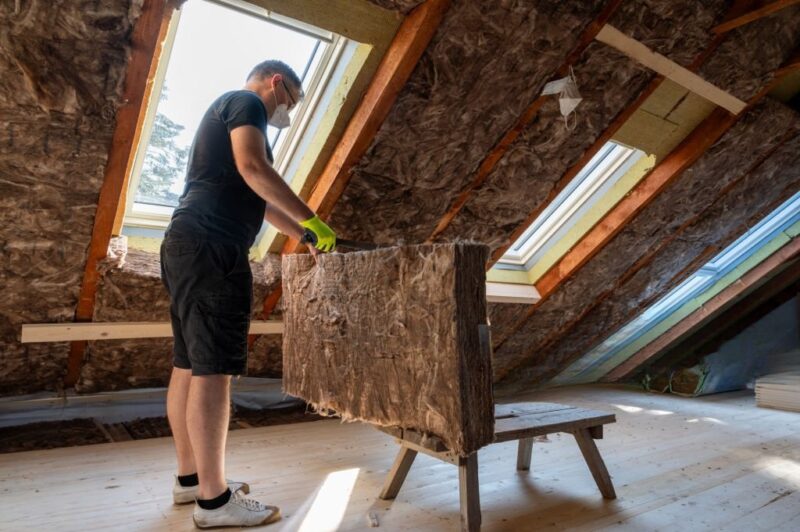
Some eco-friendly insulation materials are more DIY-friendly than others, but installation quality matters greatly regardless of who does the work. Materials such as wool batts, recycled cotton batts, or certain mineral wool products may be manageable for experienced homeowners in accessible attic spaces. However, blown-in cellulose, spray foam, or specialty natural insulation systems often require professional installation to achieve proper coverage, density, and performance. Professionals can also identify hidden issues like air leaks, ventilation problems, or moisture concerns that may affect insulation effectiveness. While DIY installation may reduce upfront labor costs, professional installation often provides better long-term performance and fewer costly mistakes.
Air Sealing Before Insulating
Before adding or upgrading attic insulation, air sealing should be a top priority. Gaps around attic hatches, recessed lighting, wiring penetrations, plumbing vents, duct openings, and framing joints allow conditioned air to escape and hot attic air to enter. This reduces insulation effectiveness by allowing air movement to bypass the thermal barrier. Sealing these leaks before installing insulation helps create a tighter building envelope, making the insulation work much more efficiently. Whether you choose cellulose, wool, hemp, spray foam, or another eco-friendly material, pairing insulation with proper air sealing delivers stronger energy savings and improved indoor comfort.
Ventilation Requirements
Attic ventilation is another critical factor that directly affects insulation performance and attic health. Proper airflow helps remove excess heat in summer and reduces moisture buildup throughout the year. Without ventilation, heat can become trapped in the attic, increasing cooling demands and placing additional stress on insulation. Excess moisture can also reduce insulation effectiveness and contribute to mold, mildew, or wood deterioration. A balanced ventilation system—typically involving intake vents such as soffit vents and exhaust vents such as ridge vents—helps regulate attic conditions so insulation can perform at its best. Good ventilation is especially important for breathable natural insulation materials that depend on proper moisture management.
Monitoring for Moisture and Settling
Once insulation is installed, periodic inspection helps maintain long-term performance. Homeowners should monitor attic insulation for signs of moisture intrusion, dampness, mold growth, roof leaks, or condensation issues that can compromise insulating value. Some insulation types, particularly blown-in materials like cellulose, may settle over time, reducing thickness and lowering effective R-value if additional material is not added. Natural fiber insulation may also need occasional checks to ensure it remains dry and evenly distributed. Regular attic inspections help catch small issues early, protect your insulation investment, and ensure your eco-friendly attic system continues delivering comfort, efficiency, and sustainability benefits over the long run.
4 Common Myths About Eco-Friendly Insulation
1. “Green Insulation Doesn’t Perform as Well”
One of the biggest myths is that eco-friendly insulation doesn’t provide the same level of thermal performance as traditional insulation. While it’s true that different materials have different R-values and performance characteristics, many sustainable insulation products perform exceptionally well. Cellulose offers strong thermal resistance and excellent blown-in coverage, wool and hemp provide reliable insulating value with added moisture benefits, and bio-based spray foam delivers high-performance air sealing and insulation in one system. Eco-friendly insulation can absolutely meet modern efficiency standards when the right material is selected and installed properly. In many cases, performance depends more on proper installation and attic design than whether the material is “green” or conventional.
2. “Eco-Friendly Means Too Expensive”
Another common misconception is that sustainable insulation is always significantly more expensive. While some premium natural materials—such as wool, cork, or hemp—may carry higher upfront costs, not all green insulation options are expensive. Cellulose, for example, is often one of the more affordable insulation materials available while still offering strong sustainability benefits due to its recycled content and lower manufacturing footprint. Even higher-cost eco-friendly options can provide long-term value through energy savings, durability, and healthier indoor air quality. When viewed over the life of the product, eco-friendly insulation can be a smart financial investment rather than simply a premium upgrade.
3. “Natural Materials Are Less Durable”
Some homeowners assume natural insulation materials break down quickly or can’t withstand long-term use, but many eco-friendly options are surprisingly durable. Sheep’s wool can maintain performance for decades while naturally managing moisture. Cork is highly resistant to pests, mold, and moisture while remaining structurally stable over time. Hemp insulation offers durability along with breathable moisture control, and mineral wool provides excellent long-term resistance to fire, moisture, and settling. Like any insulation product, durability depends on proper installation and attic conditions, but many natural and sustainable materials are built to last just as long—or longer—than some conventional alternatives.
4. “Only New Homes Can Use Sustainable Insulation”
A common myth is that eco-friendly insulation is only suitable for new green construction projects. In reality, sustainable insulation can be used in both new homes and retrofit upgrades. Blown-in cellulose is commonly added to existing attics, wool and cotton batts can replace older insulation in renovation projects, and spray-applied bio-based insulation can improve performance in existing homes where air sealing is needed. Many eco-friendly materials are flexible enough to work within traditional home construction, making them practical for attic upgrades without requiring a complete home rebuild. Homeowners looking to improve comfort, efficiency, and sustainability can often incorporate green insulation options into existing homes just as easily as conventional materials.
FAQs About Eco-Friendly Attic Insulation
The “most eco-friendly” attic insulation depends on what sustainability factors matter most to you. If recycled content is the top priority, cellulose insulation is often considered one of the greenest options because it is made primarily from recycled paper products and has relatively low embodied energy. If renewable sourcing is more important, natural materials like sheep’s wool, hemp, cork, and wood fiber insulation stand out because they come from renewable resources and are often biodegradable at the end of their usable life. For homeowners seeking a balance of performance, affordability, and sustainability, cellulose is often considered one of the best all-around eco-friendly insulation choices.
Not always. Some eco-friendly insulation options are priced similarly to conventional materials, while others come at a premium. Cellulose insulation, for example, is often affordable and competitive with standard insulation products while offering strong sustainability benefits. Materials like wool, hemp, cork, and recycled cotton insulation typically cost more upfront because of sourcing, manufacturing, and lower market availability. High-performance options like bio-based spray foam may also carry higher installation costs. However, it’s important to consider long-term value—better durability, improved energy savings, healthier indoor air quality, and reduced environmental impact can make eco-friendly insulation a worthwhile investment over time.
Among eco-friendly insulation options, bio-based spray foam alternatives generally offer the highest R-value per inch, making them one of the strongest performers in terms of thermal resistance and energy efficiency. Mineral wool also offers strong thermal performance and excellent long-term stability. Natural fiber options like wool, hemp, cotton, and cellulose provide solid insulating value but may require thicker layers to achieve the same thermal resistance as spray foam. The best option depends not only on R-value but also on how well the insulation handles air sealing, moisture control, and installation quality—factors that greatly influence real-world performance.
Yes, many natural insulation materials are considered excellent for indoor air quality. Materials such as sheep’s wool, recycled cotton, hemp, cork, and wood fiber insulation generally contain fewer synthetic chemicals, lower VOC levels, and fewer irritating airborne fibers compared to some conventional insulation products. They are often preferred by homeowners looking to reduce chemical exposure, minimize indoor irritants, and create a healthier living environment. Some natural materials, like wool, can even help regulate humidity and interact with certain indoor pollutants, supporting better overall indoor air quality when properly installed.
Eco-friendly insulation can last for decades when installed correctly and protected from moisture damage, pest issues, or major structural problems. Cellulose insulation can perform well long-term but may need occasional topping off if settling occurs over time. Mineral wool is highly durable and can maintain performance for many years with minimal degradation. Natural materials like wool, cork, hemp, and wood fiber insulation can also have long service lives when attic conditions are properly managed and ventilation is adequate. In many cases, the lifespan of eco-friendly insulation is comparable to—or even better than—traditional insulation, making it a strong long-term investment for comfort, efficiency, and sustainability.
The Greener the Attic, the Lighter the Bills!
Eco-friendly attic insulation in Sarasota is more than just a sustainable home upgrade—it’s an investment in comfort, efficiency, and healthier living. Whether you choose recycled cellulose, natural wool, hemp, cork, mineral wool, or plant-based spray foam, today’s green insulation options offer strong thermal performance while reducing environmental impact. By selecting the right material for your climate, insulation goals, and budget, you can lower energy use, improve indoor comfort, and create a home that performs better for years to come—all while making a more environmentally responsible choice.
If you’re ready to make your attic greener without giving up comfort or performance, Pino’s Air is a professional HVAC contractor in Sarasota and is here to help you find the right insulation solution for your home. We can help you compare eco-friendly options, identify the best fit for your attic, and create an insulation plan that improves efficiency while supporting your long-term sustainability goals. We also provide AC installation in Sarasota, AC replacement in Sarasota, air conditioning repair in Sarasota, AC maintenance in Sarasota, residential HVAC services in Sarasota, and commercial HVAC services in Sarasota. Whether you’re upgrading old insulation or starting fresh with a healthier, high-performance option, we’ll help you build a cooler, smarter home from the top down. Call us today at 941-564-9070 or contact us and let’s make your attic work naturally better.