Energy efficiency is a term homeowners encounter frequently when shopping for HVAC systems, appliances, windows, and other home improvements. Yet many people are unsure what efficiency ratings actually mean or how they affect everyday comfort and energy costs. With utility bills continuing to rise and homeowners looking for smarter ways to reduce energy consumption, understanding these ratings has become more important than ever.
Energy efficiency ratings are designed to help consumers compare products based on how effectively they use energy to perform their intended function. Whether you’re evaluating a new air conditioner, heat pump, furnace, refrigerator, or even replacement windows, these ratings can provide valuable insight into long-term performance and operating costs. By understanding common measurements such as SEER2, HSPF2, AFUE, Energy Star certification, and home energy scores, homeowners can make more informed decisions that support comfort, efficiency, and potential long-term savings. Knowing how these ratings work can help you choose upgrades that align with your home’s needs while maximizing value from every energy dollar spent.
What Are Energy Efficiency Ratings?
Energy efficiency ratings are measurements that help homeowners understand how well a product or system uses energy to perform its job. For HVAC systems, appliances, windows, and whole-home performance, these ratings make it easier to compare options and estimate long-term energy use. While ratings can sometimes feel technical, they are meant to give homeowners a clearer way to evaluate comfort, performance, and operating costs before making a purchase or upgrade.
Defining Energy Efficiency
Energy efficiency refers to how effectively a product uses energy to produce a desired result. For example, an efficient air conditioner can cool a home while using less electricity than a less efficient model. An efficient furnace can convert more fuel into usable heat with less waste. In simple terms, energy efficiency is about getting more performance from less energy.
Why Efficiency Ratings Exist
Efficiency ratings exist to create a standard way to measure and compare products. Without ratings, it would be difficult for homeowners to know whether one HVAC system, appliance, or window is more efficient than another. Ratings provide a common benchmark, allowing consumers to compare products based on measurable performance rather than marketing claims alone.
How Ratings Help Homeowners Compare Products
Energy efficiency ratings help homeowners compare equipment side by side. For HVAC systems, ratings such as SEER2, EER2, HSPF2, and AFUE can show how efficiently a system cools or heats. For appliances, EnergyGuide labels can estimate annual energy use and operating costs. For windows, ratings can show how well they resist heat transfer or block solar heat. These comparisons help homeowners choose products that match their budget, comfort goals, and long-term savings expectations.
Understanding Performance vs. Energy Use
A product’s performance is about how well it does its job, while energy use is about how much power or fuel it needs to do that job. The most efficient products are designed to provide strong performance with lower energy consumption. However, ratings should be considered alongside proper sizing, installation quality, home condition, and maintenance. A highly rated product may not deliver expected savings if it is installed incorrectly or used in the wrong application.
Why Energy Efficiency Matters for Long-Term Savings
Energy efficiency matters because small differences in energy use can add up over time. A more efficient HVAC system or appliance may cost more upfront, but it can help reduce monthly utility bills and operating costs over the life of the equipment. For homeowners in warm climates like Sarasota, where air conditioning is used frequently, understanding efficiency ratings can be especially valuable when planning upgrades that support comfort and long-term savings.
Why Homeowners Should Pay Attention to Energy Efficiency Ratings
Energy efficiency ratings help homeowners look beyond the initial purchase price and understand how a system or product may perform over time. Whether you are replacing an HVAC system, choosing new appliances, or planning home upgrades, these ratings can give you a clearer picture of energy use, comfort potential, and long-term operating costs. For Sarasota homeowners, where cooling needs are high for much of the year, paying attention to efficiency ratings can help you make smarter decisions for both comfort and savings.
Rising Energy Costs
As utility costs increase, homeowners are looking for ways to reduce unnecessary energy use without sacrificing comfort. Energy efficiency ratings make it easier to compare products based on expected performance and operating costs. A higher-efficiency HVAC system or appliance may help reduce monthly energy consumption, especially when replacing older, less efficient equipment.
Reducing Household Energy Consumption
Energy efficiency ratings help homeowners choose products that use less energy to perform the same job. This can make a meaningful difference in overall household energy consumption, particularly for systems that run frequently, such as air conditioners, water heaters, refrigerators, and heating equipment. Lower energy use can also reduce strain on home systems and support more efficient daily operation.
Improving Indoor Comfort
Efficient systems are often designed to perform more consistently, not just use less energy. For HVAC equipment, this may mean better temperature control, improved airflow, stronger humidity management, and quieter operation. In Florida homes, where heat and humidity can affect comfort quickly, choosing efficient equipment can help maintain a more stable and comfortable indoor environment.
Supporting Environmental Sustainability
Using less energy can also help reduce a home’s environmental impact. Energy-efficient products require less power to operate, which can contribute to lower overall energy demand. For homeowners who want to make more sustainable choices, efficiency ratings provide a useful way to identify products and upgrades that align with those goals while still supporting everyday comfort and convenience.
Making Smarter Purchasing Decisions
Energy efficiency ratings give homeowners a practical tool for comparing options before making a major purchase. Instead of focusing only on upfront cost, you can evaluate how much energy a product may use, how it may affect utility bills, and whether it fits your long-term goals. This helps you choose equipment that balances performance, comfort, cost, and value over time.
Understanding HVAC Energy Efficiency Ratings
HVAC energy efficiency ratings help homeowners compare heating and cooling systems based on how effectively they use energy. These ratings are especially useful when replacing an air conditioner, heat pump, or furnace because they provide a clearer picture of long-term performance and operating costs. For Sarasota homeowners, understanding HVAC ratings is important because cooling systems often run for much of the year, making efficiency a key factor in comfort and monthly utility expenses.
What SEER2 Means
SEER2 stands for Seasonal Energy Efficiency Ratio 2. It measures how efficiently an air conditioner or heat pump provides cooling over an entire cooling season. A higher SEER2 rating generally means the system can deliver more cooling while using less energy. SEER2 is especially important in warm climates like Florida, where air conditioning is used frequently and cooling efficiency can have a major impact on energy costs.
Understanding EER2 Ratings
EER2 stands for Energy Efficiency Ratio 2. Unlike SEER2, which measures seasonal efficiency, EER2 focuses on system performance under specific operating conditions. This can be useful when evaluating how efficiently a system performs during hotter weather or steady peak-demand conditions. For homeowners in Sarasota, EER2 can provide helpful insight into how an HVAC system may perform during intense cooling periods.
What HSPF2 Measures
HSPF2 stands for Heating Seasonal Performance Factor 2. It measures the heating efficiency of heat pumps over a heating season. The higher the HSPF2 rating, the more efficiently the heat pump can provide heat. While Sarasota homeowners rely more heavily on cooling than heating, HSPF2 can still matter for homes using heat pumps for year-round comfort.
AFUE Ratings for Furnaces
AFUE stands for Annual Fuel Utilization Efficiency. It measures how efficiently a furnace converts fuel into usable heat. For example, a furnace with a higher AFUE rating wastes less fuel during operation. While furnaces are less central to home comfort in Sarasota compared to air conditioners and heat pumps, AFUE is still important for homeowners evaluating heating equipment in cooler climates or homes with gas heating systems.
Why HVAC Efficiency Ratings Matter
HVAC efficiency ratings matter because they help homeowners understand potential energy use before investing in new equipment. A higher-rated system may cost more upfront, but it can reduce energy consumption, improve comfort, and lower operating costs over time. However, ratings are only one part of the decision. Proper sizing, professional installation, ductwork condition, thermostat settings, and routine maintenance all affect how efficiently the system performs in real life.
SEER2 Ratings Explained for Air Conditioners and Heat Pumps
When shopping for a new air conditioner or heat pump, one of the most important efficiency measurements you’ll encounter is the SEER2 rating. This rating helps homeowners compare how efficiently different systems use energy during cooling operation. Since air conditioning represents a significant portion of energy usage in Sarasota homes, understanding SEER2 ratings can help homeowners make informed decisions that balance comfort, efficiency, and long-term operating costs.
What SEER2 Measures
SEER2, or Seasonal Energy Efficiency Ratio 2, measures the cooling efficiency of an air conditioner or heat pump over an entire cooling season. It compares the amount of cooling a system provides to the amount of electricity it consumes. The higher the SEER2 rating, the more efficiently the system is designed to operate. SEER2 uses updated testing procedures that better reflect real-world operating conditions, providing homeowners with a more accurate picture of expected performance.
How Higher SEER2 Ratings Improve Efficiency
Higher SEER2 ratings generally indicate that a system can provide the same level of cooling while using less energy. High-efficiency systems often incorporate advanced technologies such as variable-speed compressors, improved fan motors, enhanced coil designs, and more sophisticated controls. These features help reduce energy waste and improve overall performance. For Sarasota homeowners who rely heavily on air conditioning, even small efficiency gains can contribute to lower energy consumption over time.
Typical SEER2 Rating Ranges
Modern air conditioners and heat pumps are available in a variety of SEER2 ratings. Entry-level systems typically offer lower efficiency ratings, while premium models can achieve significantly higher levels of performance. As ratings increase, systems often include additional features that improve comfort, humidity control, and operating efficiency. The appropriate range depends on the home’s cooling demands, budget, and long-term energy goals.
Choosing the Right SEER2 Rating for Your Home
The best SEER2 rating for your home depends on several factors, including climate, home size, insulation levels, cooling usage, and budget. In Sarasota’s warm climate, homeowners often benefit from higher-efficiency systems because cooling equipment operates for much of the year. However, selecting the highest available rating is not always necessary. A properly sized and professionally installed system with an appropriate SEER2 rating often provides the best balance of comfort, efficiency, and value.
Balancing Upfront Cost and Long-Term Savings
Higher-efficiency HVAC systems typically require a larger initial investment, but they may help reduce energy costs over the life of the equipment. Homeowners should consider how long they plan to stay in the home, their annual cooling usage, and their overall comfort goals when evaluating different efficiency levels. While a high SEER2 system may offer greater energy savings, the ideal choice is one that provides meaningful efficiency improvements while remaining within the homeowner’s budget and comfort expectations.
Understanding Heat Pump Efficiency Ratings
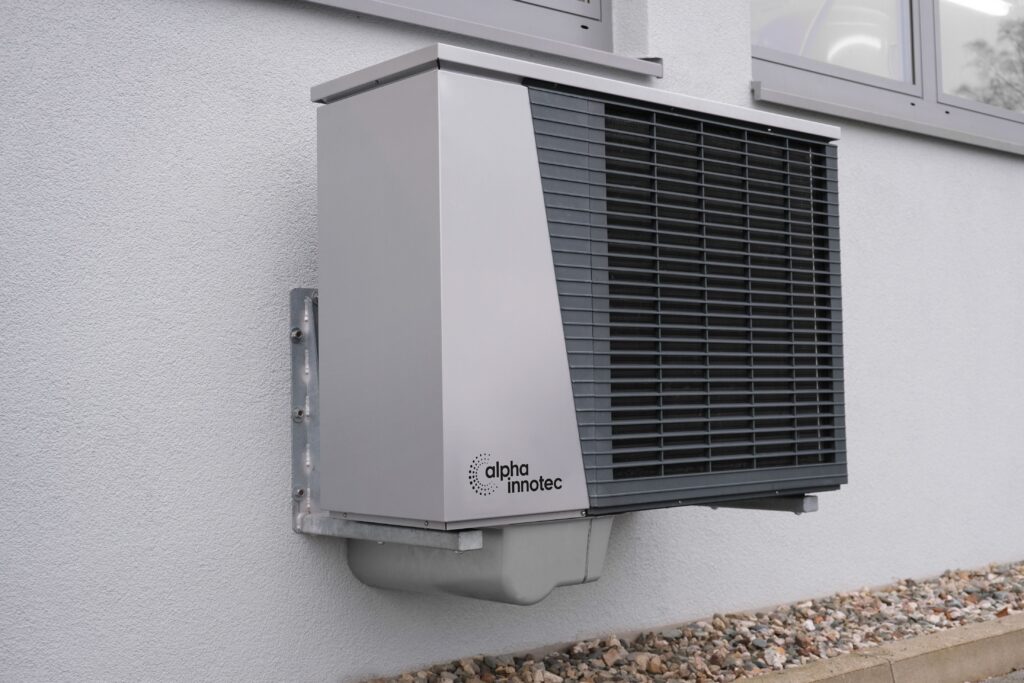
Heat pump efficiency ratings help homeowners understand how well a heat pump performs in both cooling and heating modes. Unlike a standard air conditioner, a heat pump can cool the home during warm weather and provide heat during cooler periods. Because of this dual function, heat pumps are evaluated using more than one efficiency rating. Understanding these ratings can help homeowners compare systems more confidently and choose equipment that fits their comfort needs, climate, and energy goals.
Heating and Cooling Efficiency Metrics
Heat pumps use different ratings to measure cooling and heating performance. SEER2 measures cooling efficiency, while HSPF2 measures heating efficiency. Some systems may also include EER2, which reflects cooling efficiency under specific operating conditions. Looking at all of these ratings together gives homeowners a fuller picture of how efficiently a heat pump can perform throughout the year, not just during one season.
HSPF2 Explained
HSPF2 stands for Heating Seasonal Performance Factor 2. It measures how efficiently a heat pump provides heat over a heating season. A higher HSPF2 rating generally means the system uses less electricity to deliver heat. While heating demand is usually lower in Sarasota than in colder regions, HSPF2 still matters for homeowners who want efficient year-round comfort from a single system.
SEER2 and Heat Pump Performance
SEER2 measures how efficiently a heat pump cools the home during the cooling season. For Sarasota homeowners, this rating is especially important because cooling is needed for much of the year. A higher SEER2 heat pump can help reduce cooling-related energy use while maintaining reliable comfort during hot and humid weather. Proper sizing, installation, airflow, and maintenance are also essential for achieving the expected efficiency.
Benefits of High-Efficiency Heat Pumps
High-efficiency heat pumps can offer several benefits, including lower energy use, improved indoor comfort, quieter operation, better humidity control, and more consistent temperatures. Many advanced heat pumps use variable-speed technology, allowing the system to adjust output based on real-time comfort needs. This helps reduce energy waste and can make the home feel more comfortable without frequent temperature swings.
Heat Pumps in Warm Climates
Heat pumps can be a practical choice in warm climates like Sarasota because they provide efficient cooling and can also handle mild heating needs when temperatures drop. Since Florida homes often need more cooling than heating, choosing a heat pump with strong SEER2 performance is especially important. A properly selected heat pump can provide year-round comfort while helping homeowners manage energy use more efficiently.
5 Factors That Affect a Home’s Energy Efficiency
1. HVAC System Efficiency
The efficiency of the HVAC system plays a major role in overall home energy consumption. Older equipment or systems with lower efficiency ratings often require more energy to maintain comfortable indoor temperatures. Newer high-efficiency air conditioners, heat pumps, and furnaces are designed to provide the same level of comfort while using less energy. Proper system sizing, professional installation, and routine maintenance are also important for maximizing HVAC efficiency.
2. Insulation Quality
Insulation helps slow the transfer of heat between the indoors and outdoors. Homes with insufficient or aging insulation may gain heat more quickly during the summer and lose conditioned air more easily. This forces the HVAC system to work harder and run longer. Proper insulation in attics, walls, and other areas can help maintain indoor temperatures more effectively and reduce overall energy demand.
3. Air Sealing and Draft Prevention
Even a well-insulated home can lose energy through small gaps and air leaks. Openings around doors, windows, ductwork, plumbing penetrations, and electrical fixtures can allow conditioned air to escape while letting outdoor air enter. Air sealing helps reduce drafts and minimizes unnecessary energy loss. Improving a home’s air barrier can enhance comfort and help HVAC systems operate more efficiently.
4. Window and Door Performance
Windows and doors can significantly affect a home’s energy efficiency. Older or poorly sealed windows may allow heat to enter during hot weather, increasing cooling demands. Energy-efficient windows with improved glazing, low-emissivity coatings, and better insulation properties can help reduce heat transfer. Well-sealed exterior doors can also help prevent conditioned air from escaping and improve overall comfort.
5. Household Energy Habits
Everyday habits influence energy consumption more than many homeowners realize. Thermostat settings, appliance usage, lighting choices, and general energy awareness all affect utility costs. Leaving doors open frequently, setting temperatures lower than necessary, running appliances during peak demand periods, or neglecting routine maintenance can increase energy use. Small adjustments to daily habits can complement efficient equipment and help maximize long-term energy savings.
5 Common Misconceptions About Energy Efficiency Ratings
1. Higher Ratings Always Mean Lower Bills
A higher efficiency rating can help reduce energy use, but it does not automatically guarantee lower utility bills in every situation. Your actual savings depend on how often the equipment runs, thermostat settings, home insulation, ductwork condition, local weather, and maintenance habits. For example, a high-SEER2 air conditioner may still use more energy than expected if the home has air leaks or poor insulation. Ratings are helpful, but they work best when paired with a well-maintained and efficient home.
2. Equipment Efficiency Alone Solves Every Problem
Efficient equipment is important, but it cannot fix every issue on its own. If ductwork is leaking, insulation is weak, airflow is restricted, or the system is incorrectly sized, even high-efficiency equipment may not perform as expected. Homeowners should think of energy efficiency as a whole-home strategy. HVAC upgrades, insulation improvements, air sealing, smart thermostat use, and routine maintenance all work together to improve comfort and reduce energy waste.
3. Bigger Systems Are More Efficient
A bigger HVAC system is not automatically better or more efficient. In fact, an oversized system can create comfort and efficiency problems. If an air conditioner cools the home too quickly, it may shut off before removing enough humidity from the air. This can leave the home feeling sticky while causing frequent cycling, added wear, and higher energy use. Proper sizing is essential for getting the best performance from any HVAC system.
4. Newer Equipment Is Always the Best Choice
Newer equipment often offers improved technology and better efficiency ratings, but replacement is not always the only answer. If an existing system is still in good condition, properly sized, and maintained well, repairs or performance improvements may make sense. On the other hand, if the system is old, unreliable, inefficient, or expensive to repair, replacement may be the better investment. A professional evaluation can help homeowners decide whether maintenance, repair, or replacement offers the best value.
5. Ratings Eliminate the Need for Maintenance
Energy efficiency ratings do not replace regular maintenance. Even highly rated equipment can lose efficiency if filters are dirty, coils are clogged, refrigerant levels are incorrect, or airflow is restricted. Routine maintenance helps the system perform closer to its rated efficiency and reduces the risk of breakdowns. To get the most from any energy-efficient system, homeowners should keep up with filter changes, inspections, cleaning, and professional tune-ups.
FAQs About Energy Efficiency Ratings
The most important HVAC efficiency rating depends on the type of system you are evaluating. For air conditioners and heat pumps in cooling mode, SEER2 is usually one of the most important ratings because it measures seasonal cooling efficiency. For heat pumps in heating mode, HSPF2 matters. For furnaces, AFUE is the key rating. Sarasota homeowners often focus most on SEER2 because cooling demand is high for much of the year.
A higher SEER2 rating generally means better cooling efficiency, but it is not always the best choice for every home. The ideal rating depends on your home size, ductwork, insulation, cooling habits, budget, and long-term plans. A properly sized and professionally installed system with the right SEER2 rating may deliver better value than the highest-rated system installed in the wrong setting.
Energy Star certification means a product meets energy-efficiency standards set by the Energy Star program. For HVAC systems, appliances, windows, and other products, the label helps homeowners identify options designed to use less energy while still delivering reliable performance. It is a helpful comparison tool when shopping for efficient home upgrades.
Efficiency ratings can affect utility bills by showing how much energy a system or product may use during operation. Higher-efficiency equipment typically uses less energy to perform the same task, which may help reduce monthly costs. However, actual savings depend on usage habits, installation quality, home insulation, ductwork condition, maintenance, and local weather.
A HERS score, or Home Energy Rating System score, measures a home’s overall energy efficiency. It is commonly used to compare a home’s energy performance against a standard reference home. A lower HERS score generally indicates a more energy-efficient home. Unlike equipment-specific ratings such as SEER2 or AFUE, a HERS score looks at the whole home, including insulation, air leakage, windows, HVAC equipment, and other efficiency factors.
Energy-efficient upgrades can be worth the investment when they reduce energy use, improve comfort, and support long-term savings. The value depends on the upgrade, upfront cost, expected energy savings, home condition, and how long you plan to stay in the home. HVAC upgrades, insulation improvements, smart thermostats, and air sealing can all provide strong benefits when chosen and installed properly.
Efficiency ratings themselves do not improve comfort, but choosing higher-performing equipment based on those ratings can help. Efficient HVAC systems often provide better temperature control, improved airflow, quieter operation, and stronger humidity management. When combined with proper sizing, installation, and maintenance, efficient equipment can make the home feel more comfortable and consistent.
Homeowners should have their HVAC system evaluated at least once a year, especially in climates where heating or cooling equipment runs frequently. In Sarasota, annual or twice-yearly HVAC maintenance can help ensure the system is operating efficiently before and during heavy cooling seasons. Regular evaluations can identify airflow problems, dirty components, refrigerant issues, aging parts, and other factors that may reduce efficiency.
Don’t let Energy Dollars Slip through the Cracks!
Energy efficiency ratings help homeowners compare HVAC systems, appliances, windows, and whole-home upgrades with more confidence. By understanding ratings like SEER2, HSPF2, AFUE, Energy Star certification, and home energy scores, you can make smarter decisions that support lower energy use, better indoor comfort, and stronger long-term value. These ratings are especially helpful when planning HVAC upgrades because they show how efficiently a system may perform, but they should always be considered alongside proper sizing, installation quality, insulation, air sealing, ductwork condition, and regular maintenance.
If you want to improve your home’s efficiency and reduce unnecessary energy waste, we’re here to help. At Pino’s Air Conditioning and Heating as a reliable HVAC contractor in Sarasota, we can evaluate your current HVAC system, explain your efficiency ratings in simple terms, and recommend air conditioning repair in Sarasota, AC maintenance in Sarasota, AC installation in Sarasota, AC replacement in Sarasota, attic insulation in Sarasota, indoor air quality in Sarasota, or upgrade options that fit your home, comfort needs, and budget. Whether you are comparing high-efficiency equipment or trying to lower cooling costs in Sarasota’s warm climate, our team can help you make a smart choice. Call us today at 941-564-9070 or contact us to schedule your HVAC efficiency consultation.