Homeowners associations (HOAs) play an important role in maintaining neighborhood appearance, property values, and community standards. While many homeowners understand that HOA approval may be required for projects such as landscaping, fencing, or exterior renovations, they are often surprised to learn that HVAC work can also fall under HOA regulations. Depending on the community, replacing an air conditioner, installing a heat pump, relocating outdoor equipment, or adding a mini-split system may require review and approval before work can begin.
Understanding HOA requirements before starting an HVAC project can help homeowners avoid delays, fines, unexpected costs, and installation complications. Many associations have rules regarding equipment placement, visibility, noise levels, screening requirements, and architectural consistency. These guidelines can affect everything from where an outdoor condenser is located to which types of equipment are permitted within the community. In this guide, we’ll explore how HOA rules can impact residential HVAC work, what homeowners should know before scheduling a project, and how proper planning can help ensure a smooth installation process.
Understanding the Role of an HOA in Home Improvements
Before starting any HVAC project in an HOA-governed community, it is important to understand how the association influences home improvement decisions. While HOAs are often associated with landscaping, exterior paint colors, and community amenities, they can also have specific requirements that affect HVAC installations, replacements, and equipment placement. Knowing how these rules work can help homeowners avoid unnecessary delays and ensure projects move forward smoothly.
What Is a Homeowners Association?
A homeowners association, or HOA, is an organization that manages and oversees a residential community. HOAs are typically responsible for maintaining common areas, enforcing community standards, and helping preserve property values. When homeowners purchase a property within an HOA community, they generally agree to follow the association’s governing documents and regulations.
Why HOAs Regulate Exterior Property Changes
One of the primary goals of an HOA is to maintain a consistent appearance throughout the neighborhood. To achieve this, many associations regulate exterior changes that could affect the visual character of the community. These rules often apply to fences, landscaping, additions, roofing, exterior paint, and HVAC equipment that may be visible from streets, neighboring homes, or common areas.
How HOA Covenants, Conditions, and Restrictions (CC&Rs) Work
Most HOA rules are outlined in documents known as Covenants, Conditions, and Restrictions, commonly referred to as CC&Rs. These documents establish what homeowners can and cannot do with their property. CC&Rs often include guidelines related to exterior modifications, equipment placement, noise standards, architectural consistency, and approval procedures. Reviewing these documents before planning HVAC work can help homeowners understand any restrictions that may apply.
Architectural Review Committees Explained
Many HOAs use an Architectural Review Committee (ARC) or Architectural Control Committee (ACC) to evaluate proposed exterior changes. This committee reviews applications, plans, and supporting documents to determine whether a project complies with community standards. Depending on the HOA, homeowners may need to submit equipment specifications, site plans, drawings, or installation details before receiving approval for HVAC work.
Why HVAC Projects Often Require HOA Oversight
HVAC projects frequently involve equipment that affects a home’s exterior appearance, noise levels, or property layout. Outdoor condensers, heat pumps, mini-split units, refrigerant lines, and roof-mounted equipment may all fall under HOA review. Associations often want to ensure that HVAC installations meet community guidelines regarding visibility, placement, screening, and sound levels. By understanding HOA oversight requirements early in the planning process, homeowners can avoid surprises and keep their HVAC projects on schedule.
Why HVAC Projects Are Commonly Regulated by HOAs
HVAC projects are often regulated by HOAs because they can affect the exterior appearance, sound levels, and overall consistency of a community. While an air conditioner or heat pump is essential for home comfort, the outdoor equipment may be visible from neighboring homes, sidewalks, streets, or shared spaces. For this reason, many associations require homeowners to follow specific guidelines before installing, replacing, or relocating HVAC equipment.
Maintaining Neighborhood Appearance
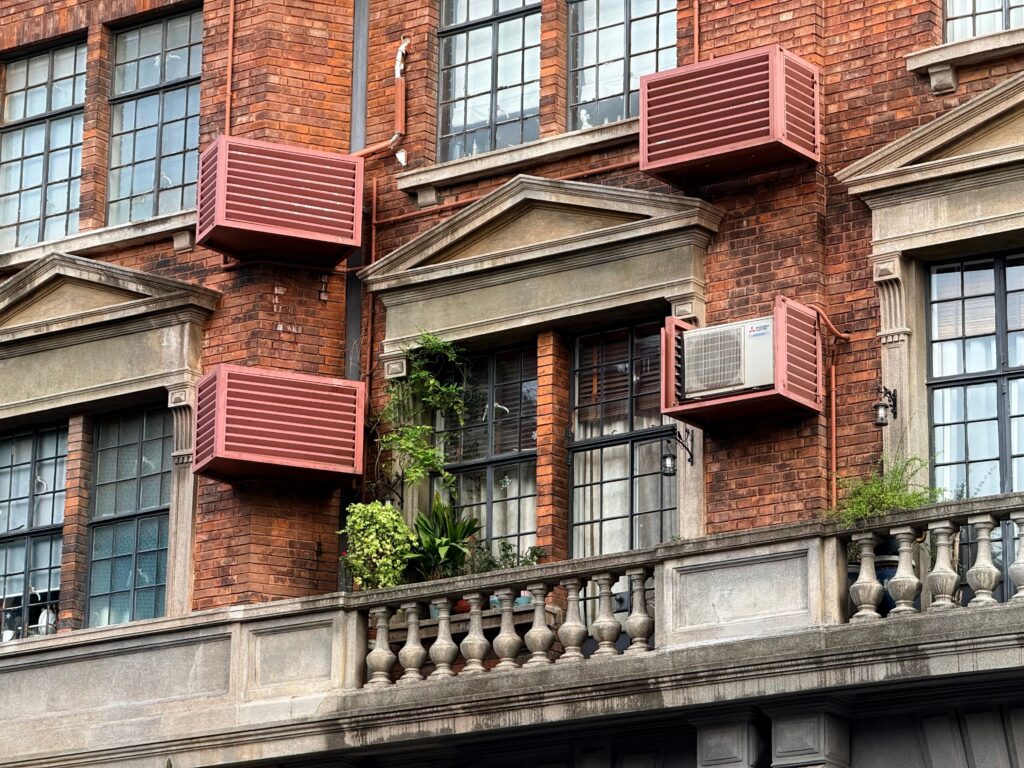
HOAs commonly regulate HVAC equipment to help preserve a clean and consistent neighborhood appearance. Outdoor condenser units, line sets, wall-mounted mini-split components, and screening materials can all affect how a property looks from the outside. HOA guidelines may require equipment to be placed in less visible areas or screened with approved fencing, landscaping, or enclosures.
Noise Control Considerations
HVAC systems naturally produce some sound during operation, especially outdoor condensers and heat pumps. HOAs may set noise-related guidelines to reduce disturbances between neighboring homes. This is especially important in communities where homes are close together. Newer, quieter equipment may help meet HOA expectations, but homeowners should still confirm any sound rating requirements before installation.
Property Value Protection
Many HOA rules are intended to protect property values by maintaining a consistent and well-kept community environment. Poorly placed or visibly disruptive HVAC equipment can affect curb appeal and may create concerns among neighbors. By regulating HVAC installations, HOAs aim to ensure that necessary mechanical equipment does not negatively impact the appearance or perceived value of surrounding properties.
Equipment Visibility Requirements
Some HOAs have rules about where HVAC equipment can be placed and how visible it can be from public or shared areas. A replacement unit installed in the same location may be simple to approve, while a relocated unit, mini-split outdoor unit, or rooftop system may require more review. Visibility requirements may also apply to refrigerant lines, electrical connections, condensate drains, and protective covers.
Community-Wide Design Standards
HOAs often use community-wide design standards to keep exterior modifications consistent across homes. These standards may address equipment size, color, screening, placement, setbacks, sound levels, and approved installation methods. Understanding these standards before scheduling HVAC work helps homeowners avoid delays, rejected applications, or the need to modify the project after installation.
6 Types of HVAC Work That May Require HOA Approval
1. Air Conditioner Replacements
Replacing an air conditioner may require HOA approval, even if the new unit is going in the same location. Some HOAs want to review equipment size, appearance, sound ratings, and placement before installation. If the replacement unit is larger, taller, louder, or more visible than the existing system, approval may be especially important.
2. Heat Pump Installations
Heat pump installations may also fall under HOA review because they include outdoor equipment similar to a central AC system. Since heat pumps operate for both cooling and heating, associations may consider sound levels, unit placement, and neighborhood visibility. Homeowners should confirm whether the HOA requires documentation before installing or replacing a heat pump.
3. Relocating Outdoor Condenser Units
Moving an outdoor condenser unit is one of the HVAC projects most likely to require HOA approval. Relocation can affect property appearance, neighbor proximity, sound exposure, landscaping, and access areas. HOAs may require a site plan showing the proposed location, distance from property lines, screening plans, and equipment specifications.
4. New Ductwork and Vent Locations
Ductwork located inside the home may not always need HOA approval, but exterior vents, wall penetrations, roof vents, or visible changes may be regulated. If the project involves adding or changing exterior vent locations, homeowners should check with the HOA first. This is especially important when modifications can be seen from streets, shared areas, or neighboring properties.
5. Mini-Split System Installations
Mini-split systems often require HOA approval because they may involve outdoor units, wall-mounted indoor units, visible refrigerant line covers, condensate drains, and exterior wall penetrations. Associations may have rules about where outdoor units can be placed and how line sets must be routed or screened. Planning ahead helps avoid rejected installations or required changes later.
6. Roof-Mounted HVAC Equipment
Roof-mounted HVAC equipment is commonly regulated because it can affect the appearance of the home and may be visible from nearby properties or common areas. HOAs may restrict rooftop equipment or require specific screening, placement, or design standards. Homeowners should always confirm both HOA rules and local building requirements before planning any roof-mounted HVAC installation.
6 Common HOA HVAC Rules Homeowners Should Know
1. Equipment Placement Restrictions
Many HOAs have specific rules about where outdoor HVAC equipment can be installed. These rules may limit equipment placement to side yards, backyards, or areas that are not visible from the street. Some associations may also require equipment to be a certain distance from property lines, neighboring homes, windows, patios, or common areas. If you plan to relocate a condenser or install a new outdoor unit, placement restrictions should be reviewed before work begins.
2. Screening and Landscaping Requirements
HOAs may require outdoor HVAC units to be screened from view using approved fencing, landscaping, lattice, walls, or enclosures. These screening materials often need to match the home’s exterior or follow community design standards. Homeowners should also make sure screening does not block airflow or restrict technician access, since outdoor units need proper clearance for efficient operation and future maintenance.
3. Noise Limitations
HVAC noise is another common HOA concern, especially in neighborhoods where homes are close together. Associations may have rules about maximum sound levels or may require quieter equipment for replacement projects. When choosing a new system, homeowners may need to provide sound rating information as part of the approval process. Installing quieter, properly sized equipment can help reduce the risk of neighbor complaints.
4. Exterior Appearance Guidelines
Exterior appearance guidelines may apply to any HVAC component visible outside the home. This can include outdoor condensers, refrigerant line covers, wall penetrations, roof-mounted equipment, vents, and mini-split components. HOAs may regulate colors, materials, placement, and how visible these items are from streets or common areas. Following these guidelines helps ensure the installation blends with the property and neighborhood.
5. Approved Equipment Specifications
Some HOAs may ask homeowners to submit equipment specifications before approving HVAC work. These specifications can include the unit model, size, dimensions, efficiency rating, sound rating, installation location, and screening details. In some communities, equipment must meet certain standards for appearance, efficiency, or noise. Providing complete information early can help speed up the approval process.
6. Permit and Documentation Requirements
HOA approval is separate from local permitting requirements. Even if the association approves the project, homeowners may still need municipal permits, licensed contractor documentation, or inspection records. Some HOAs may ask for copies of permits, contractor licenses, equipment specifications, site plans, or installation proposals before work begins. Keeping documentation organized can help the project move forward more smoothly.
HVAC Equipment Placement Rules
HVAC equipment placement is one of the most common areas where HOA rules affect residential HVAC work. Outdoor condensers, heat pumps, mini-split units, and related components can influence curb appeal, noise exposure, neighbor concerns, and maintenance access. Before installing or moving equipment, homeowners should confirm where the HOA allows units to be placed and what documentation may be required for approval.
Side Yard Installation Requirements
Many HOAs prefer HVAC equipment to be installed in the side yard because it keeps the unit less visible from the front of the home. However, side yard installations may still need to meet clearance, setback, screening, and noise requirements. Homeowners should make sure the location allows proper airflow around the unit and enough room for technicians to service the equipment safely.
Backyard Placement Restrictions
Some associations allow backyard placement, while others restrict it if the equipment is visible from neighboring properties, patios, golf courses, walking paths, or community spaces. If a backyard location is requested, the HOA may require screening with approved landscaping, fencing, or other materials. The location should also avoid areas prone to flooding, poor drainage, or blocked airflow.
Distance from Property Lines
HOA rules may require outdoor HVAC equipment to be installed a certain distance from property lines, neighboring homes, windows, or shared walls. These spacing rules are often intended to reduce noise concerns, preserve access, and maintain community standards. Local building codes may also include setback or clearance requirements, so homeowners should consider both HOA rules and municipal regulations before finalizing placement.
Visibility from Streets and Common Areas
Many HOAs limit equipment visibility from streets, sidewalks, driveways, and common areas. If the unit can be seen from public-facing areas, the association may require it to be moved, screened, or enclosed according to approved design standards. This can also apply to refrigerant line covers, condensate drains, electrical connections, and other exterior components related to the HVAC system.
Access Requirements for Maintenance and Repairs
While HOA rules often focus on appearance, HVAC equipment still needs enough access for maintenance and repairs. Outdoor units require proper clearance for airflow, cleaning, inspections, and safe service. Screening materials, fences, or landscaping should not block technicians from reaching the unit or restrict the system’s operation. A good equipment location balances HOA compliance with long-term HVAC performance and serviceability.
HOA Rules for HVAC Noise Levels
HOA rules for HVAC noise levels are designed to keep the community comfortable for everyone. Outdoor condensers and heat pumps naturally make sound while operating, but excessive noise can disturb nearby neighbors, patios, bedrooms, or shared spaces. Because homes in HOA communities may be close together, many associations review HVAC sound levels before approving replacements, relocations, or new installations.
Why Noise Restrictions Exist
Noise restrictions help prevent disputes between neighbors and protect the overall quality of life within the community. An HVAC unit that is too loud, poorly placed, or installed near a neighboring window can quickly become a concern. HOAs may set rules to ensure equipment operates within acceptable sound levels and does not create an ongoing disturbance.
Typical HOA Noise Standards
Noise standards vary by community. Some HOAs may list maximum decibel limits, while others may require equipment to be placed away from bedrooms, patios, property lines, or shared spaces. Homeowners may also be asked to submit equipment sound ratings before installation. Since each HOA has different rules, it is important to review the association documents before choosing a new HVAC system.
Newer HVAC Equipment and Sound Ratings
Many newer HVAC systems are designed to operate more quietly than older models. Manufacturers often provide sound ratings that show how loud the outdoor unit is during operation. These ratings can be helpful when submitting an HOA approval request. Choosing quieter equipment may also reduce the risk of neighbor complaints and improve outdoor comfort around the home.
Noise Reduction Solutions
If noise is a concern, there are several possible solutions. Homeowners may consider quieter equipment, proper unit placement, vibration pads, sound blankets designed for HVAC equipment, approved screening, or landscaping that helps reduce sound exposure. However, any screening or enclosure must still allow proper airflow and service access so the system can operate safely and efficiently.
Preventing Neighbor Complaints
The best way to prevent neighbor complaints is to plan HVAC placement and equipment selection carefully before installation. Homeowners should confirm HOA requirements, choose appropriately rated equipment, avoid placing units too close to neighboring living spaces, and maintain the system regularly. A well-maintained HVAC unit is often quieter and more reliable than one with loose parts, worn components, or airflow problems.
HVAC Replacement Projects and HOA Considerations
HVAC replacement projects can seem straightforward, especially when the new system is replacing old equipment. However, in an HOA community, even a basic replacement may require review if the work affects the home’s exterior appearance, equipment size, sound level, placement, or visibility. Before scheduling installation, homeowners should confirm HOA requirements so the project does not run into approval delays or compliance issues.
Replacing Equipment in the Same Location
Replacing HVAC equipment in the same location may be easier to approve, but it is not always automatically allowed. Some HOAs still require homeowners to submit equipment details, contractor information, sound ratings, or installation plans. If the new unit is similar in size, appearance, and noise level to the old system, the approval process may be simpler. Still, homeowners should verify requirements before work begins.
Upgrading to Larger or Different Systems
Upgrading to a larger unit or switching to a different type of system may require additional HOA review. A larger condenser may be more visible, produce different sound levels, or require changes to the existing installation area. If the project involves new concrete pads, relocated equipment, modified line sets, or altered exterior components, the HOA may ask for site plans and equipment specifications before granting approval.
Energy-Efficient HVAC Installations
Energy-efficient HVAC upgrades can benefit homeowners through improved comfort and lower energy use, but they still need to follow HOA guidelines. Even if the new system is more efficient, the association may review equipment placement, size, visibility, and sound ratings. Homeowners should gather manufacturer specifications and installation details to show that the proposed equipment meets both comfort goals and community standards.
Heat Pump Conversion Projects
Converting from a traditional air conditioner to a heat pump may require HOA approval because the outdoor unit may operate differently and run during both cooling and heating seasons. The association may review noise levels, equipment dimensions, placement, and any exterior modifications needed for the conversion. Since heat pumps can be a practical option for Florida homes, homeowners should coordinate early with both their HVAC contractor and HOA.
Coordinating HOA Approval with Installation Schedules
HOA approval timelines can affect when HVAC replacement work can be completed. Some associations review applications quickly, while others meet only on specific dates or require several documents before making a decision. Homeowners should avoid scheduling installation before approval is confirmed unless the HOA clearly allows emergency replacements. Planning ahead helps prevent project delays, rescheduling issues, and potential fines.
Permits, Building Codes, and HOA Rules
HOA approval is only one part of planning residential HVAC work. Homeowners may also need to follow local building codes, permit requirements, contractor licensing rules, and inspection processes. While HOA rules focus on community standards, appearance, placement, and noise concerns, local codes are designed to ensure the HVAC work is safe, legal, and properly installed. Understanding both sets of requirements can help homeowners avoid delays, fines, and compliance problems.
Understanding the Difference Between HOA Rules and Local Codes
HOA rules are created and enforced by the homeowners association, while local codes are established by the city, county, or other governing authority. An HOA may regulate where equipment can be placed, how visible it is, or whether screening is required. Local codes, on the other hand, address safety, electrical work, refrigerant handling, equipment clearances, drainage, and installation standards. Both can apply to the same HVAC project.
Municipal Permit Requirements
Many HVAC replacements, installations, relocations, or major modifications require a municipal permit. Permit requirements vary by location and project type, but they are commonly needed for equipment replacement, electrical connections, refrigerant work, duct modifications, and new system installations. Homeowners should confirm permit requirements before work begins so the project remains compliant with local regulations.
Contractor Licensing Requirements
HVAC work should be performed by properly licensed and qualified contractors. Licensing helps ensure that the contractor understands local codes, safety requirements, installation standards, and proper equipment handling. In HOA communities, associations may also request contractor information, proof of insurance, equipment specifications, or project documents before approving the work.
Inspection Processes
After certain HVAC projects are completed, a local inspection may be required to verify that the work meets code. Inspectors may review equipment installation, electrical connections, condensate drainage, refrigerant lines, clearances, ductwork, and overall safety. Passing inspection helps confirm that the system was installed properly and that the work complies with applicable building requirements.
Why HOA Approval Does Not Replace Permits
HOA approval does not replace local permits, and a permit does not automatically mean the HOA has approved the project. These are separate processes with different purposes. A homeowner may need both HOA approval and municipal permits before HVAC work can begin. To avoid problems, it is best to confirm HOA requirements, permit needs, and contractor responsibilities early in the planning process.
How HVAC Contractors Can Help Navigate HOA Requirements
An experienced HVAC contractor can help make HOA-regulated projects easier to plan and manage. While homeowners are usually responsible for submitting HOA applications, a contractor can provide the technical information and project details needed for approval. This support can help reduce confusion, prevent missing documentation, and keep the HVAC project moving forward more smoothly.
Providing Equipment Specifications
HOAs may request equipment specifications before approving HVAC work. An HVAC contractor can provide details such as the system model, dimensions, efficiency rating, sound rating, installation requirements, and manufacturer information. These specifications help the HOA understand what equipment will be installed and whether it meets community guidelines for appearance, size, and noise.
Creating Site Layout Drawings
If the project involves placing or relocating outdoor equipment, the HOA may ask for a site layout or placement plan. HVAC contractors can help identify a practical location that allows proper airflow, service access, drainage, and code compliance. A clear layout can also show where the unit will sit in relation to property lines, walls, landscaping, fences, and neighboring homes.
Supporting HOA Application Packages
A complete HOA application package may include equipment specifications, contractor details, permit information, photos, site plans, and proposed screening materials. HVAC contractors can help gather many of these documents so homeowners can submit a more complete request. A well-prepared application may reduce back-and-forth communication and help avoid approval delays.
Recommending HOA-Friendly Equipment
Some HVAC systems are better suited for HOA communities than others. Contractors can recommend equipment with quieter operation, compact dimensions, efficient performance, and installation flexibility. If the HOA has specific sound, size, or visibility requirements, an HVAC professional can help homeowners choose a system that meets comfort needs while staying within community standards.
Coordinating Installation After Approval
Once HOA approval is granted, the contractor can coordinate the installation schedule, equipment delivery, permit requirements, and final setup. Waiting for approval before installation helps homeowners avoid fines, required relocation, or project changes. A contractor familiar with HOA expectations can help ensure the installation follows the approved plan while still meeting HVAC performance and safety requirements.
HOA Rules and HVAC Work in Florida Communities
HOA rules can have a major impact on HVAC work in Florida communities because cooling systems are essential, heavily used, and often visible from the outside of the home. In areas like Sarasota, homeowners need reliable air conditioning to manage heat and humidity, but they may still need to follow community guidelines for equipment placement, appearance, sound levels, and documentation. Understanding these local considerations can help homeowners plan HVAC projects more smoothly.
Florida’s Growing HOA Communities
Many Florida neighborhoods are managed by HOAs, especially newer residential communities, planned developments, condos, townhomes, and gated neighborhoods. These associations often have detailed rules about exterior changes, including HVAC-related work. Homeowners in these communities should review HOA requirements before scheduling major HVAC projects, even if the work seems routine.
Climate-Driven HVAC Replacement Needs
Florida’s long cooling season means HVAC systems often work harder and may need replacement sooner than systems in milder climates. Because replacements can be urgent during hot and humid weather, homeowners should understand HOA approval requirements before an emergency occurs. Planning ahead can help avoid delays when equipment fails or needs to be upgraded.
Humidity and Equipment Placement Considerations
Humidity is a major factor in Florida HVAC performance. Outdoor equipment must be placed where it can receive proper airflow, drain correctly, and remain accessible for maintenance. However, HOA placement rules may limit where units can go. The best solution balances community requirements with HVAC performance, moisture management, and long-term service access.
Coastal Environmental Factors
Coastal areas like Sarasota can expose HVAC equipment to salt air, humidity, storms, wind-driven rain, and corrosion risks. Homeowners may need equipment or installation options designed to better withstand local conditions. HOAs may also have rules about hurricane protection, equipment anchoring, screening, or exterior materials. These factors should be considered when selecting and placing HVAC equipment.
Local HOA Trends Homeowners Should Know
Many Florida HOAs focus on keeping HVAC equipment quiet, screened, and visually consistent with the surrounding homes. Homeowners may be asked to provide model numbers, equipment dimensions, sound ratings, contractor information, permits, or site plans before approval. Since each HOA has different standards, it is best to confirm requirements early and work with an HVAC contractor who understands local climate needs and community guidelines.
How Pino’s Air Helps Homeowners with HOA HVAC Projects
Pino’s Air Conditioning and Heating helps Sarasota homeowners plan HVAC projects that support comfort, efficiency, and HOA compliance. Whether you are replacing an outdoor condenser, installing a heat pump, upgrading to a quieter system, or planning a more energy-efficient HVAC solution, our team can provide the guidance and technical details needed to make the process easier. We help homeowners understand what may be required before installation so they can avoid unnecessary delays, project changes, or approval issues.
HOA-Friendly HVAC Recommendations
Pino’s Air can recommend HVAC equipment that fits both your comfort needs and common HOA requirements. This may include quieter outdoor units, compact equipment designs, energy-efficient systems, and options that are easier to screen or place discreetly. Our goal is to help you choose a system that performs well in Sarasota’s climate while respecting your community’s standards.
Equipment Placement Guidance
Outdoor equipment placement can affect HOA approval, system performance, airflow, drainage, noise levels, and future service access. Pino’s Air can help identify practical placement options that balance HOA rules with proper HVAC operation. We consider visibility, clearance, property layout, surrounding structures, landscaping, and accessibility before recommending the best location.
Documentation and Specification Support
Many HOAs request documentation before approving HVAC work. Pino’s Air can provide equipment specifications, model information, dimensions, efficiency ratings, sound ratings, and installation details to support your HOA application. Having accurate documentation ready can help homeowners submit a stronger application and reduce delays during the approval process.
Professional HVAC Installation Services
Once HOA approval and any required permits are in place, Pino’s Air can professionally complete the AC installation in Sarasota according to the approved plan. Our team focuses on proper equipment setup, safe electrical and refrigerant connections, airflow performance, condensate drainage, and system testing. A quality installation helps protect both comfort and long-term equipment reliability.
Energy-Efficient Upgrade Solutions
HOA requirements do not have to prevent homeowners from improving HVAC efficiency. Pino’s Air can recommend energy-efficient air conditioners, heat pumps, smart thermostats, and system upgrades that align with both performance goals and community guidelines. These solutions can help reduce energy waste, improve humidity control, and support better comfort during Florida’s long cooling season.
Ongoing Maintenance and Compliance Assistance
After installation, ongoing maintenance helps keep HVAC equipment running efficiently, quietly, and reliably. Pino’s Air provides tune-ups, inspections, air conditioning repair in Sarasota, filter guidance, drain line service, and performance checks to help protect your system. Regular AC maintenance in Sarasota can also help reduce noise concerns, improve equipment appearance, and support long-term compliance with HOA expectations.
FAQs About HOA Rules and HVAC Work
In many HOA communities, you may need approval before replacing your air conditioner, especially if the outdoor unit changes in size, location, appearance, or sound level. Some HOAs may allow like-for-like replacements with minimal review, while others require equipment specifications, contractor details, and placement information before work begins. Always check your HOA documents before scheduling installation.
Yes, an HOA may have rules about where outdoor HVAC equipment can be installed. These rules may address side yard placement, backyard placement, visibility from streets, distance from property lines, screening, and proximity to neighboring homes. However, equipment placement must also allow proper airflow, drainage, service access, and compliance with local building codes.
Installing HVAC equipment without HOA approval can lead to fines, violation notices, project delays, or requirements to move, screen, or modify the equipment after installation. In some cases, homeowners may need to submit retroactive approval documents or redo part of the project to meet community standards. Getting approval first is usually easier and less expensive.
Many HOAs have rules about HVAC noise, particularly for outdoor condensers, heat pumps, and mini-split equipment. Associations may require certain sound ratings, specific placement, or noise-reducing measures to prevent disturbances between neighboring homes. Choosing quieter equipment and placing it thoughtfully can help reduce the risk of complaints.
You may be able to install a mini-split system in an HOA community, but approval is often required. Mini-splits can involve outdoor units, visible line set covers, wall penetrations, condensate drains, and exterior components that HOAs may regulate. Before installation, review your HOA guidelines and submit any required equipment details or site plans.
No, HOA approval does not replace building permits. HOA approval confirms that the project meets community rules, while permits confirm that the work complies with local building codes and safety requirements. Depending on the project, homeowners may need both HOA approval and municipal permits before HVAC work begins.
Approval timelines vary by community. Some HOAs respond within days, while others require review by an architectural committee that meets on a set schedule. The process can take longer if documents are missing or the project involves equipment relocation, visible exterior changes, or special screening. Submitting complete information early can help reduce delays.
Yes, an HVAC contractor can help provide equipment specifications, sound ratings, model details, placement guidance, and installation information for your HOA application. While homeowners are typically responsible for submitting the request, a contractor can supply the technical documentation needed to support approval and keep the project moving smoothly.
Navigate the Red Tape Before the Heat Escapes!
HOA rules can affect where HVAC equipment is placed, how visible it is, how much noise it makes, and what documentation is needed before installation. By reviewing HOA requirements early, coordinating permits, and planning equipment placement carefully, homeowners can avoid delays, fines, project changes, and compliance issues while still improving comfort and efficiency.
If you’re planning HVAC work in an HOA community, we’re here to help. At Pino’s Air Conditioning and Heating as a professional HVAC contractor in Sarasota, we can provide equipment specifications, placement guidance, HOA-friendly recommendations, and professional AC installation in Sarasota, indoor in quality in Sarasota, attic insulation in Sarasota, residential HVAC services in Sarasota, and commercial HVAC services in Sarasota. Call us today at 941-564-9070 or contact us to discuss your HOA HVAC project.