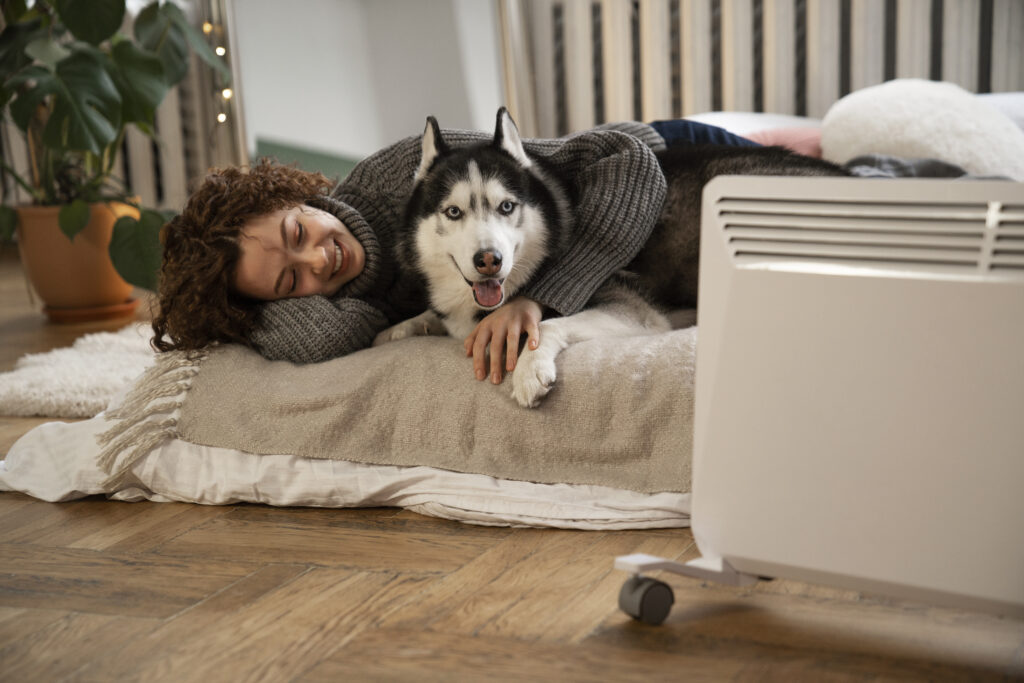
Pets add warmth, companionship, and daily joy to your home, but they can also create challenges for your HVAC system that many homeowners don’t realize right away. Pet hair, dander, dirt, and even moisture from baths or outdoor play can build up inside your heating and cooling system, affecting airflow, efficiency, and indoor air quality. Over time, these factors can contribute to uneven comfort, higher energy bills, and increased wear on HVAC components.
Understanding how pets impact your HVAC system allows you to take proactive steps to protect both your comfort and your investment. With proper maintenance, smart filtration choices, and a few pet-friendly habits, you can minimize system strain while maintaining clean, healthy indoor air. In this guide, we’ll break down how pets influence HVAC performance and share practical tips to help your system operate efficiently in a home shared with furry companions.
Why Pets Affect HVAC Systems
Pets naturally introduce additional debris, allergens, and activity into the home, all of which can affect how an HVAC system operates. From shedding fur to everyday behaviors, these factors can gradually reduce system efficiency and indoor air quality if not properly managed.
Pet Hair and Fur Buildup
Pet hair is one of the most common ways pets impact HVAC performance. As your system circulates air, loose fur is pulled into return vents and quickly clogs air filters, restricting airflow and forcing the system to work harder to maintain comfortable temperatures. Over time, hair that makes it past the filter can settle inside vents and ductwork, further reducing airflow efficiency and contributing to uneven heating or cooling throughout the home.
Pet Dander and Indoor Air Quality
Pet dander consists of microscopic skin flakes that easily become airborne and circulate through your HVAC system. Once inside the ductwork, dander and other allergens are redistributed from room to room, lowering indoor air quality and potentially triggering allergy or respiratory symptoms. Without proper filtration and regular maintenance, HVAC systems can repeatedly recirculate these particles, making it difficult to keep indoor air clean in pet-friendly homes.
Behavioral Impacts
In addition to shedding, certain pet behaviors can directly affect HVAC components. Pets may scratch at floor vents, chew on vent covers, or damage exposed ductwork out of curiosity or boredom. These behaviors can restrict airflow, damage system components, and create entry points for debris, which can further impact efficiency and lead to avoidable repairs.
Understanding these pet-related factors helps homeowners take proactive steps to protect their HVAC systems while maintaining a healthy, comfortable environment for both people and pets.
How Pets Reduce HVAC Efficiency
Pets can have a noticeable impact on how efficiently your HVAC system operates. Pet hair, dander, and everyday activity can create airflow restrictions and force the system to work harder than necessary, leading to increased energy usage and reduced performance.
Restricted Airflow
Pet hair and dander commonly clog air filters and accumulate around vents and registers, restricting airflow throughout the system. Blocked registers or heavily clogged filters prevent conditioned air from circulating evenly, causing airflow imbalances between rooms. As a result, some areas may feel too warm or too cool, while the HVAC system struggles to maintain consistent comfort.
Increased System Runtime
When airflow is restricted, your HVAC system must run longer to reach the desired temperature. Homes with pets often require more frequent filter changes, and if filters are not replaced on schedule, cooling and heating cycles become longer and less efficient. Extended runtime increases wear on system components and raises the likelihood of performance issues over time.
Higher Energy Usage and Utility Costs
Reduced efficiency directly affects energy consumption. When your HVAC system runs longer and works harder due to airflow restrictions, it uses more electricity or fuel. This increased runtime often translates into higher monthly utility bills. Homes with pets may experience higher energy usage if pet-related maintenance needs are not addressed consistently, highlighting the importance of proactive care in pet-friendly households.
The Effects of Pet Odors and Moisture
1. Pet Odors in HVAC Ducts
Pet odors can easily make their way into your HVAC system and circulate throughout the home. As air is pulled into return vents, odor particles from pet bedding, litter areas, or favorite resting spots can travel through the ductwork and be redistributed through supply vents. Over time, these smells can become trapped in ducts, filters, and system components, making odors persistent even after routine cleaning of living spaces.
2. Moisture and Pet-Related Humidity
Pets can contribute to higher indoor humidity levels, especially through activities like bathing, drinking water spills, or coming indoors wet from rain or outdoor play. This added moisture can increase humidity inside the home, creating a damp environment that affects HVAC efficiency. Excess moisture places additional strain on the system as it works to remove humidity while cooling and can contribute to corrosion, mold growth, and reduced performance if left unaddressed.
Managing pet odors and moisture through proper ventilation, filtration, and routine HVAC maintenance helps maintain fresher indoor air and supports long-term system reliability in pet-friendly homes.
3 Maintenance Challenges and Pet-Specific Issues
1. Faster Filter Clogging
Pet-heavy households typically require higher-quality air filters to manage excess hair and dander. Filters with higher MERV ratings are often better suited for capturing pet-related particles while still allowing proper airflow. Because pets shed continuously, filters tend to clog faster and should be replaced more frequently. In most homes with pets, filters should be changed every 30 to 45 days to prevent airflow restrictions and maintain system efficiency.
2. Ductwork Contamination
Over time, pet hair and dander that bypass air filters can accumulate inside ductwork. This buildup restricts airflow and allows allergens and odors to circulate throughout the home. Professional duct cleaning may be recommended if there is visible debris, persistent odors, allergy symptoms, or reduced airflow that cannot be resolved through regular filter changes and cleaning.
3. Wear and Tear on Components
When filters clog quickly and airflow becomes restricted, fan motors and blowers must work harder to move air through the system. This increased workload leads to early component strain and can shorten the lifespan of critical HVAC parts. Without consistent maintenance, pet-related wear can contribute to more frequent repairs and premature system failure.
Addressing these maintenance challenges proactively helps pet owners protect their HVAC systems, improve indoor air quality, and ensure reliable performance year-round.
4 HVAC Tips for Pet Owners
Living with pets doesn’t mean sacrificing HVAC efficiency or indoor air quality. With the right habits and equipment choices, pet owners can reduce system strain and keep their homes comfortable and healthy.
1. Choose High-Quality Air Filters
For pet-friendly homes, selecting the right air filter is essential. Filters with higher MERV ratings are designed to capture smaller particles such as pet hair and dander, improving indoor air quality. However, it’s important to balance filtration strength with proper airflow. Choosing a filter that your HVAC system can handle prevents airflow restrictions while still effectively trapping pet-related particles.
2. Regular Filter and HVAC Component Checks
Pet owners should check air filters monthly and inspect vents, registers, and return grilles for hair buildup. A simple home inspection checklist includes checking for reduced airflow, unusual noises, inconsistent temperatures, or rising energy bills. These signs may indicate that the system is struggling due to restricted airflow or component strain.
3. Use Air Purifiers or Duct-Mounted Cleaners
Supplemental air filtration can greatly benefit homes with pets. Air purifiers and duct-mounted air cleaners help capture pet dander, odors, and allergens before they circulate throughout the home. These technologies reduce the burden on standard HVAC filters and support cleaner indoor air while improving system efficiency.
4. Proper Vent Placement and Pet Behavior Management
Ensuring vents and registers remain open and unobstructed is key to even airflow. Pet beds, toys, or furniture placed over vents can restrict air movement and reduce comfort. Training pets to stay away from vents and grilles helps prevent damage, keeps airflow balanced, and supports consistent HVAC performance.
By following these HVAC-friendly practices, pet owners can maintain efficient system operation, healthier indoor air, and long-term comfort for both people and pets.
When to Call a Professional for Pet-Related HVAC Issues
While regular home maintenance can help manage pet-related HVAC concerns, some issues require professional attention. Knowing when to call an HVAC professional can prevent small problems from turning into costly repairs and help restore comfort and system efficiency.
Persistent Odors After Cleaning
If pet odors continue to circulate through your home even after thorough cleaning, the issue may be deeper within your HVAC system. Odor particles can become trapped in ductwork, filters, or system components where routine cleaning cannot reach. Professional duct cleaning or deodorizing services can remove built-up pet hair, dander, and odor-causing residue, helping restore fresher indoor air.
Inconsistent Airflow or Comfort Issues
Uneven temperatures, weak airflow from vents, or rooms that never feel comfortable may indicate airflow restrictions or imbalances caused by pet hair buildup. A professional inspection allows technicians to assess ductwork, airflow, and system performance. Balancing adjustments or targeted cleaning can help restore even air distribution and improve overall comfort.
Frequent Breakdowns or High Energy Bills
Repeated HVAC issues or unexplained increases in energy bills may signal that pet-related airflow restrictions or component strain are affecting efficiency. Professionals can perform efficiency diagnostics to identify problem areas, recommend corrective solutions, and help reduce system stress. Addressing these concerns early can prevent ongoing breakdowns and extend the life of your HVAC system.
Calling a professional when pet-related issues persist ensures your HVAC system stays reliable, efficient, and capable of supporting a comfortable, pet-friendly home.
Pets and Indoor Air Quality: What You Should Know
Pets can significantly influence indoor air quality, especially in homes where HVAC systems constantly circulate air. Understanding how pet-related allergens affect both occupants and HVAC performance can help homeowners take steps to create a healthier indoor environment.
Allergens in the Home
Pet dander is one of the most common indoor allergens and easily becomes airborne as pets move around the home. Once circulating, dander can trigger allergy symptoms such as sneezing, congestion, or irritated eyes. From an HVAC perspective, excessive dander can clog filters more quickly and accumulate inside ductwork, reducing airflow and system efficiency. Without proper filtration and maintenance, allergens can be repeatedly redistributed throughout the home.
Tips to Improve Air Quality
Improving indoor air quality in pet-friendly homes starts with proper ventilation and humidity control. Good ventilation helps remove stale, allergen-laden air and replace it with fresher air. Maintaining balanced humidity levels reduces the spread of airborne allergens and limits mold growth. Consistent cleaning routines, including vacuuming with HEPA filters, washing pet bedding, and changing HVAC filters regularly, also help reduce airborne particles and support healthier indoor air.
Taking these steps allows homeowners to enjoy the companionship of pets while maintaining clean air and efficient HVAC performance.
FAQSs About Pets and HVAC Systems
Yes, pets can have a significant impact on HVAC performance. Pet hair, fur, and dander are constantly circulated through the air and can clog filters, restrict airflow, and build up inside ductwork. Over time, this added strain can reduce system efficiency, increase energy usage, and shorten the lifespan of HVAC components if not properly managed.
Homes with pets should check air filters monthly and typically replace them every 30 to 45 days. Because pets shed year-round, filters clog much faster than in pet-free homes. Staying consistent with filter changes helps maintain proper airflow, improve indoor air quality, and prevent unnecessary system strain.
Filters with higher MERV ratings are generally more effective at capturing pet hair, dander, and other airborne particles. However, it’s important to choose a filter that your HVAC system is designed to handle. Overly restrictive filters can reduce airflow and cause the system to work harder, so professional guidance is often helpful when selecting the right filter.
Yes. Pet odors can be pulled into return vents and circulate through ductwork, where odor particles may become trapped over time. Even with regular home cleaning, odors can persist if they’ve settled inside ducts or system components. In these cases, professional duct cleaning or deodorizing services may be necessary.
Pet dander is one of the most common indoor allergens and can worsen allergy and respiratory symptoms. When HVAC systems recirculate air, dander can spread throughout the home if filtration and maintenance are not properly addressed, affecting both comfort and air quality.
Pets can indirectly increase energy costs if pet hair and dander restrict airflow or clog filters more quickly. When airflow is reduced, the HVAC system runs longer to maintain comfort, which increases energy usage and monthly utility bills.
Professional duct cleaning may be recommended if there is visible pet hair buildup, lingering odors, increased allergy symptoms, or noticeable airflow issues. While routine filter changes help, duct cleaning can remove accumulated debris that regular maintenance cannot reach.
Yes. Some pets may scratch, chew, or lie on vents and registers, which can block airflow or damage vent covers and duct connections. These behaviors can reduce system efficiency and lead to avoidable repairs if left unchecked.
Improving air quality involves using high-quality air filters, replacing them regularly, managing indoor humidity, and maintaining good ventilation. Routine cleaning, including vacuuming with HEPA filters and washing pet bedding, also helps reduce airborne particles. Supplemental air purifiers can further improve results.
You should call a professional if you notice persistent odors, uneven temperatures, reduced airflow, frequent system breakdowns, or rising energy bills. These issues may indicate pet-related buildup or system strain that requires expert inspection and corrective solutions.
Turn pet hair problems into cleaner air solutions!
Pets bring comfort, companionship, and energy into your home, but they also introduce unique challenges for your HVAC system. Pet hair, dander, odors, and moisture can gradually reduce airflow, impact indoor air quality, and place extra strain on system components if not properly managed. We offer services such as AC maintenance in Sarasota, AC replacement in Sarasota, indoor air quality in Sarasota, residential HVAC services in Sarasota, and air conditioning repair in Sarasota to help you assist and maintain your home’s safety and cleanliness. Understanding how pets affect your HVAC system allows you to take proactive steps that protect efficiency, extend equipment life, and maintain a healthier living environment.
If you want peace of mind knowing your HVAC system is pet-friendly and performing at its best, Pino’s air is a professional HVAC contractor in Sarasota and ready to help. We can evaluate your system, recommend filtration and maintenance solutions, and address pet-related airflow or air quality concerns before they become costly problems. Call 941-564-9070 or contact us to schedule a professional HVAC evaluation and keep your home comfortable for every member of the family, including the furry ones.