Managing HVAC costs in a large commercial building can be challenging, especially in Florida where cooling systems often run for long hours throughout the year. Offices, retail centers, warehouses, healthcare facilities, restaurants, and multi-tenant buildings all depend heavily on reliable heating and cooling to keep employees comfortable, customers satisfied, and daily operations running smoothly. However, HVAC systems are also one of the biggest energy expenses for many commercial properties. Rising utility rates, aging equipment, poor airflow, humidity issues, duct leaks, and inefficient operating schedules can all cause cooling costs to climb faster than expected. In large buildings, even small inefficiencies can lead to significant monthly energy waste over time.
The good news is that reducing HVAC costs does not always require a complete system replacement. In many cases, strategic improvements such as preventive maintenance, better thermostat scheduling, airflow balancing, duct sealing, zoning, smart controls, insulation upgrades, and energy-efficient equipment can make a noticeable difference in both comfort and operating expenses. Large buildings often have multiple zones, different occupancy patterns, and varying cooling demands throughout the day, which means HVAC systems need to operate as efficiently as possible to avoid unnecessary energy use. By identifying where energy is being wasted and improving how the system performs, building owners and facility managers can lower operating costs, improve indoor comfort, and help extend the life of their HVAC equipment.
Why HVAC Costs Are So High in Large Buildings
HVAC costs are often higher in large buildings because the system has to manage more space, more people, more equipment, and more changing comfort demands throughout the day. Unlike smaller properties, large commercial buildings may have several departments, tenant areas, storage spaces, customer zones, offices, conference rooms, and high-traffic areas that all require different levels of cooling. When the system is not properly maintained, controlled, or sized for the building’s needs, it can waste significant energy while still struggling to keep the indoor environment comfortable. In Florida, where heat and humidity keep cooling systems working hard for much of the year, these costs can rise even faster.
Larger Spaces Require More Cooling Power
Large buildings naturally require more cooling power because there is more square footage to condition and more indoor air to circulate. The HVAC system must work harder to remove heat from offices, hallways, common areas, storage rooms, and customer-facing spaces. If the building has high ceilings, large windows, poor insulation, or areas with heavy sun exposure, the cooling load becomes even greater. Without an efficient system and proper airflow design, the building may use more energy than necessary just to maintain basic comfort.
Long Operating Hours Increase Energy Use
Many large commercial buildings operate for extended hours, and some run nearly all day depending on the business type. Offices, retail centers, medical facilities, restaurants, warehouses, and multi-tenant properties may need cooling before employees arrive, during business hours, and sometimes after closing for cleaning crews, equipment needs, or tenant use. The longer the HVAC system runs, the more energy it consumes. If schedules are not optimized, the system may also cool empty areas unnecessarily, adding avoidable costs to monthly utility bills.
Multiple Zones Create Uneven Demand
Large buildings often have multiple zones with different cooling needs. A conference room full of people may heat up quickly, while a storage area may need less cooling. A sunny front office may require more conditioned air than an interior hallway. If the HVAC system treats the entire building the same way, it can overcool some areas while undercooling others. This uneven demand often leads to comfort complaints, thermostat adjustments, longer run times, and wasted energy. Proper zoning and controls help match cooling output to actual building use.
Florida Heat and Humidity Add Extra Strain
Florida’s climate makes HVAC costs especially challenging for large buildings. High outdoor temperatures increase cooling demand, while humidity adds another layer of workload because the system must remove moisture from the air as well as lower the temperature. When humidity is not controlled properly, indoor spaces can feel warmer than they are, leading occupants to lower thermostat settings and use even more energy. In Southwest Florida, long cooling seasons mean HVAC systems rarely get a break, making efficiency and maintenance especially important.
Aging Equipment Uses More Energy
Older HVAC equipment usually becomes less efficient over time as components wear down, controls become outdated, and system performance declines. Aging compressors, motors, coils, fans, and dampers may require more energy to deliver the same amount of cooling. Even if the system still runs, it may take longer to reach temperature settings and may cycle more often throughout the day. As a result, businesses may see rising energy costs, more frequent repairs, and less consistent comfort. Upgrading or retrofitting older equipment can help reduce wasted energy and improve reliability.
Poor Airflow and Duct Leaks Waste Conditioned Air
Poor airflow and duct leaks can quietly drive up HVAC costs in large buildings. If ducts are leaking, damaged, poorly insulated, or incorrectly balanced, cooled air may escape before it reaches the rooms that need it. This forces the HVAC system to run longer to make up for the lost air. Blocked vents, dirty filters, undersized ducts, and restricted returns can also reduce airflow and strain the system. Fixing duct leaks, improving airflow balance, and keeping air pathways clear can help reduce waste while improving comfort throughout the building.
Start with a Commercial HVAC Energy Audit
The best way to reduce HVAC costs in a large building is to first understand where energy is being used and where it may be wasted. A commercial HVAC energy audit gives building owners and facility managers a clearer picture of how the system is performing, how much energy it consumes, and which issues are driving up operating costs. Instead of guessing whether the problem is old equipment, poor airflow, thermostat settings, duct leaks, or building design, an audit helps identify the root causes behind high HVAC expenses. This makes it easier to prioritize improvements that can deliver the most value for the building.
Review Current Energy Usage
A commercial HVAC energy audit should begin with a review of current energy usage. This includes looking at utility bills, seasonal cost patterns, peak demand periods, operating schedules, thermostat settings, and how energy use changes throughout the day. In large buildings, HVAC costs can rise quickly if systems are running after hours, cooling unused areas, or operating harder than necessary during peak heat. Reviewing usage patterns helps reveal whether high costs are tied to equipment inefficiency, poor scheduling, occupancy changes, or unnecessary runtime.
Identify Problem Areas and Energy Waste
Once energy usage is reviewed, the next step is identifying where energy is being wasted. Common problem areas include overcooled spaces, hot and cold spots, outdated controls, dirty filters, leaking ducts, poor insulation, and systems that run longer than needed. Large buildings often have different zones with different comfort needs, so one area may be wasting energy while another still feels uncomfortable. Finding these problem areas allows building owners to make targeted improvements instead of spending money on upgrades that may not solve the real issue.
Evaluate Equipment Performance
An energy audit should also include a close look at HVAC equipment performance. Older or poorly maintained systems often use more energy because worn components, dirty coils, weak motors, refrigerant issues, or failing controls reduce efficiency. Even if the system is still running, it may be working harder than necessary to maintain indoor comfort. Evaluating performance helps determine whether the equipment needs maintenance, repairs, upgrades, or replacement. It also helps prevent small performance issues from becoming expensive breakdowns later.
Check Ductwork, Airflow, and Ventilation
Ductwork, airflow, and ventilation play a major role in HVAC efficiency. If conditioned air is leaking into unoccupied areas, ducts are undersized, vents are blocked, or airflow is poorly balanced, the system may waste energy while still leaving parts of the building uncomfortable. Ventilation should also be evaluated to make sure the building has enough fresh air without creating unnecessary cooling demand. In Florida, airflow and ventilation are especially important because poor circulation and excess humidity can make indoor spaces feel warmer and less comfortable.
Compare Repair, Retrofit, and Replacement Options
After the audit identifies the main causes of high HVAC costs, building owners can compare the best options for improvement. Some buildings may only need maintenance, control adjustments, duct sealing, or airflow balancing. Others may benefit from retrofits such as smart thermostats, zoning, variable-speed components, or ventilation upgrades. In some cases, older equipment may be too inefficient or unreliable, making replacement the better long-term investment. Comparing repair, retrofit, and replacement options helps businesses choose the most cost-effective path toward lower HVAC costs and better building performance.
Schedule Regular Preventive HVAC Maintenance
Preventive AC maintenance in Sarasota is one of the most effective ways to reduce operating costs in large commercial buildings. When HVAC systems are not maintained regularly, small problems can slowly reduce efficiency, increase energy use, strain equipment, and lead to expensive repairs or unexpected downtime. Large buildings place heavy demands on commercial HVAC systems, especially in Florida where cooling equipment often runs for long hours throughout the year. Routine maintenance helps the system operate more efficiently, maintain better airflow, improve indoor comfort, and extend the life of the equipment. It also allows technicians to identify early warning signs before they turn into major system failures.
Change or Clean Air Filters Consistently
Air filters play a major role in HVAC efficiency because they help keep dust, dirt, and airborne particles from entering the system. When filters become clogged, airflow becomes restricted and the HVAC system has to work harder to move conditioned air throughout the building. This added strain increases energy use and can reduce indoor comfort. In large commercial buildings, dirty filters can also affect indoor air quality and create uneven airflow between zones. Changing or cleaning filters consistently helps improve airflow, reduce energy waste, and keep the system operating more efficiently.
Clean Coils and System Components
Dirty coils and system components can quietly increase HVAC operating costs over time. Evaporator and condenser coils are responsible for transferring heat, but when dirt and debris build up on these surfaces, the system becomes less efficient at cooling the building. Fans, drain lines, blowers, and other components can also accumulate dirt that reduces performance and airflow. Regular cleaning helps the system operate more effectively, improves energy efficiency, and reduces unnecessary strain on major components.
Check Refrigerant Levels
Proper refrigerant levels are essential for efficient cooling performance. If refrigerant levels are too low because of leaks or system problems, the HVAC system may struggle to maintain temperatures and run longer than necessary. Low refrigerant can increase energy use, reduce cooling capacity, and potentially damage major components such as the compressor. During preventive maintenance, technicians can inspect refrigerant levels, check for leaks, and confirm the system is operating within the correct range for reliable performance.
Inspect Electrical Connections and Moving Parts
Commercial HVAC systems rely on many electrical and mechanical components working together properly. Loose electrical connections, worn belts, damaged motors, failing capacitors, or poorly lubricated moving parts can reduce efficiency and increase the risk of system failure. Over time, vibration and heavy operation can cause parts to wear down, especially in large buildings with long operating hours. Regular inspections help identify these issues early so they can be corrected before they lead to larger mechanical or electrical problems.
Catch Small Issues Before They Become Expensive Repairs
One of the biggest benefits of preventive HVAC maintenance is the ability to catch small issues before they become costly emergencies. Minor airflow restrictions, unusual noises, electrical wear, refrigerant leaks, or drainage problems may seem insignificant at first, but they can create major damage if ignored. In large commercial buildings, an unexpected HVAC failure can disrupt operations, create uncomfortable indoor conditions, and lead to expensive emergency service calls. Routine maintenance helps reduce these risks by keeping the system monitored, serviced, and operating as efficiently as possible year-round.
Optimize Thermostat Settings and Scheduling
Thermostat settings and HVAC scheduling have a major impact on energy use in large commercial buildings. Even a well-maintained HVAC system can waste energy if it runs longer than necessary or cools areas that do not need conditioning. Large buildings often have changing occupancy levels throughout the day, different operating hours between departments, and areas that may sit empty for long periods. Without proper thermostat management, the HVAC system may continue running at full demand even when fewer people are in the building. Optimizing settings and schedules helps reduce unnecessary cooling, improve comfort, and lower operating costs without sacrificing indoor conditions.
Avoid Overcooling Unoccupied Areas
One of the most common sources of HVAC energy waste in large buildings is overcooling unoccupied spaces. Storage rooms, unused offices, conference rooms, break areas, and sections of the building that are empty after hours may continue receiving the same amount of cooling as high-traffic areas. This forces the HVAC system to use energy where it is not needed. Adjusting temperatures in low-use zones or reducing cooling in vacant areas can help lower energy demand while still maintaining comfortable conditions in occupied parts of the building.
Use Programmable or Smart Thermostats
Programmable and smart thermostats help commercial buildings manage cooling more efficiently by automating temperature adjustments based on schedules and occupancy patterns. These systems allow building owners and facility managers to create customized cooling schedules that match actual business operations instead of running at the same settings all day and night. Smart controls can also provide remote access, usage tracking, alerts, and energy reports that help identify waste and improve efficiency over time. In large buildings with multiple zones, smart thermostats can help deliver more precise comfort while reducing unnecessary energy use.
Adjust Settings Around Business Hours
HVAC systems should be scheduled around the building’s actual operating hours instead of running at full capacity 24/7. Cooling demands often change before opening, during peak occupancy, and after employees or customers leave for the day. Adjusting thermostat settings based on these patterns helps reduce runtime and lowers energy costs without affecting comfort during active business hours. In large commercial buildings, even small scheduling adjustments can lead to noticeable savings over time because of the amount of conditioned space involved.
Create Temperature Setbacks During Low-Occupancy Periods
Temperature setbacks allow the building to maintain slightly higher temperatures during periods of low occupancy instead of cooling the space aggressively when fewer people are present. For example, HVAC settings can often be adjusted during evenings, overnight hours, weekends, or holidays when portions of the building are not fully occupied. This reduces unnecessary strain on the HVAC system while still maintaining safe and manageable indoor conditions. In Florida, temperature setbacks should be balanced carefully to help manage humidity while still reducing energy consumption.
Monitor Thermostat Placement for Accurate Readings
Thermostat placement can affect how accurately the HVAC system responds to indoor conditions. If thermostats are placed near windows, direct sunlight, vents, heat-producing equipment, kitchens, or high-traffic areas, they may read temperatures incorrectly and cause the system to overcool or run longer than necessary. In large buildings, poor thermostat placement can also create uneven comfort between zones. Making sure thermostats are installed in representative areas of the building helps improve system response, maintain more consistent temperatures, and reduce wasted energy.
Use Smart HVAC Controls and Building Automation
Smart HVAC controls and building automation can help large buildings reduce energy waste by giving facility managers better visibility and control over system performance. Instead of relying on manual thermostat adjustments or fixed schedules that may not match actual building use, automated controls can adjust cooling based on occupancy, time of day, temperature trends, and zone-specific demand. This is especially useful in large commercial properties where different departments, tenant spaces, offices, and common areas may have different comfort needs. With better automation, the HVAC system can operate more efficiently while still maintaining a comfortable indoor environment.
Monitor Energy Use in Real Time
Real-time monitoring allows building owners and facility managers to see how much energy the HVAC system is using throughout the day. This makes it easier to identify unusual spikes, after-hours runtime, inefficient zones, or equipment that may be working harder than expected. Instead of waiting for a high utility bill to reveal a problem, real-time data helps teams spot waste earlier and make adjustments before costs grow. For large buildings, this level of visibility can be valuable because small inefficiencies across multiple zones can add up quickly.
Detect System Inefficiencies Earlier
Smart HVAC controls can help identify performance issues before they become major problems. If a system is running longer than normal, struggling to reach set temperatures, cycling too often, or using more energy than expected, automation tools may flag the issue for review. These early warnings can point to problems such as dirty filters, failing components, duct leaks, thermostat errors, or poor airflow. Detecting inefficiencies sooner allows maintenance teams to respond before the issue increases energy costs or causes equipment failure.
Automate Scheduling Across Multiple Zones
Large buildings often have different areas that operate on different schedules. Offices, conference rooms, lobbies, storage areas, kitchens, and tenant spaces may not all need the same cooling at the same time. Building automation can create schedules for each zone so the HVAC system cools occupied areas when needed and reduces output in spaces that are empty. This helps prevent overcooling, improves comfort control, and reduces unnecessary energy use throughout the building.
Improve Occupancy-Based Cooling
Occupancy-based cooling helps match HVAC operation to real building activity. Sensors and smart controls can adjust temperatures when areas become occupied or unoccupied, helping the system respond more efficiently to changing demand. For example, a meeting room may need extra cooling when full but less conditioning when empty. This approach helps large buildings avoid cooling spaces at full capacity when no one is using them, which can lead to meaningful energy savings over time.
Support Predictive Maintenance and Faster Response Times
Smart controls and automation can also support predictive maintenance by tracking system trends and identifying early signs of equipment stress. Changes in runtime, temperature response, airflow, or energy use may indicate that a component needs service before it fails. Automated alerts can help maintenance teams respond faster, schedule repairs more efficiently, and reduce the risk of unexpected downtime. For large buildings, this proactive approach can help extend equipment life, reduce emergency repairs, and keep HVAC costs more predictable.
Improve Airflow and Ductwork Efficiency
Airflow and ductwork efficiency can have a major impact on HVAC costs in large buildings. Even if the HVAC equipment itself is in good condition, the system can still waste energy if conditioned air is not moving through the building properly. Leaky ducts, blocked vents, undersized ductwork, poor air balancing, and damaged duct sections can force the system to run longer while still leaving some areas uncomfortable. Improving airflow helps the HVAC system deliver cooled air where it is needed, reduce wasted energy, and maintain more consistent comfort across the building.
Seal Duct Leaks
Duct leaks can quietly waste a significant amount of conditioned air before it ever reaches occupied spaces. In large buildings, leaks may occur at duct joints, connections, seams, or damaged sections, allowing cooled air to escape into ceilings, attics, mechanical rooms, or other unconditioned areas. When this happens, the HVAC system has to work harder to replace the lost air and maintain the thermostat setting. Sealing duct leaks helps reduce energy waste, improve airflow, and lower the cooling load on the system.
Balance Airflow Across the Building
Air balancing helps ensure each area of the building receives the right amount of conditioned air. Without proper balancing, some rooms may feel too cold while others remain warm, humid, or stuffy. This often leads to thermostat adjustments that increase energy use without solving the real airflow problem. Balancing airflow across offices, common areas, conference rooms, tenant spaces, and high-use zones can improve comfort while helping the HVAC system operate more efficiently.
Remove Blockages and Restrictions
Blocked vents, dirty filters, closed dampers, clogged coils, or restricted duct pathways can reduce airflow and increase system strain. When air cannot move freely, the HVAC system may run longer, use more energy, and struggle to keep the building comfortable. In large buildings, restrictions can also create uneven cooling between zones. Removing blockages and keeping air pathways clear helps improve system performance, reduce pressure on equipment, and support better indoor comfort.
Repair or Replace Damaged Ductwork
Damaged ductwork can cause major efficiency and comfort problems. Crushed ducts, disconnected sections, holes, loose fittings, corrosion, or poorly designed duct runs can all reduce airflow and waste conditioned air. If ductwork is too damaged or outdated, simple sealing may not be enough. Repairing or replacing problem sections can help restore proper air distribution, reduce energy loss, and allow the HVAC system to perform closer to its intended efficiency.
Insulate Ducts in Hot or Unconditioned Areas
Ducts that run through hot or unconditioned spaces can lose cooling before the air reaches the rooms it is meant to serve. This is especially important in Florida, where attic spaces, roof areas, and mechanical chases can become extremely hot. Insulating ducts helps reduce heat gain, preserve cooled air, and improve overall HVAC efficiency. Proper duct insulation can also help reduce condensation concerns in humid environments, supporting both comfort and system performance.
Add Zoning for Better Temperature Control
Zoning can be one of the most effective ways to reduce HVAC costs and improve comfort in large commercial buildings. Instead of treating the entire building as one large cooling area, zoning divides the property into separate sections that can be controlled independently. This allows the HVAC system to deliver cooling where it is actually needed instead of operating at the same level across every room, department, or tenant space. In large buildings with different occupancy patterns, layouts, and comfort needs, zoning helps reduce wasted energy while creating a more balanced indoor environment.
Cool Occupied Areas More Strategically
Not every area of a large building needs the same amount of cooling throughout the day. Conference rooms, offices, customer areas, break rooms, storage spaces, and hallways may all have different occupancy levels and heat loads at different times. Zoning allows the HVAC system to direct cooling more strategically based on how each space is being used. This helps reduce unnecessary energy use while still maintaining comfortable conditions in occupied areas.
Reduce Hot and Cold Spots
Hot and cold spots are common in large buildings, especially when airflow demands vary between rooms or floors. Areas with more sunlight, equipment, electronics, or foot traffic may become warmer than quieter sections of the building. Without zoning, some areas may remain uncomfortable while others become overcooled. Zoning helps balance temperatures across the property by allowing different sections to operate independently, reducing uneven comfort throughout the building.
Avoid Conditioning Unused Spaces
Cooling unused spaces is one of the biggest sources of HVAC energy waste in large buildings. Empty offices, storage rooms, conference spaces, and sections of the property that are rarely occupied may continue receiving full cooling even when no one is using them. Zoning allows businesses to reduce cooling in these low-use areas without affecting comfort in occupied zones. This helps lower system runtime, reduce energy consumption, and decrease unnecessary strain on HVAC equipment.
Improve Comfort for Different Departments or Tenant Areas
Different departments or tenant spaces may have different comfort preferences and cooling needs. For example, a server room, kitchen, retail area, medical office, or conference room may require more cooling than surrounding spaces. Without zoning, one thermostat setting may not work well for everyone in the building. Zoning gives businesses greater flexibility to adjust temperatures by area, helping improve comfort for employees, customers, tenants, and visitors without affecting the entire property.
Pair Zoning with Smart Controls for Greater Savings
Zoning becomes even more effective when paired with smart HVAC controls and automation systems. Smart controls can adjust temperatures based on occupancy, time of day, scheduling, and energy demand across each zone. This allows the building to respond more efficiently to changing conditions while reducing wasted cooling. In large buildings, combining zoning with automated controls can improve comfort management, lower utility costs, and help the HVAC system operate more efficiently throughout the year.
Upgrade Aging or Inefficient HVAC Equipment
Older HVAC equipment can become one of the biggest sources of energy waste in large commercial buildings. As systems age, they often lose efficiency, require more repairs, struggle with airflow and humidity control, and consume more energy to maintain the same level of comfort. While maintenance and retrofits can improve performance in some cases, there comes a point when aging equipment costs more to operate than it is worth. Upgrading inefficient HVAC systems can help reduce operating costs, improve comfort, lower repair frequency, and provide more reliable performance for large buildings that depend heavily on consistent cooling.
Know When Repairs Are No Longer Cost-Effective
Air conditioning repairs in Sarasota may help extend the life of HVAC equipment for a while, but repeated breakdowns and rising maintenance costs can eventually outweigh the value of keeping an older system running. If the system constantly needs service, struggles to maintain temperatures, or uses significantly more energy than before, replacement may become the smarter long-term decision. Large buildings often rely on HVAC systems for daily operations, so ongoing equipment problems can create expensive disruptions, comfort complaints, and emergency service costs. Evaluating repair frequency and operating expenses helps determine when replacement makes better financial sense.
Consider High-Efficiency Commercial HVAC Systems
Modern high-efficiency commercial HVAC systems are designed to reduce wasted energy while maintaining more consistent indoor comfort. Newer equipment often includes improved compressors, better airflow management, advanced controls, and more efficient cooling cycles compared to older systems. In large buildings where HVAC systems run for long hours, even moderate efficiency improvements can lead to meaningful reductions in energy use over time. Upgrading to energy-efficient equipment can also help improve humidity control, reduce strain on the system, and support lower long-term operating costs.
Install Variable-Speed or Multi-Stage Equipment
Variable-speed and multi-stage HVAC equipment can improve efficiency by adjusting cooling output based on the building’s actual demand. Instead of running at full capacity every time the system turns on, these systems can operate at lower levels during lighter cooling periods and increase output only when needed. This helps reduce energy waste, maintain steadier indoor temperatures, improve humidity control, and lower system strain. For large commercial buildings in Florida, variable-speed technology can be especially beneficial because it supports more stable comfort during long cooling seasons.
Evaluate Rooftop Units and Packaged Systems
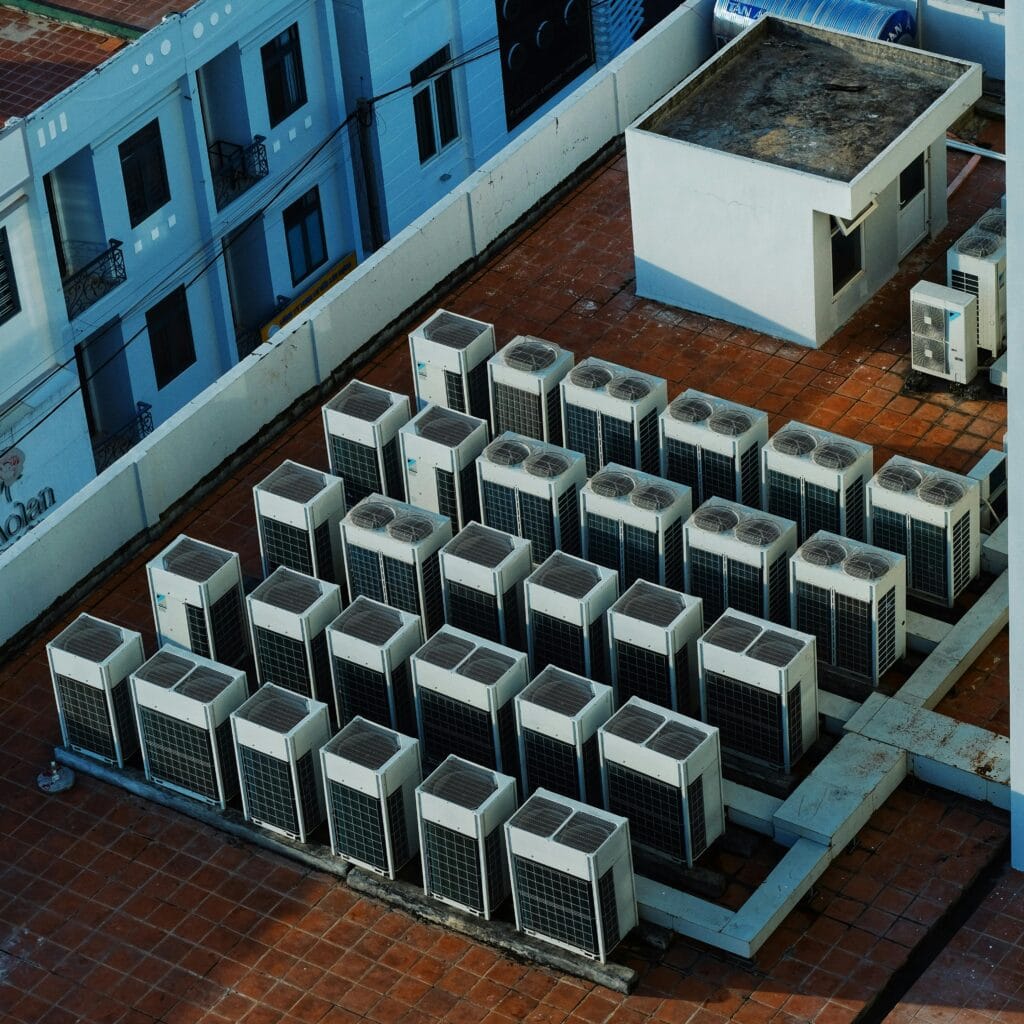
Many large commercial buildings rely on rooftop units or packaged HVAC systems to handle cooling demands across multiple zones. As these systems age, they may become less efficient, noisier, harder to service, or more expensive to operate. Evaluating rooftop equipment regularly can help identify whether upgrades, retrofits, or replacement are needed to improve efficiency and reliability. Modern rooftop and packaged systems often offer better energy performance, improved controls, and stronger airflow management compared to older models.
Plan Replacement Before Emergency Failure
Waiting until HVAC equipment completely fails can lead to emergency downtime, rushed decisions, and unexpected costs. In large commercial buildings, a major HVAC failure can affect employees, customers, tenants, inventory, and daily operations very quickly. Planning equipment replacement before an emergency happens gives building owners more time to compare systems, review budgets, coordinate installation schedules, and reduce operational disruption. Proactive replacement planning also helps avoid peak-season failures when HVAC systems are under the greatest strain.
Improve Building Insulation and Air Sealing
Improving insulation and air sealing can make a major difference in reducing HVAC costs for large buildings. Even when the HVAC system is efficient, the building itself may allow too much outdoor heat and humidity to enter or too much conditioned air to escape. This forces the system to run longer, use more energy, and work harder to maintain comfortable indoor temperatures. In Florida, where heat and humidity are constant challenges, strengthening the building envelope can help reduce cooling demand, improve comfort, and support better long-term HVAC performance.
Reduce Heat Gain Through the Building Envelope
The building envelope includes the roof, walls, windows, doors, insulation, and any openings that separate the indoor space from outdoor conditions. When this envelope is weak, heat can enter the building more easily and increase the workload on the HVAC system. Large commercial buildings with older roofs, poor insulation, large glass areas, or unsealed gaps may experience significant heat gain throughout the day. Improving the envelope helps slow heat transfer, keeping indoor spaces cooler and reducing the amount of energy needed for cooling.
Seal Gaps Around Doors, Windows, and Penetrations
Small gaps around doors, windows, pipes, vents, wiring, and wall penetrations can allow outdoor air to enter and conditioned air to escape. In large buildings, these small leaks can add up to major energy waste. Air leaks also make humidity control more difficult because warm, moist outdoor air can enter the building and increase the cooling load. Sealing these gaps with proper weatherstripping, caulking, insulation, or commercial-grade sealing materials helps improve comfort and reduce unnecessary HVAC runtime.
Improve Roof and Attic Insulation Where Applicable
Roof and attic areas can be major sources of heat gain, especially in Florida where intense sun can heat commercial buildings for hours each day. If roof insulation, attic insulation, or ceiling insulation is inadequate, heat can transfer into occupied spaces and force the HVAC system to work harder. Improving insulation in these areas helps reduce heat flow from above, maintain more stable indoor temperatures, and support lower cooling costs. This can be especially helpful for older commercial properties, low-rise buildings, offices, retail spaces, and buildings with large roof surfaces.
Use Energy-Efficient Doors, Windows, or Shading
Doors and windows can also contribute to HVAC energy loss, particularly when they are older, poorly sealed, or exposed to direct sunlight. Energy-efficient doors and windows can help reduce heat transfer, while shading solutions such as window films, awnings, blinds, or exterior shading can reduce solar heat gain during peak sun hours. These improvements can help rooms stay cooler, reduce hot spots near windows, and lessen the burden on the HVAC system. For large buildings with many windows or storefront glass, shading and window upgrades can provide noticeable comfort and efficiency benefits.
Lower the Cooling Load on the HVAC System
The main goal of insulation and air sealing is to lower the cooling load, or the amount of work the HVAC system must do to keep the building comfortable. When less heat and humidity enter the building, the system does not need to run as long or as often to maintain the thermostat setting. This can reduce energy use, improve humidity control, extend equipment life, and lower operating costs over time. For large commercial buildings, improving the building envelope can be one of the most practical ways to support HVAC savings without relying only on equipment upgrades.
Reduce Internal Heat Loads
Reducing internal heat loads can help large buildings lower HVAC costs by decreasing the amount of heat the cooling system has to remove throughout the day. In commercial buildings, heat does not only come from outdoor temperatures. Lighting, office equipment, machinery, appliances, electronics, sunlight, and even daily business operations can all raise indoor temperatures and increase cooling demand. When internal heat loads are reduced, the HVAC system can operate more efficiently, maintain comfort more easily, and avoid unnecessary energy use during peak operating hours.
Upgrade to Energy-Efficient Lighting
Traditional lighting systems can generate a surprising amount of heat, especially in large office buildings, retail spaces, warehouses, and commercial facilities with extensive lighting use. Older incandescent or fluorescent lighting can increase indoor temperatures and place additional strain on the HVAC system. Upgrading to energy-efficient lighting such as LED systems can help reduce heat generation while also lowering electrical consumption. In large buildings where lights operate for long hours, this upgrade can improve both lighting efficiency and cooling performance.
Manage Heat from Office Equipment and Machinery
Computers, printers, servers, appliances, kitchen equipment, manufacturing tools, and other machinery all produce heat while operating. In large commercial buildings, the combined heat from equipment can significantly increase indoor temperatures and force the HVAC system to work harder. Managing equipment heat may involve improving ventilation around high-heat areas, consolidating equipment use, shutting down unnecessary devices after hours, or upgrading to more energy-efficient technology. Reducing equipment-related heat helps lower the cooling load and improve comfort throughout the building.
Use Window Treatments to Reduce Solar Heat Gain
Large windows and glass storefronts can allow significant heat into the building during sunny Florida days. Direct sunlight can create hot spots near windows and increase cooling demand across the property. Window treatments such as blinds, shades, reflective films, tinting, awnings, or exterior shading systems can help reduce solar heat gain while still allowing natural light into the space. Lowering heat transfer through windows helps reduce indoor temperature fluctuations and decreases strain on the HVAC system.
Improve Scheduling for High-Heat Activities
Certain business activities naturally generate more heat, especially in kitchens, manufacturing areas, laundry facilities, server rooms, fitness spaces, or buildings with heavy equipment use. Scheduling some high-heat activities during cooler times of the day or spreading workloads more evenly can help reduce peak cooling demand. In large commercial buildings, coordinating operations with HVAC performance can improve efficiency and help prevent the system from becoming overloaded during the hottest parts of the day.
Encourage Smart Energy Habits Among Staff
Employee habits can also affect HVAC efficiency in large buildings. Leaving doors open, adjusting thermostats unnecessarily, running unused equipment, or ignoring airflow blockages can increase cooling demand and energy waste. Encouraging smart energy habits among staff can help support overall efficiency efforts. Simple practices such as keeping doors closed, turning off unused electronics, reporting comfort issues early, and maintaining clear airflow around vents can help reduce unnecessary strain on the HVAC system while improving building performance over time.
Track HVAC Performance with Data and Analytics
Tracking HVAC performance with data and analytics helps large buildings move from reactive maintenance to smarter energy management. Instead of waiting for high utility bills, comfort complaints, or system failures, building owners and facility managers can use performance data to understand how the HVAC system is running day to day. Data from smart controls, building automation systems, energy meters, and maintenance reports can reveal patterns that are difficult to spot manually. With the right information, businesses can reduce wasted energy, improve comfort, plan maintenance more effectively, and make better long-term decisions about repairs, retrofits, or replacement.
Monitor Runtime, Energy Use, and Temperature Trends
Monitoring runtime, energy use, and temperature trends helps identify how efficiently the HVAC system is operating across the building. If a unit runs longer than expected, uses more energy during certain hours, or struggles to maintain set temperatures, it may point to airflow issues, dirty components, poor scheduling, refrigerant problems, or aging equipment. Reviewing trends over time gives facility managers a clearer picture of normal performance versus unusual behavior. This makes it easier to adjust settings, schedule maintenance, and reduce energy waste before costs increase further.
Identify After-Hours Energy Waste
After-hours energy waste is a common issue in large commercial buildings. HVAC systems may continue cooling offices, conference rooms, storage areas, or tenant spaces long after they are empty. Data tracking can show when equipment is running outside normal business hours and whether those schedules match actual building use. Once these patterns are identified, managers can adjust thermostat schedules, zoning controls, or automation settings to reduce unnecessary cooling while still protecting equipment, humidity levels, and indoor conditions.
Use Alerts for Abnormal System Behavior
Smart HVAC tools can send alerts when the system behaves differently than expected. This may include unusual runtime, temperature swings, equipment faults, high humidity levels, or energy spikes. These alerts help building teams respond quickly instead of discovering problems after occupants complain or utility bills rise. Early alerts can also reduce the risk of major breakdowns by giving technicians time to investigate small issues before they affect the entire building.
Compare Performance Across Zones or Locations
Large buildings often have multiple zones with different comfort demands, and businesses with several properties may need to compare HVAC performance across locations. Data analytics can show which zones are using the most energy, which areas have frequent comfort problems, and which systems may need service or upgrades. Comparing performance helps identify whether one section of the building is overcooled, underperforming, or operating less efficiently than others. This allows improvements to be targeted where they will have the most impact.
Make Better Budget Decisions with Clear Data
Clear HVAC performance data helps businesses make smarter budget decisions. Instead of guessing whether to repair, retrofit, or replace equipment, building owners can review actual runtime, energy costs, repair frequency, comfort trends, and system performance. This information makes it easier to prioritize upgrades, plan maintenance, and justify investments that reduce long-term operating costs. For large buildings, data-driven decisions can help control expenses while supporting reliable comfort and more efficient HVAC operation.
How Pino’s Air Can Help Lower HVAC Costs in Large Buildings
Pino’s Air Conditioning and Heating helps Southwest Florida businesses find practical ways to reduce HVAC costs without sacrificing comfort or reliability. Large buildings often have complex cooling needs, from multiple zones and long operating hours to humidity concerns, airflow problems, and aging equipment. Our team can evaluate how your system is performing, identify where energy may be wasted, and recommend solutions that fit your building, budget, and day-to-day operations.
Commercial HVAC System Evaluation
A commercial HVAC system evaluation is the first step toward lowering costs. Pino’s Air can inspect your equipment, review comfort issues, check system performance, and look for signs of inefficiency that may be increasing energy use. This may include evaluating equipment age, repair history, airflow, thermostat settings, ductwork condition, humidity control, and cooling performance across different areas of the building. With a clear assessment, you can make smarter decisions about maintenance, repairs, retrofits, or replacement.
Preventive Maintenance Plans
Preventive maintenance helps commercial HVAC systems run more efficiently and avoid expensive breakdowns. Pino’s Air can provide regular maintenance support to keep filters, coils, refrigerant levels, electrical components, moving parts, and overall system performance in better condition. Routine service helps reduce energy waste, catch small problems early, and extend the life of your equipment. For large buildings, consistent maintenance can also help improve comfort across multiple zones and keep operating costs more predictable.
Airflow, Ductwork, and Humidity Control Support
Airflow, ductwork, and humidity control are major factors in commercial HVAC costs, especially in Florida. Pino’s Air can help identify duct leaks, airflow restrictions, uneven temperatures, and moisture issues that may be forcing your system to work harder than necessary. Improving air distribution, sealing problem areas, and addressing humidity concerns can help your building feel more comfortable while reducing cooling strain. Better airflow and humidity control can also support indoor air quality and overall system efficiency.
Energy-Efficient Repair, Retrofit, and Replacement Options
Not every building needs a full HVAC replacement to reduce costs. In some cases, repairs or targeted retrofits can improve performance and lower energy use. Pino’s Air can help determine whether your system would benefit from component repairs, upgraded controls, zoning improvements, ductwork upgrades, or energy-efficient equipment replacement. If your system is aging or no longer cost-effective to maintain, our team can recommend replacement options designed to improve comfort, reliability, and long-term savings.
Local Expertise for Southwest Florida Commercial Properties
Southwest Florida’s heat and humidity create unique challenges for large commercial buildings. Pino’s Air understands how local climate conditions affect HVAC performance, energy use, humidity control, and equipment lifespan. As a local HVAC company, we provide recommendations designed for the way commercial systems actually operate in Florida. Whether you manage an office, retail space, warehouse, medical facility, restaurant, or multi-tenant property, our team can help you create a more efficient and comfortable building environment.
FAQs About Reducing HVAC Costs in Large Buildings
The fastest way to reduce HVAC costs is to start with the basics: replace dirty filters, adjust thermostat schedules, stop cooling unused areas, and schedule a professional maintenance check. These steps can quickly improve airflow, reduce unnecessary runtime, and help the system operate more efficiently. For larger buildings, an HVAC energy audit can also identify hidden sources of waste such as duct leaks, poor zoning, outdated controls, or equipment that is running after hours.
Commercial HVAC systems should typically be serviced at least twice a year, though large buildings or systems with heavy usage may need more frequent maintenance. In Florida, where cooling equipment often runs for long hours, regular service is especially important. Preventive maintenance helps keep filters, coils, electrical components, refrigerant levels, moving parts, and drainage systems in proper condition, which can reduce energy waste and help prevent costly breakdowns.
Yes, smart thermostats and building controls can help lower HVAC costs when they are properly installed and programmed. They reduce waste by adjusting temperatures around business hours, occupancy patterns, and zone-specific needs. In large buildings, smart controls can prevent overcooling, limit after-hours runtime, and provide useful data about energy use. The savings are usually strongest when smart thermostats are paired with zoning, regular maintenance, and good airflow management.
Yes, duct leaks can significantly increase HVAC energy bills because conditioned air escapes before it reaches the rooms that need cooling. When cooled air is lost in ceilings, attics, mechanical spaces, or unconditioned areas, the system has to run longer to make up for it. In large buildings, even small leaks across a duct system can add up to major energy waste. Sealing and insulating ducts can improve comfort, reduce cooling loss, and lower system strain.
A large building may need HVAC replacement when the system is aging, inefficient, unreliable, or becoming too expensive to maintain. Warning signs include frequent repairs, rising energy bills, uneven temperatures, weak airflow, humidity problems, outdated controls, and equipment that struggles during peak heat. If repair costs continue to climb or the system is nearing the end of its service life, replacement may provide better long-term value than ongoing repairs.
Humidity makes HVAC systems work harder because the equipment must remove moisture from the air while also cooling the building. When humidity is not controlled well, indoor spaces can feel warmer than the thermostat setting, causing occupants to lower the temperature and increase energy use. In Florida, efficient humidity control helps buildings feel more comfortable without overcooling. Proper system sizing, maintenance, ventilation, and moisture control can all help reduce humidity-related HVAC costs.
Yes, zoning can reduce HVAC costs by allowing different areas of a large building to be cooled based on actual use and comfort needs. Instead of cooling the entire building the same way, zoning lets occupied spaces receive more cooling while unused or low-traffic areas use less. This can reduce energy waste, improve comfort, and help prevent hot and cold spots. Zoning works especially well when paired with smart controls and proper airflow balancing.
Insulation helps reduce HVAC costs by slowing heat transfer into the building and helping conditioned air stay inside longer. When insulation is poor or air leaks are present, the HVAC system has to work harder to maintain comfortable temperatures. In large buildings, improving roof, attic, wall, or duct insulation can lower cooling demand and reduce energy waste. Better insulation also supports more consistent temperatures, improved humidity control, and less strain on HVAC equipment.
Keep Your Building Chill without Watching Your Budget Melt!
Reducing HVAC costs in large buildings takes more than lowering the thermostat or making occasional repairs. Long-term savings often come from improving how the entire system operates, including airflow, ductwork, humidity control, zoning, insulation, maintenance, and energy management. Large commercial buildings face constant cooling demands, especially in Florida’s heat and humidity, which makes efficiency and system performance especially important. By identifying energy waste, upgrading outdated equipment when needed, and improving overall HVAC strategy, businesses can lower operating costs while maintaining a more comfortable and reliable indoor environment.
If your building’s HVAC costs keep rising or your system struggles to keep up with demand, we’re here to help. At Pino’s Air Conditioning and Heating as a professional HVAC contractor in Sarasota, we can evaluate your commercial HVAC system, identify opportunities for energy savings, and recommend practical solutions tailored to your building’s needs. Whether you need maintenance, airflow improvements, zoning upgrades, retrofits, AC installation in Sarasota, indoor air quality in Sarasota, attic insulation in Sarasota or AC replacement in Sarasota, our team is ready to help you improve comfort and efficiency throughout your property. Call us today at 941-564-9070 or contact us to schedule your commercial HVAC services in Sarasota and let us help your building run cooler and smarter.