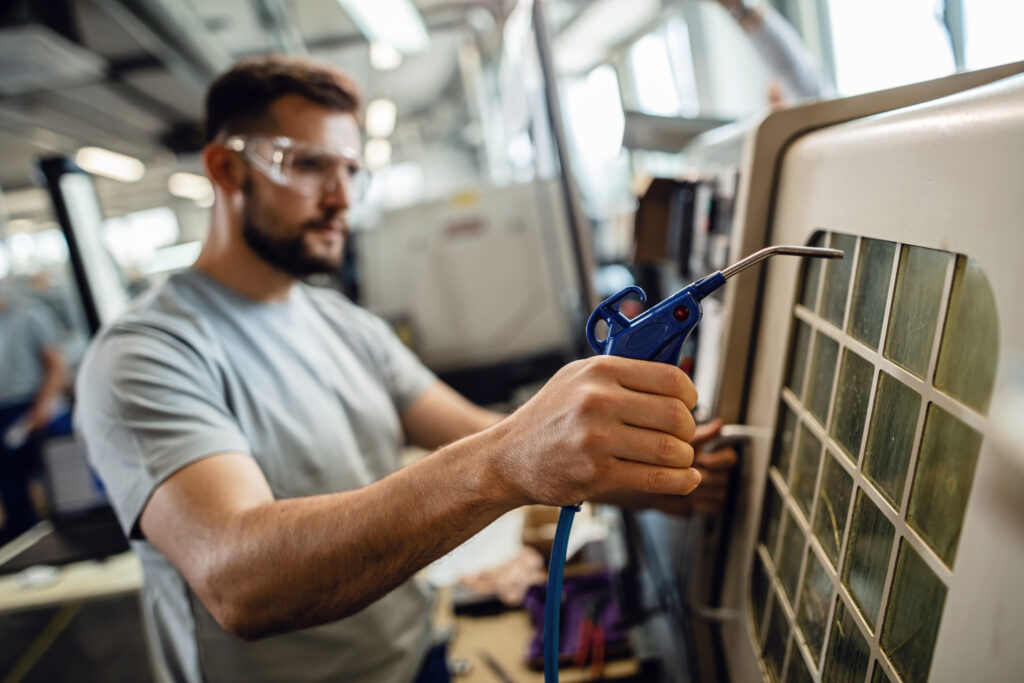
Indoor air quality plays a crucial role in the health, comfort, and overall well-being of anyone inside a home or commercial space. While many people focus primarily on temperature control, the quality of the air circulating through an HVAC system is just as important. Indoor environments can trap dust, allergens, pet dander, mold spores, and even microscopic pollutants, especially in buildings that are tightly sealed for energy efficiency. Without proper filtration, these contaminants can continuously circulate, affecting comfort, triggering allergies, and potentially impacting long-term health.
HVAC filters serve as a critical line of defense by capturing airborne particles before they are distributed throughout the space. They not only help improve indoor air quality but also protect HVAC components from dust buildup that can reduce efficiency and lead to costly repairs. From basic filters that trap larger debris to advanced filtration systems designed to capture fine particles and odors, choosing the right filter and maintaining it properly can make a significant difference. In this guide, we’ll explore how HVAC filters work, the different types available, and why they are essential for creating a cleaner, healthier, and more efficient indoor environment.
What Are HVAC Filters?
HVAC filters are an essential component of any heating, ventilation, and air conditioning system, designed to improve indoor air quality and protect system performance. As air circulates through the HVAC system, it carries various particles such as dust, pollen, pet dander, and other airborne contaminants. Without proper filtration, these particles can accumulate in the air and within the system itself, leading to reduced air quality and decreased efficiency. HVAC filters act as a barrier, capturing these particles before they can spread throughout the indoor environment.
Definition and Purpose
HVAC filters are devices specifically designed to trap airborne particles like dust, pollen, debris, and other contaminants as air moves through the system. Their primary purpose is to prevent these pollutants from circulating indoors, helping maintain cleaner and healthier air. In addition to improving indoor air quality, filters also protect HVAC components such as coils and fans from buildup, which can impact system performance and longevity.
How HVAC Filters Work
HVAC filters work by allowing air to pass through a specialized filter media that captures particles of varying sizes. As air flows through the filter, contaminants are trapped within the material, while cleaner air continues through the system and is recirculated back into the space. The effectiveness of a filter depends on its design and material, with higher-quality filters capable of capturing smaller particles and improving overall air cleanliness.
5 Types of HVAC Filters
1. Fiberglass Filters
Fiberglass filters are the most basic and affordable option available. They are typically made of layered fiberglass fibers supported by a metal frame and are designed to capture larger particles such as dust, lint, and debris. While they provide minimal resistance to airflow and are easy on HVAC systems, their filtration capabilities are limited. They are best suited for basic protection of HVAC equipment rather than significantly improving indoor air quality.
2. Pleated Filters
Pleated filters offer a higher level of efficiency compared to fiberglass filters. Constructed from folded or pleated materials, they provide a larger surface area that allows them to trap more particles, including smaller contaminants like pollen, pet dander, and fine dust. These filters strike a good balance between improved air quality and system efficiency, making them one of the most commonly used options in both residential and commercial HVAC systems.
3. HEPA Filters
HEPA (High-Efficiency Particulate Air) filters are designed for maximum filtration performance. They can capture extremely small particles, including fine dust, bacteria, and other microscopic pollutants. Because of their high efficiency, HEPA filters are commonly used in environments where air quality is critical, such as hospitals, laboratories, and cleanrooms. However, their dense construction can restrict airflow, so they may require specialized HVAC systems or modifications to be used effectively.
4. Electrostatic Filters
Electrostatic filters use a static charge to attract and trap airborne particles as air passes through them. The charged fibers pull in dust, pollen, and other contaminants, holding them in place until the filter is cleaned or replaced. These filters are available in both disposable and reusable forms, with washable versions offering a cost-effective and environmentally friendly option. They provide improved filtration compared to basic filters while maintaining relatively good airflow.
5. Activated Carbon Filters
Activated carbon filters are specifically designed to remove odors and gaseous pollutants from the air. They use a layer of carbon material that absorbs chemicals, smoke, and unpleasant smells, making them particularly useful in environments where odor control is important. While they are not typically used as a standalone solution for particle filtration, they are often combined with other filter types to enhance overall air quality and create a fresher indoor environment.
How HVAC Filters Improve Indoor Air Quality
HVAC filters play a vital role in maintaining clean, healthy, and comfortable indoor environments by removing harmful particles and improving overall air circulation. As air continuously cycles through an HVAC system, it can carry a wide range of contaminants, including dust, allergens, and pollutants. Without proper filtration, these particles can accumulate and recirculate, negatively impacting air quality and occupant health. HVAC filters act as a protective barrier, capturing these contaminants before they spread throughout the space. This not only improves indoor air quality but also supports better HVAC system performance and long-term efficiency.
Removing Airborne Contaminants
One of the primary functions of HVAC filters is to remove airborne contaminants such as dust, pollen, mold spores, bacteria, and other allergens. These particles are commonly found in indoor environments and can easily circulate if not properly filtered. By trapping these contaminants, HVAC filters help reduce the concentration of pollutants in the air, lowering the risk of respiratory issues and creating a cleaner, healthier space for occupants.
Reducing Allergens and Irritants
HVAC filters are especially important for individuals with allergies, asthma, or other respiratory sensitivities. By capturing irritants like pet dander, pollen, and fine dust, filters help minimize exposure to common triggers that can cause discomfort or health issues. This results in improved air quality and a more comfortable indoor environment, making it easier for occupants to breathe and maintain overall well-being.
Controlling Odors and Pollutants
In addition to capturing particles, certain HVAC filters are designed to control odors and gaseous pollutants. Filters with activated carbon can absorb smoke, volatile organic compounds (VOCs), and cooking odors, preventing them from lingering or spreading throughout the building. This is particularly beneficial in environments where odor control is important, as it helps maintain a fresher and more pleasant indoor atmosphere.
Supporting Overall HVAC Air Circulation
Clean and properly functioning filters support efficient airflow within the HVAC system. When filters are not clogged or overloaded with debris, air can move freely through the system, allowing for consistent and even distribution of clean air. This improves overall system performance, reduces strain on HVAC components, and ensures that every part of the building receives properly filtered air.
HVAC Filters and Health Benefits
HVAC filters do more than just improve air quality—they play a significant role in protecting the health and well-being of building occupants. As air circulates through an HVAC system, it can carry a wide range of contaminants, including dust, allergens, bacteria, and other harmful particles. Without proper filtration, these pollutants can accumulate indoors and continuously recirculate, increasing the risk of health issues. High-quality HVAC filters help remove these contaminants, creating a cleaner and healthier indoor environment that supports both physical comfort and long-term wellness.
Reducing Respiratory Issues
HVAC filters help reduce respiratory issues by minimizing exposure to harmful airborne particles such as dust, pollen, pet dander, and fine pollutants. These contaminants can irritate the lungs and airways, especially for individuals with asthma, allergies, or other respiratory conditions. By effectively capturing these particles, HVAC filters improve air quality and make it easier to breathe, reducing symptoms like coughing, sneezing, and congestion. Cleaner air contributes to a healthier indoor environment where occupants can feel more comfortable and protected.
Preventing Mold and Bacteria Growth
Proper HVAC filtration also helps prevent conditions that promote mold and bacteria growth. By capturing organic particles and supporting better airflow, filters reduce the buildup of contaminants that can lead to microbial growth. When combined with effective moisture control, this helps prevent mold formation and limits the spread of bacteria within the system. Maintaining clean filters and proper airflow is essential for reducing potential health risks associated with poor indoor air conditions.
Enhancing Overall Well-Being
Improved indoor air quality has a direct impact on overall well-being, comfort, and productivity. Clean air helps reduce fatigue, headaches, and irritation that can result from poor air conditions. In workplaces, better air quality can lead to increased focus and efficiency, while in homes, it creates a more relaxing and comfortable living environment. By ensuring that the air being circulated is clean and free of harmful particles, HVAC filters contribute to a healthier and more enjoyable indoor experience for everyone.
MERV Ratings Explained
MERV ratings are a key factor in determining how effective an HVAC filter is at capturing airborne particles. Understanding these ratings helps homeowners and building managers choose the right filter for their needs while ensuring the HVAC system continues to operate efficiently. Selecting the appropriate MERV rating is essential for balancing air quality improvement with proper airflow and system performance.
What Is a MERV Rating?
MERV stands for Minimum Efficiency Reporting Value, which is a standardized scale used to measure a filter’s ability to capture particles of different sizes. The scale typically ranges from 1 to 16, with higher numbers indicating greater filtration efficiency. Low MERV filters capture larger particles like dust and lint, while higher-rated filters can trap smaller particles such as pollen, mold spores, and even some bacteria.
Choosing the Right MERV Rating
Choosing the right MERV rating involves balancing filtration efficiency with airflow requirements. While higher MERV ratings provide better air filtration, they can also restrict airflow if the HVAC system is not designed to handle them. It’s important to select a filter that improves indoor air quality without putting unnecessary strain on the system. Consulting with an HVAC professional can help determine the best rating based on system compatibility and air quality needs.
High vs Low MERV Filters
High MERV filters are more effective at capturing fine particles and improving indoor air quality, making them ideal for environments with higher air quality demands. However, they can create more resistance to airflow, which may reduce system efficiency if not properly matched with the HVAC system. Low MERV filters, on the other hand, allow for better airflow but provide less filtration. The key is finding the right balance to achieve both clean air and efficient system operation.
Impact of Dirty or Clogged Filters on Air Quality
Dirty or clogged HVAC filters can have a serious impact on both indoor air quality and overall system performance. Over time, filters accumulate dust, debris, allergens, and other airborne contaminants, which gradually reduce their ability to function effectively. Instead of capturing particles and improving air quality, a clogged filter can begin to restrict airflow and allow pollutants to circulate throughout the space. This not only compromises the cleanliness of the air but also forces the HVAC system to work harder, leading to inefficiencies, higher energy costs, and potential equipment damage. Regular filter maintenance is essential to avoid these issues and maintain a healthy, comfortable indoor environment.
Reduced Airflow and Efficiency
When an HVAC filter becomes clogged, it restricts the flow of air through the system. This reduced airflow forces the HVAC unit to work harder to maintain the desired temperature, decreasing overall efficiency. As a result, the system may struggle to distribute air evenly, leading to inconsistent temperatures and discomfort in different areas of the building. Over time, this added strain can negatively affect system performance and increase wear on internal components.
Increased Indoor Air Pollution
A dirty filter loses its ability to effectively trap airborne contaminants, allowing dust, pollen, mold spores, and other pollutants to circulate freely indoors. Instead of improving air quality, the HVAC system may begin to redistribute these particles throughout the space. This can lead to a noticeable increase in indoor air pollution, which may trigger allergies, respiratory issues, and general discomfort for occupants.
Higher Energy Bills
Clogged filters cause the HVAC system to run longer and work harder to achieve the desired temperature. This increased workload leads to higher energy consumption and rising utility bills. Even a partially blocked filter can reduce system efficiency, making regular replacement a simple yet effective way to control energy costs and maintain optimal performance.
Potential System Damage
When airflow is restricted by a clogged filter, critical HVAC components such as fans, motors, and compressors experience increased stress. This can lead to overheating, reduced efficiency, and a higher likelihood of mechanical failure. In severe cases, neglecting filter maintenance can result in costly repairs or complete system breakdown. Keeping filters clean and replacing them regularly helps protect the system, extend its lifespan, and ensure reliable operation.
HVAC Filters and System Performance
HVAC filters play a crucial role not only in improving air quality but also in maintaining the overall performance and efficiency of the HVAC system. When filters are clean and functioning properly, they help ensure smooth airflow, protect internal components, and reduce unnecessary strain on the system. Neglecting filter maintenance can lead to reduced efficiency, increased energy costs, and potential system failures over time.
Protecting HVAC Components
HVAC filters act as a protective barrier that prevents dust, dirt, and debris from entering sensitive system components such as coils, fans, and blowers. Without proper filtration, these particles can accumulate on internal parts, reducing their effectiveness and causing the system to work harder. Keeping filters clean helps prevent buildup, supports proper operation, and reduces the risk of damage to critical components.
Improving Energy Efficiency
Clean filters allow air to flow freely through the HVAC system, maintaining optimal airflow and reducing the amount of energy required to operate. When airflow is unrestricted, the system can maintain desired temperatures more efficiently without overworking. This leads to lower energy consumption, improved performance, and reduced utility costs.
Extending Equipment Lifespan
By reducing strain on HVAC components, clean filters help extend the lifespan of the entire system. When the system operates efficiently, parts such as motors, compressors, and fans experience less wear and tear. This results in fewer breakdowns, reduced maintenance needs, and longer-lasting equipment, making regular filter maintenance an important part of protecting your HVAC investment.
How Often Should HVAC Filters Be Replaced?
Regularly replacing HVAC filters is essential for maintaining good indoor air quality and ensuring the system operates efficiently. Over time, filters become clogged with dust, debris, and other contaminants, which can restrict airflow and reduce performance. While there are general guidelines for replacement, the ideal frequency depends on several factors related to the environment and system usage.
Standard Replacement Guidelines
In most cases, HVAC filters should be replaced every 1 to 3 months. This range can vary depending on how often the system is used and the type of filter installed. Homes or buildings with moderate usage and standard filters may follow a longer replacement schedule, while systems that run continuously or use higher-efficiency filters may require more frequent changes to maintain optimal performance.
Factors Affecting Replacement Frequency
Several factors can influence how often filters need to be replaced. Properties with pets may experience faster filter buildup due to pet hair and dander. Higher occupancy levels can also increase the amount of airborne particles, requiring more frequent replacement. Additionally, buildings located in areas with poor outdoor air quality or high dust levels may need more frequent filter changes. The frequency of HVAC system use also plays a significant role, as systems that run more often will accumulate debris more quickly.
Signs Your Filter Needs Replacement
There are several clear signs that indicate a filter needs to be replaced. Visible dirt and discoloration on the filter surface are common indicators of buildup. Reduced airflow from vents, uneven temperatures, or the system working harder than usual can also signal a clogged filter. Additionally, an increase in dust around the space or worsening indoor air quality may suggest that the filter is no longer effectively capturing contaminants. Regular inspection helps ensure filters are replaced before they impact system performance.
Choosing the Right HVAC Filter for Your Needs
Selecting the right HVAC filter is essential for maintaining both indoor air quality and system performance. Not all filters are created equal, and choosing the wrong one can either reduce filtration effectiveness or restrict airflow, leading to inefficiencies. The ideal filter should match your specific environment, air quality concerns, and HVAC system capabilities to ensure optimal results.
Residential vs Commercial Requirements
HVAC filter needs can vary significantly between residential and commercial settings. Homes typically require filters that address common concerns like dust, pet dander, and allergens, while commercial spaces may need higher-capacity filters to handle larger volumes of air and increased occupancy. Businesses such as offices, healthcare facilities, or restaurants often require more advanced filtration systems to maintain air quality standards and support continuous operation.
Considering Air Quality Needs
Air quality requirements should be a key factor when choosing an HVAC filter. Homes or buildings with pets, occupants who suffer from allergies or asthma, or locations with high outdoor pollution may benefit from higher-efficiency filters. These filters are designed to capture smaller particles, improving overall air cleanliness and reducing potential health risks. Understanding your specific air quality concerns helps ensure the filter you choose meets your needs.
Balancing Efficiency and Airflow
While higher-efficiency filters provide better filtration, they can also restrict airflow if the HVAC system is not designed to handle them. It’s important to strike a balance between filtration performance and proper airflow to avoid putting unnecessary strain on the system. Choosing a filter that aligns with your system’s capacity ensures efficient operation, consistent airflow, and improved indoor air quality without compromising performance.
Advanced Filtration and Air Purification Options
While standard HVAC filters provide essential protection against common airborne particles, advanced filtration and air purification technologies take indoor air quality to the next level. These systems are designed to target smaller contaminants, eliminate microorganisms, and provide more comprehensive air cleaning. For homes and commercial spaces with higher air quality demands, integrating advanced solutions can significantly improve overall indoor environments.
UV Air Purifiers
UV air purifiers use ultraviolet light to kill or deactivate bacteria, viruses, and other microorganisms as air passes through the system. Unlike traditional filters that capture particles, UV systems target biological contaminants at a microscopic level. These purifiers are often installed within HVAC systems to continuously disinfect circulating air, making them especially useful in environments where health and sanitation are a priority.
Whole-Home Air Purification Systems
Whole-home air purification systems are integrated solutions that work alongside HVAC systems to improve indoor air quality throughout the entire space. These systems combine advanced filtration, air cleaning technologies, and sometimes additional features such as humidity control. By treating all the air that circulates through the HVAC system, they provide consistent and comprehensive air purification, making them ideal for larger homes and commercial buildings.
Smart HVAC Filtration Systems
Smart HVAC filtration systems incorporate modern technology to monitor air quality and system performance in real time. These systems can track filter condition, airflow, and indoor air quality levels, providing alerts when maintenance or filter replacement is needed. Automated adjustments help optimize performance, ensuring efficient operation and consistent air quality without the need for constant manual monitoring.
4 Common Mistakes With HVAC Filters
1. Not Replacing Filters Regularly
One of the most common mistakes is failing to replace filters on a consistent schedule. Over time, filters become clogged with dust, debris, and airborne contaminants, which restricts airflow and reduces their ability to trap particles effectively. This can lead to poor indoor air quality, uneven temperatures, and increased strain on the HVAC system. Regular filter replacement ensures proper airflow, improves filtration performance, and helps maintain system efficiency.
2. Using the Wrong Filter Type
Choosing the wrong type of filter for your HVAC system can create a range of issues. Filters that are too basic may not capture enough contaminants, leaving dust and allergens circulating indoors. On the other hand, filters that are too dense or not compatible with the system can restrict airflow and reduce efficiency. Selecting the right filter type based on system specifications and air quality needs is key to achieving balanced performance and effective filtration.
3. Ignoring MERV Ratings
MERV ratings are an important factor in determining how well a filter captures airborne particles, yet they are often overlooked. Using a filter with a rating that is too low may not provide adequate filtration, while a rating that is too high can restrict airflow if the system is not designed to handle it. Understanding MERV ratings and choosing the appropriate level helps ensure that the filter improves air quality without negatively impacting system performance.
4. Neglecting Professional Maintenance
Another common mistake is relying solely on filter replacement while neglecting overall HVAC maintenance. While filters play a crucial role, the entire system must be properly maintained to function efficiently. Professional inspections help identify issues such as dirty coils, airflow restrictions, or incorrect filter usage. Regular maintenance ensures that all components work together effectively, preventing larger problems and supporting long-term system reliability.
Benefits of Proper HVAC Filtration
Proper HVAC filtration plays a critical role in maintaining a clean, healthy, and efficient indoor environment. When the right filters are selected and maintained regularly, they help remove harmful particles from the air while supporting optimal system performance. Beyond improving air quality, effective filtration contributes to better comfort, lower operating costs, and longer-lasting HVAC equipment, making it an essential part of any indoor air quality strategy.
Cleaner Indoor Air
One of the most noticeable benefits of proper HVAC filtration is cleaner indoor air. High-quality filters capture dust, pollen, pet dander, and other airborne contaminants, preventing them from circulating throughout the space. This results in a fresher environment with reduced buildup of particles on surfaces and in the air, making indoor spaces more comfortable and pleasant.
Improved Health and Comfort
Cleaner air directly contributes to improved health and comfort for occupants. By reducing exposure to allergens and irritants, proper filtration helps minimize symptoms such as sneezing, coughing, and respiratory discomfort. It also creates a more comfortable indoor environment, especially for individuals with allergies or sensitivities, allowing them to breathe easier and feel more at ease.
Lower Energy Costs
Proper filtration supports efficient HVAC operation by maintaining good airflow. Clean filters allow air to pass through the system with less resistance, reducing the amount of energy required to maintain desired temperatures. This leads to lower energy consumption and reduced utility bills, making regular filter maintenance a cost-effective way to improve efficiency.
Better HVAC System Performance
When filters are clean and functioning properly, they help protect HVAC components from dust and debris buildup. This allows the system to operate smoothly and reduces strain on critical parts such as fans, coils, and motors. As a result, the system experiences fewer breakdowns, requires less maintenance, and delivers more consistent performance over time.
FAQs About HVAC Filters
An HVAC filter is designed to capture and remove airborne particles such as dust, pollen, pet dander, mold spores, and other contaminants as air circulates through the system. Its primary function is to improve indoor air quality by preventing these particles from being recirculated throughout the space. In addition to protecting occupants, HVAC filters also safeguard system components like coils and fans from dirt buildup, helping maintain efficiency and prolong the lifespan of the equipment.
The best HVAC filter for air quality depends on your specific needs, indoor environment, and system compatibility. Filters with higher MERV ratings or pleated designs are generally more effective at capturing smaller particles, making them a good choice for improving air quality. In environments where air cleanliness is a top priority—such as homes with allergies, pets, or high pollution levels—advanced options like HEPA filters or filters paired with air purification systems may offer better results. It’s important to choose a filter that provides strong filtration without restricting airflow.
Most HVAC filters should be replaced every 1 to 3 months, but the exact frequency can vary depending on several factors. Homes with pets, higher occupancy, or increased dust levels may require more frequent changes, while less frequently used systems may allow for longer intervals. Regular filter replacement ensures proper airflow, maintains system efficiency, and keeps indoor air clean. Checking the filter regularly can help determine when it needs to be replaced.
Standard HVAC filters can capture some bacteria and larger microorganisms, but they are not always effective at removing all viruses due to their extremely small size. Higher-efficiency filters, such as HEPA filters, are capable of capturing a greater percentage of microscopic particles, including some bacteria and virus carriers. For enhanced protection, HVAC systems can be combined with additional technologies like UV air purifiers or advanced air cleaning systems to further reduce airborne pathogens.
Higher MERV filters generally improve air quality because they are designed to capture smaller and more particles than lower-rated filters. This makes them effective at reducing allergens, fine dust, and other airborne contaminants. However, higher MERV filters can also restrict airflow if the HVAC system is not designed to handle them. It’s important to select a filter that balances filtration efficiency with proper airflow to avoid putting unnecessary strain on the system while still achieving cleaner air.
Don’t let Bad Air Filter Through—Upgrade Today!
HVAC filters play a vital role in maintaining clean indoor air, protecting system performance, and supporting overall comfort in any space. From removing airborne contaminants and reducing allergens to improving airflow and energy efficiency, the right filter makes a significant difference in both air quality and system reliability. When properly selected and maintained, HVAC filters help create a healthier environment while also extending the lifespan of your HVAC system and reducing long-term operating costs.
If you want to improve your indoor air quality in Sarasota or ensure your HVAC system is running at its best, Pino’s Air is a professional HVAC contractor in Sarasota and is here to help. We can recommend the right filters for your needs, handle AC maintenance in Sarasota, and make sure your system is optimized for performance and efficiency. We also provide services such as AC replacement in Sarasota, AC installment in Sarasota, air conditioning repair in Sarasota, residential HVAC services in Sarasota, commercial HVAC services in Sarasota, and attic insulation in Sarasota. Let’s make your indoor air cleaner and your system more efficient—call us today at 941-564-9070 or contact us and let’s get started.