
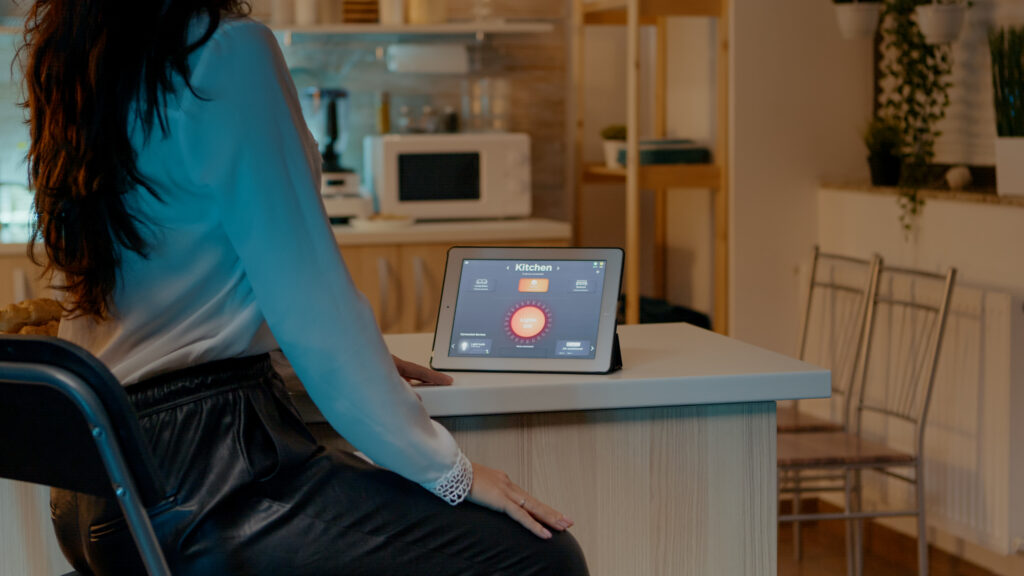
Indoor air quality has become an increasingly important concern for homeowners, especially as people spend more time indoors. From dust and allergens to invisible pollutants like volatile organic compounds (VOCs) and carbon dioxide, the air inside your home can have a direct impact on your health, comfort, and overall well-being. While HVAC systems and air purifiers help improve air quality, they don’t always provide clear insight into what’s actually in the air at any given moment. This is where smart IAQ monitoring devices come in.
Smart IAQ monitors are designed to give real-time data on the quality of the air inside your home, helping you understand and respond to changes quickly. These devices use advanced sensors to track multiple air quality factors and provide instant feedback through displays or mobile apps. By offering actionable insights, smart IAQ monitors empower homeowners to make informed decisions—whether it’s adjusting ventilation, replacing filters, or using air purification systems more effectively. In this guide, we’ll explore how these devices work, what they measure, and how they can help you create a healthier indoor environment.
What Are Smart IAQ Monitoring Devices?
Smart IAQ (Indoor Air Quality) monitoring devices are advanced tools designed to track and analyze the quality of the air inside your home in real time. Unlike traditional methods that rely on guesswork or visible signs, these devices provide accurate, data-driven insights into what’s actually in the air you breathe. By continuously monitoring key environmental factors, they help homeowners identify potential air quality issues early and take action to improve overall indoor conditions.
Definition of IAQ Monitors
IAQ monitors are devices specifically designed to measure indoor air pollutants and environmental conditions such as particulate matter, gases, humidity, and temperature. They help assess how safe and healthy the air is to breathe by detecting both visible and invisible contaminants. Whether used as standalone units or integrated into smart home systems, these monitors give users a clearer understanding of their indoor environment.
How Smart IAQ Devices Work
Smart IAQ devices use multiple built-in sensors to detect pollutants like fine particulate matter (PM2.5), carbon dioxide (CO₂), volatile organic compounds (VOCs), humidity, and temperature. As air moves through the device, these sensors collect data and analyze air quality levels in real time. The information is then displayed on the device or sent to a connected smartphone app, allowing users to track changes, receive alerts, and make informed decisions to improve indoor air quality.
4 Key Features of Smart IAQ Monitoring Devices
1. Multi-Sensor Technology
One of the most important features of smart IAQ devices is multi-sensor technology. These devices are equipped with multiple sensors that can measure a range of pollutants and environmental conditions, including particulate matter (PM2.5), volatile organic compounds (VOCs), carbon dioxide (CO₂), humidity, and temperature. By tracking multiple factors at once, they provide a more complete picture of indoor air quality rather than focusing on a single metric.
2. Real-Time Monitoring and Alerts
Smart IAQ devices continuously monitor air quality and provide real-time updates on current conditions. When pollutant levels rise or air quality drops, the device can send instant alerts or notifications. This allows homeowners to respond quickly—such as increasing ventilation, adjusting HVAC settings, or using air purifiers—to maintain a healthier indoor environment.
3. Smartphone Connectivity and Apps
Many smart IAQ monitors are connected to mobile apps, allowing users to track air quality remotely from their smartphones or tablets. These apps provide detailed insights, including historical data trends, air quality scores, and personalized recommendations. Remote access makes it easy to monitor conditions even when you’re not at home, giving you greater control and awareness.
4. Smart Home Integration
Smart IAQ monitoring devices can often integrate with smart home ecosystems, enabling automated responses to changes in air quality. For example, they can trigger HVAC systems, air purifiers, or ventilation fans when pollutant levels increase. This level of automation helps maintain optimal air quality without constant manual adjustments, making indoor air management more efficient and convenient.
What Do IAQ Monitors Measure?
Smart IAQ monitoring devices track a variety of environmental factors and airborne pollutants to provide a complete picture of indoor air quality. Instead of focusing on just one element, these devices measure multiple indicators that can impact health, comfort, and overall safety. By understanding what IAQ monitors measure, homeowners can better interpret the data and take the right steps to improve their indoor environment.
Particulate Matter (PM2.5, PM10)
Particulate matter refers to tiny particles suspended in the air, including dust, smoke, pollen, and other pollutants. PM2.5 particles are especially concerning because they are small enough to enter the lungs and bloodstream, potentially affecting respiratory health. IAQ monitors track both PM2.5 and larger particles like PM10 to help identify air quality issues related to dust and pollution.
Carbon Dioxide (CO₂)
Carbon dioxide levels are a key indicator of ventilation quality. High CO₂ levels can build up in enclosed spaces with poor airflow, especially when many people are present. Elevated CO₂ levels can lead to discomfort, fatigue, and reduced concentration, making it important to monitor and maintain proper ventilation.
Volatile Organic Compounds (VOCs)
VOCs are chemicals released from common household products such as cleaning supplies, paints, furniture, and building materials. These compounds can affect indoor air quality and may cause irritation or long-term health concerns with prolonged exposure. IAQ monitors detect VOC levels, helping homeowners identify sources of indoor pollution.
Temperature and Humidity
Temperature and humidity are essential factors that influence indoor comfort and air quality. High humidity levels can promote mold growth and increase the presence of allergens, while low humidity can cause dryness and discomfort. Monitoring these conditions helps maintain a balanced environment that supports both comfort and health.
Additional Sensors (Advanced Devices)
Advanced IAQ monitoring devices may include additional sensors that detect more specific or hazardous pollutants. These can include radon, formaldehyde, carbon monoxide, and other gases that may not be easily detected without specialized equipment. Having access to this data provides an added layer of safety and helps homeowners address potential risks more effectively.
4 Types of Smart IAQ Monitoring Devices
1. Standalone Air Quality Monitors
Standalone air quality monitors are the most common and accessible type of IAQ device. These units are typically portable or wall-mounted and are designed to monitor air quality in a specific room or area. They provide real-time readings through built-in displays or connected apps, making them easy to use and ideal for tracking air conditions in key spaces like living rooms, bedrooms, or home offices. These devices are a great starting point for homeowners who want straightforward monitoring without complex installation.
2. Smart Home Integrated Monitors
Smart home integrated monitors take IAQ monitoring to the next level by connecting with home automation systems. These devices can communicate with other smart devices, such as HVAC systems, air purifiers, and ventilation fans, to automatically respond to changes in air quality. For example, if pollutant levels rise, the system can activate filtration or increase airflow without manual intervention. This integration provides a more seamless and efficient way to maintain healthy indoor air conditions.
3. Wearable or Portable IAQ Sensors
Wearable or portable IAQ sensors are compact devices designed for personal air quality monitoring. These sensors can be carried or worn, allowing users to track the air they are exposed to throughout the day in different environments. They are particularly useful for individuals who spend time in multiple locations, such as commuting, working in different spaces, or traveling. By providing real-time data on personal exposure, these devices offer greater awareness and control over air quality beyond the home.
4. Multi-Room Monitoring Systems
Multi-room monitoring systems are designed to provide comprehensive, whole-home air quality tracking. These systems use multiple sensors placed throughout different areas of the home to monitor conditions in each zone. This allows homeowners to identify variations in air quality between rooms and pinpoint specific problem areas, such as poor ventilation or higher pollutant levels. Multi-room systems are ideal for larger homes or households that want a more detailed and complete understanding of their indoor air environment.
4 Benefits of Smart IAQ Monitoring Devices
Smart IAQ monitoring devices offer a powerful way to take control of your indoor environment by providing real-time insights into air quality conditions. Instead of relying on assumptions or visible signs, these devices deliver accurate, continuous data that helps you understand what’s happening in your air at any given moment. This level of visibility allows homeowners to respond quickly to changes, prevent potential issues, and maintain a consistently healthy indoor space. From improving health and comfort to optimizing HVAC performance and reducing energy waste, smart IAQ monitors provide both immediate and long-term benefits.
1. Improved Health and Safety
One of the most important benefits of smart IAQ devices is their ability to detect harmful pollutants early. By continuously monitoring air quality, they can identify increases in particulate matter, VOCs, and other contaminants before they become a serious concern. This early detection allows you to take prompt action—such as increasing ventilation or activating air purifiers—helping reduce exposure to harmful substances and creating a safer, healthier living environment for everyone in the home.
2. Better HVAC and Ventilation Control
Smart IAQ monitors provide valuable insights that help you optimize HVAC and ventilation systems more effectively. By understanding how air quality fluctuates throughout the day, you can adjust airflow, filtration, and ventilation to maintain consistent comfort. Many devices can also integrate with HVAC systems, enabling automated responses such as increasing airflow when pollutant levels rise. This ensures that your home remains well-ventilated and comfortable without constant manual adjustments.
3. Energy Efficiency
Real-time air quality data allows homeowners to operate HVAC systems more efficiently by adjusting usage based on actual conditions rather than running systems continuously. For example, ventilation can be increased only when needed and reduced when air quality is stable. This targeted approach helps minimize energy waste, lower utility bills, and improve overall system efficiency, making your home both more sustainable and cost-effective to operate.
4. Data-Driven Decision Making
Smart IAQ devices provide detailed data and long-term trends that give you a deeper understanding of your indoor environment. By reviewing this information, you can identify pollution sources, monitor changes over time, and evaluate the effectiveness of any improvements you make. This data-driven approach allows you to make informed decisions—whether it’s upgrading filters, adjusting HVAC settings, or addressing specific air quality concerns—leading to more effective and lasting results.
How Smart IAQ Devices Work With HVAC Systems
Smart IAQ monitoring devices become significantly more powerful when integrated with HVAC systems, transforming them from simple monitoring tools into active components of indoor air management. Instead of just providing data, these devices use real-time air quality information to influence how heating, cooling, and ventilation systems operate. This connection allows for automated adjustments that improve air quality, enhance comfort, and optimize system efficiency. By linking IAQ monitoring with HVAC controls, homeowners can maintain healthier indoor environments with less manual effort.
Integration With HVAC Controls
Many smart IAQ devices can integrate directly with HVAC control systems, enabling automated responses based on current air quality conditions. For example, when pollutant levels increase or ventilation needs change, the system can automatically adjust airflow, activate filtration, or modify temperature settings to maintain balanced conditions. This integration ensures that the HVAC system is not just maintaining temperature but also actively supporting cleaner and healthier air.
Triggering Air Purifiers or Fans
Smart IAQ devices can also work with connected air purifiers, exhaust fans, and ventilation systems to respond immediately to changes in air quality. When sensors detect spikes in particulate matter, VOCs, or other pollutants, the system can automatically trigger air purifiers or increase ventilation to remove contaminants. This proactive approach helps prevent pollutants from building up and ensures that indoor air remains clean and safe without requiring constant monitoring from the homeowner.
Enhancing Filter Maintenance Schedules
Another major advantage of smart IAQ integration is improved filter maintenance. Instead of relying on fixed replacement schedules, these devices can monitor airflow, usage patterns, and pollutant levels to determine when filters are becoming clogged or less effective. Homeowners can receive real-time alerts when it’s time to replace filters, helping maintain optimal system performance. This data-driven approach not only improves air quality but also prevents unnecessary strain on HVAC components, extending the lifespan of the system.
Choosing the Right Smart IAQ Monitor for Your Home
Selecting the right smart IAQ monitoring device is essential for getting accurate insights and making meaningful improvements to your indoor air quality. With so many options available, choosing the right one can feel overwhelming, but focusing on your specific needs and priorities can simplify the process. The ideal device should provide reliable data, monitor the pollutants that matter most to you, and integrate smoothly with your home and lifestyle. By considering factors such as air quality concerns, features, connectivity, and budget, you can find a solution that delivers both convenience and long-term value.
Based on Air Quality Needs
Your specific air quality concerns should be the starting point when choosing a smart IAQ monitor. Homes with pets, allergy sufferers, or exposure to outdoor pollution may benefit from devices that measure fine particulate matter like PM2.5 and allergens. If you’re concerned about chemical exposure from cleaning products, furniture, or building materials, a monitor that detects VOCs is essential. For homes with limited ventilation, CO₂ monitoring can help identify when airflow needs improvement. Understanding your unique environment ensures that the device you choose addresses the most relevant air quality issues.
Based on Features and Sensors
Smart IAQ monitors vary widely in terms of the number and type of sensors they include. Basic models may track only temperature and humidity, while more advanced devices offer multi-parameter monitoring, measuring particulate matter, VOCs, CO₂, and more. Multi-sensor devices provide a more comprehensive understanding of indoor air quality, allowing you to identify multiple issues at once. When selecting a device, it’s important to choose one with the right combination of sensors to give you a complete and accurate picture of your indoor environment.
Based on Connectivity and Smart Features
Connectivity and smart features play a major role in how convenient and effective an IAQ monitor will be. Many modern devices connect to smartphone apps, allowing you to monitor air quality remotely, receive real-time alerts, and view historical data trends. Some models also integrate with smart home systems, enabling automation such as activating air purifiers, adjusting HVAC settings, or increasing ventilation when air quality declines. These features make it easier to maintain healthy indoor air without constant manual monitoring.
Based on Budget and Accuracy
Smart IAQ monitors are available at a wide range of price points, from entry-level devices to advanced systems with high-precision sensors and smart integrations. While budget-friendly options may provide basic insights, they may lack the accuracy or depth of data offered by higher-end models. More advanced monitors typically offer better sensor technology, more reliable readings, and additional features such as multi-room tracking and automation. Balancing your budget with the level of accuracy, features, and long-term value you need will help you choose the best device for your home.
Installation and Placement Tips
Proper AC installation in Sarasota and placement of smart IAQ monitoring devices are essential for getting accurate and reliable readings. Even the most advanced device can provide misleading data if it’s placed in the wrong location. To ensure your monitor reflects true indoor air conditions, it’s important to position it strategically and consider how air flows throughout your home. Thoughtful placement also helps you identify problem areas and maintain consistent air quality across different spaces.
Best Locations for Accurate Readings
For the most accurate results, IAQ monitors should be placed in commonly used areas such as living rooms, bedrooms, or home offices where occupants spend the most time. These locations provide a realistic representation of the air people are actually breathing. Placing monitors near potential pollution sources—such as areas with frequent cooking, pets, or high activity—can also help identify localized air quality issues. Positioning the device at breathing height, away from obstructions, ensures more accurate readings.
Avoiding Poor Placement
Avoid placing IAQ monitors in locations that can distort readings. Areas with direct airflow from vents, fans, or air conditioners can give inaccurate measurements because the air is constantly moving and not representative of the overall environment. Similarly, placing devices near windows, doors, or in kitchens can expose them to sudden changes in temperature, humidity, or pollutants, leading to inconsistent data. Choosing a stable, central location helps ensure more reliable monitoring.
Number of Devices Needed for Coverage
The number of IAQ monitors needed depends on the size of your home and how detailed you want your air quality insights to be. For smaller spaces or apartments, a single device may be sufficient to monitor overall conditions. However, larger homes or multi-level properties may benefit from multiple monitors placed in different rooms to provide a more comprehensive view. Multi-room monitoring allows you to detect variations in air quality and address specific areas that may need improvement.
4 Common Mistakes When Using IAQ Monitoring Devices
1. Relying on a Single Metric
One of the most common mistakes is focusing on just one measurement, such as temperature or particulate matter, while ignoring other important factors. Indoor air quality is influenced by multiple variables, including VOCs, CO₂ levels, humidity, and more. For example, even if particulate levels are low, high CO₂ levels could indicate poor ventilation. Relying on a single metric can create a false sense of security and lead to incomplete assessments. A more comprehensive approach—looking at all available data—provides a clearer and more accurate picture of your indoor air quality.
2. Ignoring Alerts and Data Trends
Smart IAQ devices are designed to provide real-time alerts and long-term data trends, but these features are often underutilized. Ignoring alerts about rising pollutant levels or failing to review historical data can prevent you from identifying recurring air quality issues. Trends can reveal patterns, such as poor air quality during certain times of day or in specific conditions. By paying attention to alerts and analyzing data over time, you can take proactive steps to improve your indoor environment.
3. Poor Device Placement
Improper placement is another major factor that can lead to inaccurate readings. Devices placed too close to vents, windows, doors, or direct pollution sources may produce readings that do not reflect the overall air quality of the space. For example, placing a monitor near a kitchen may show temporary spikes that aren’t representative of the entire home. To get reliable data, IAQ monitors should be placed in stable, central locations at breathing height, away from direct airflow or sudden environmental changes.
4. Not Calibrating or Updating Devices
Neglecting device maintenance, including calibration and software updates, can reduce the accuracy and effectiveness of IAQ monitors over time. Sensors may drift or become less precise if not properly maintained, leading to unreliable readings. Additionally, manufacturers often release firmware updates that improve performance, fix bugs, or add new features. Regular calibration (if required) and keeping the device updated ensure that it continues to provide accurate, reliable data and remains effective in monitoring indoor air quality.
Limitations of Smart IAQ Monitors
While smart IAQ monitoring devices provide valuable insights into indoor air quality, it’s important to understand their limitations. These devices are excellent for detecting and tracking certain pollutants, but they are not a complete solution on their own. Knowing what IAQ monitors can and cannot do helps set realistic expectations and ensures you use them effectively as part of a broader air quality strategy.
Not Detecting All Pollutants
Smart IAQ monitors are designed to measure specific parameters, such as particulate matter, VOCs, CO₂, humidity, and temperature. However, no single device can detect every possible indoor pollutant. Some harmful substances, such as certain gases or biological contaminants, may not be captured unless the device includes specialized sensors. This means that while IAQ monitors provide useful data, they may not give a fully comprehensive view of all air quality risks.
Accuracy Variations
There can be differences in accuracy between consumer-grade IAQ monitors and professional-grade equipment. While most home devices provide reliable general insights, they may not be as precise as specialized instruments used in commercial or industrial settings. Factors such as sensor quality, calibration, and environmental conditions can also affect readings. As a result, IAQ monitors should be used as a guide rather than an exact measurement tool.
Monitoring vs Action
One of the key limitations of smart IAQ monitors is that they detect issues but do not automatically fix them unless integrated with other systems. While some devices can trigger actions through smart home integrations, many simply provide alerts and data. It is still up to the homeowner to take corrective steps, such as improving ventilation, replacing filters, or using air purification systems. Understanding this distinction ensures that monitoring is paired with appropriate action for better results.
Future Trends in Smart IAQ Monitoring
As technology continues to evolve, smart IAQ monitoring devices are becoming more advanced, accurate, and accessible. The future of indoor air quality monitoring is focused on not just measuring conditions, but predicting and responding to them in real time. With innovations in artificial intelligence, smart home integration, and sensor technology, these devices are set to play an even bigger role in creating healthier and more efficient indoor environments.
AI and Predictive Air Quality Insights
Artificial intelligence is transforming how IAQ devices analyze and use data. Instead of simply reporting current conditions, future devices will be able to predict changes in air quality based on patterns, behaviors, and environmental factors. For example, AI can learn when pollution levels tend to rise—such as during cooking or peak occupancy—and recommend or automatically trigger actions to prevent air quality from declining. This predictive capability allows for more proactive air quality management.
Integration With Smart Homes and IoT
Smart IAQ monitoring devices are increasingly becoming part of broader smart home and Internet of Things (IoT) ecosystems. As integration improves, these devices will work more seamlessly with HVAC systems, air purifiers, smart thermostats, and ventilation systems. This connectivity enables automated responses to air quality changes, creating a fully coordinated system that maintains optimal indoor conditions without manual intervention.
Advanced Sensor Technology
Advancements in sensor technology are making IAQ monitors more accurate, sensitive, and affordable. New sensors can detect smaller particles and a wider range of pollutants, providing more detailed and reliable data. At the same time, improvements in manufacturing and technology are reducing costs, making high-quality IAQ monitoring devices more accessible to homeowners. As sensors continue to improve, users can expect more precise readings and better overall performance.
FAQs About Smart IAQ Devices
Yes, IAQ monitors are worth it for many homeowners, especially those concerned about indoor air quality, allergies, or overall health. These devices provide real-time insights into air conditions, helping you detect pollutants early and take action before they become serious issues. By giving you visibility into what’s in your air, IAQ monitors allow you to make informed decisions about ventilation, filtration, and air purification, ultimately improving comfort and safety.
The most important pollutants to monitor include particulate matter (PM2.5), volatile organic compounds (VOCs), and carbon dioxide (CO₂). PM2.5 affects respiratory health, VOCs come from household products and materials, and CO₂ indicates ventilation quality. Depending on your needs, you may also want to monitor humidity, temperature, and more advanced pollutants such as carbon monoxide, radon, or formaldehyde. Choosing the right combination ensures a more complete understanding of your indoor air quality.
Smart IAQ devices are generally accurate enough for everyday home use and provide reliable trends and insights. However, their accuracy can vary depending on the quality of the sensors and the device itself. Consumer-grade monitors may not be as precise as professional equipment, but they are effective for identifying changes in air quality and guiding improvements. Regular calibration and proper placement can help maintain accuracy.
No, IAQ monitors do not replace air purifiers. Instead, they complement them. IAQ monitors detect and report air quality issues, while air purifiers actively remove contaminants from the air. Using both together creates a more effective system—monitors identify when air quality declines, and purifiers respond by cleaning the air.
The number of IAQ monitors you need depends on the size of your home and how detailed you want your air quality insights to be. For smaller homes or apartments, one device may be sufficient to monitor general conditions. Larger homes or multi-level spaces may benefit from multiple monitors placed in different rooms to track variations in air quality. Using more than one device allows for better coverage and more accurate identification of problem areas.
Don’t Just Breathe—Breathe Smart!
Smart IAQ monitoring devices are transforming the way homeowners understand and manage their indoor air quality. Instead of relying on guesswork, you now have access to real-time data that reveals what’s happening in your air at any moment. From detecting harmful pollutants and tracking humidity levels to identifying patterns and improving ventilation, these devices empower you to take a proactive approach to creating a healthier indoor environment. When combined with proper HVAC maintenance, filtration, and smart home integration, IAQ monitors help improve comfort, protect your health, and optimize overall system performance for long-term efficiency.
If you’re ready to take control of your indoor air quality in Sarasota, Pino’s Air is a leading HVAC contractor in Sarasota and is here to help every step of the way. We can guide you in choosing the right smart IAQ monitoring devices, ensure proper placement for accurate readings, and integrate them seamlessly with your HVAC system for maximum efficiency. Whether you want better air quality, improved comfort, or smarter energy use, we’ll help you achieve it with the right solutions tailored to your home. We also offer AC replacement in Sarasota, AC maintenance in Sarasota, air conditioning repair in Sarasota, commercial HVAC services in Sarasota, residential HVAC services in Sarasota, and attic insulation in Sarasota that will help your HVAC system safe and in good condition during storms and holidays. Let’s make your indoor air cleaner, healthier, and smarter—call us today at 941-564-9070 or contact us and let’s get started.