Your thermostat may be small, but when it starts acting up, it can throw your entire home comfort system completely out of sync. A faulty thermostat can cause rooms to feel too hot or too cold, trigger your HVAC system to cycle constantly, or prevent it from turning on at all—often without any obvious warning signs. Over time, these issues can lead to higher energy bills, unnecessary wear on your equipment, and ongoing comfort frustration throughout your home. In this guide, we’ll break down the most common thermostat problems homeowners experience, explain what’s causing them behind the scenes, and walk you through practical fixes you can try yourself—along with clear signs that it’s time to call in a professional for help.
Understanding How Your Thermostat Works
Basic Thermostat Functions
At its core, a thermostat acts as the control center for your HVAC system. It constantly measures the temperature in your home using an internal sensor and compares it to the temperature you’ve set. When there’s a difference between the two, the thermostat sends a signal to your heating or cooling system to turn on or off as needed. Once your home reaches the desired temperature, the thermostat signals the system to stop, helping maintain consistent comfort while preventing unnecessary energy use.
Thermostats don’t control airflow or produce heating and cooling themselves—they simply communicate with your HVAC equipment. Because of this, even a small malfunction in the thermostat can lead to bigger comfort issues, such as short cycling, uneven temperatures, or systems that won’t run at all.
3 Types of Thermostats
- Manual thermostats – are the most basic option and rely entirely on user input. You adjust the temperature manually using a dial or buttons, and the system responds accordingly. While simple and reliable, these thermostats don’t offer energy-saving features or scheduling flexibility.
- Programmable thermostats – allow you to set temperature schedules based on time of day or day of the week. This helps reduce energy use when you’re asleep or away from home, making them a popular upgrade for homeowners looking to improve efficiency without added complexity.
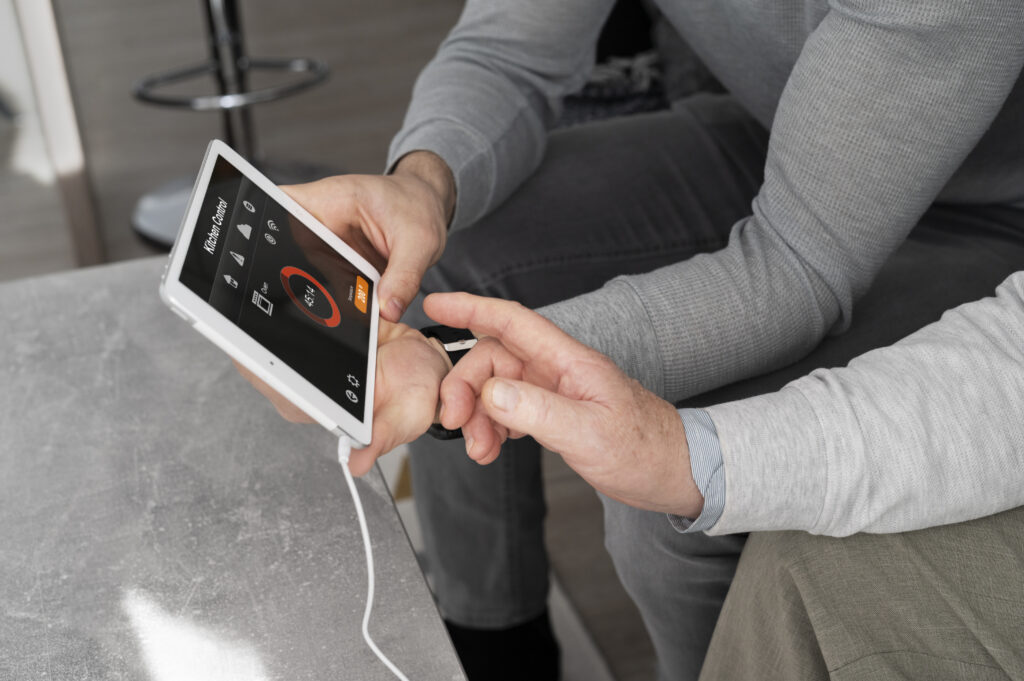
- Smart and Wi-Fi thermostats – take control and convenience a step further. These models connect to your home’s internet, allowing you to adjust settings remotely from a smartphone or tablet. Many smart thermostats also learn your habits over time, optimize energy use automatically, and provide system performance insights—making them ideal for modern homes focused on efficiency and comfort.
6 Common Thermostat Problems Homeowners Face
1. Thermostat Not Turning the System On or Off
One of the most frustrating thermostat issues is when your HVAC system simply doesn’t respond. You adjust the temperature, but nothing happens. In many cases, the problem is related to power or wiring. Loose connections, tripped breakers, blown fuses, or aging wiring can prevent the thermostat from sending signals to your system. For battery-powered thermostats, weak or dead batteries are often the simplest and most overlooked cause.
2. Incorrect Temperature Readings
If your home feels too warm or too cold despite the thermostat setting, inaccurate temperature readings may be the issue. Miscalibration can cause the thermostat to misread indoor conditions, leading to poor comfort and inefficient system operation. Placement also plays a major role. Thermostats installed near windows, doors, supply vents, kitchens, or in direct sunlight can sense false temperatures that don’t reflect the rest of the home.
3. HVAC System Short Cycling
Short cycling occurs when your HVAC system turns on and off rapidly without completing a full cooling or heating cycle. Thermostat sensitivity issues, incorrect settings, or faulty internal sensors can trigger this behavior. Short cycling increases energy use, puts extra wear on system components, and often signals that the thermostat is not communicating properly with the HVAC system.
4. Thermostat Screen Is Blank or Unresponsive
A blank or frozen display usually points to a power issue. Dead batteries are the most common culprit, but hardwired thermostats can also lose power due to tripped breakers, blown fuses, or wiring problems at the control board. In some cases, internal thermostat components fail over time, especially in older units, causing the screen to stop responding altogether.
5. System Runs Constantly
When an HVAC system won’t shut off, the thermostat may be sending incorrect signals. Faulty temperature sensors can make the thermostat think your home never reaches the set temperature. Incorrect programming, manual override settings, or outdated firmware on smart thermostats can also cause the system to run continuously, leading to higher energy bills and unnecessary strain on your equipment.
6. Thermostat Won’t Connect to Wi-Fi (Smart Models)
Smart thermostat connectivity issues are increasingly common in modern homes. Weak Wi-Fi signals, network outages, or router compatibility problems can interrupt communication. Firmware updates that fail to install properly or incompatibility between the thermostat and your HVAC system can also prevent reliable connections, limiting access to remote control features and energy-saving tools.
Thermostat Settings That Cause Problems
Incorrect Mode Selection (Heat vs Cool)
One of the most common thermostat-related issues comes down to simple mode selection. During seasonal transitions, it’s easy to leave the thermostat set to heat when cooling is needed or vice versa. In Florida’s climate, where temperatures can fluctuate unexpectedly, this mistake can make it seem like the AC isn’t working at all. Heat pump systems are especially sensitive to incorrect mode settings, as choosing the wrong mode can delay response times or activate the wrong cycle altogether.
Improper Fan Settings
The fan setting plays a bigger role than many homeowners realize. When set to Auto, the fan runs only during heating or cooling cycles, which is ideal for energy efficiency and humidity control. When set to On, the fan runs continuously, even when the system isn’t actively cooling. While this may seem helpful, it can lead to higher energy bills, excess wear on the blower motor, and increased indoor humidity as moisture is reintroduced into the air.
Overlapping or Conflicting Schedules
Programmable and smart thermostats offer convenience, but incorrect scheduling can cause ongoing comfort issues. Overlapping temperature programs, conflicting weekday and weekend schedules, or frequent manual overrides can confuse the system and lead to unexpected temperature changes. In some cases, the thermostat may constantly adjust settings throughout the day, forcing the HVAC system to work harder than necessary and creating inconsistent comfort levels.
DIY Thermostat Troubleshooting Steps
1. Check Power and Batteries
Before assuming your thermostat or HVAC system is failing, start with the basics. Many thermostats rely on batteries even if they’re hardwired. Weak or dead batteries can cause blank screens, delayed responses, or incorrect temperature readings. Replace batteries at least once a year, use the manufacturer-recommended type, and avoid mixing old and new batteries to prevent voltage issues.
2. Verify Thermostat Placement
Thermostat location has a major impact on performance. Units placed near windows, exterior doors, supply vents, kitchens, or electronics can receive false temperature readings. Direct sunlight, drafts, or heat-producing appliances can trick the thermostat into cycling the system too often or not enough. Ideally, the thermostat should be installed on an interior wall, away from airflow and heat sources, at about eye level.
3. Resetting the Thermostat
If your thermostat behaves erratically, a reset can often resolve the issue. A soft reset typically clears temporary glitches while preserving schedules and settings. A factory reset restores the thermostat to its original configuration and may be necessary after power surges, Wi-Fi issues, or firmware errors. Always follow the manufacturer’s reset instructions to avoid erasing important settings unintentionally.
4. Inspect Wiring Connections (Safely)
Loose or corroded wiring can prevent the thermostat from communicating properly with your HVAC system. Turn off power at the breaker before removing the thermostat faceplate. Check for wires that are loose, damaged, or showing signs of corrosion. If you notice brittle insulation or burnt connections, stop and contact a professional, as electrical issues can damage both the thermostat and the HVAC system.
5. Update Software or Firmware (Smart Thermostats)
Smart thermostats depend on up-to-date software to function correctly. Outdated firmware can cause connectivity problems, inaccurate readings, or app control issues. Check the manufacturer’s app or settings menu for available updates and enable automatic updates when possible. Keeping firmware current ensures better performance, improved security, and compatibility with your HVAC system.
4 Thermostat Problems That Require Professional Help
1. Wiring or Voltage Issues
If your thermostat shows signs of power loss, erratic behavior, or keeps resetting, the issue may go beyond batteries or settings. Wiring problems or incorrect voltage can damage both the thermostat and the HVAC system if left unchecked. Since HVAC systems operate on specific low-voltage requirements, even a small wiring mistake can short components or burn out transformers. A licensed technician can safely test voltage, inspect wiring paths, and correct issues without risking system damage.
2. HVAC Control Board Compatibility Problems
Not all thermostats are compatible with all HVAC systems, especially when pairing newer smart thermostats with older equipment. Control boards in legacy systems may not support advanced features like variable-speed operation, multi-stage cooling, or Wi-Fi connectivity. This mismatch can lead to systems that won’t turn on, run continuously, or ignore thermostat commands. A professional can confirm compatibility and recommend either the correct thermostat or necessary system upgrades.
3. Persistent Temperature Imbalances
When some rooms stay too warm or too cold even after recalibration, the thermostat may not be the root cause. Persistent imbalances often point to deeper issues such as airflow restrictions, duct design problems, zoning conflicts, or sensor placement limitations. In these cases, adjusting thermostat settings alone won’t solve the comfort issue. An HVAC professional can assess airflow, ductwork, and system performance to identify and fix the underlying cause.
4. Smart Thermostat Installation Errors
Smart thermostats offer advanced control, but improper installation can create ongoing problems. Missing common (C) wires, incorrect terminal connections, or misconfigured system settings can cause short cycling, Wi-Fi dropouts, or total system failure. Because smart thermostats integrate directly with HVAC electronics, professional installation ensures proper wiring, correct configuration, and full use of energy-saving features without risking system reliability.
How Thermostat Issues Affect HVAC Performance
Energy Efficiency Loss
A malfunctioning or poorly configured thermostat can quietly drain your home’s energy efficiency. When temperature readings are inaccurate or schedules don’t function properly, your HVAC system may run longer or cycle more often than needed. This leads to increased utility bills, even when your usage habits haven’t changed. Over time, small inefficiencies caused by thermostat issues can add up to significant energy waste and higher monthly cooling or heating costs.
Reduced Comfort & Inconsistent Temperatures
Thermostat problems often show up first as comfort complaints. Rooms may feel too warm, too cold, or fluctuate throughout the day despite consistent settings. Incorrect temperature sensing, poor thermostat placement, or communication issues between the thermostat and HVAC system can prevent your equipment from responding accurately. The result is uneven cooling or heating that makes it difficult to maintain a stable, comfortable indoor environment.
Increased Wear and Tear on HVAC Equipment
When a thermostat sends incorrect or frequent signals, your HVAC system is forced to work harder than it should. Short cycling, extended run times, and unnecessary starts and stops place extra stress on components like compressors, fans, and motors. Over time, this added strain increases wear and tear, shortens system lifespan, and raises the likelihood of costly repairs. Addressing thermostat issues early helps protect your HVAC investment and keeps your system running more smoothly for longer.
When to Repair vs Replace Your Thermostat
Age and Technology Limitations
The age and type of your thermostat play a major role in deciding whether air conditioning repair in Sarasota or AC replacement in Sarasota is the smarter option. Older manual thermostats and early programmable models lack the precision and efficiency of modern technology. These outdated units often struggle with accurate temperature sensing, offer limited scheduling options, and can’t adapt to changing comfort needs. If your thermostat is more than 10–15 years old or relies on basic manual controls, replacement is usually the better long-term solution.
Cost of Repair vs Upgrade
In some cases, a simple repair such as replacing batteries, tightening wiring, or recalibrating the thermostat can restore normal operation at minimal cost. However, if repairs involve recurring issues, faulty internal components, or compatibility problems with your HVAC system, costs can quickly add up. When repair expenses begin to approach the cost of a new thermostat, upgrading makes more financial sense. A replacement not only resolves current problems but also prevents future issues tied to aging hardware.
Benefits of Modern and Smart Thermostats
Upgrading to a modern or smart thermostat delivers immediate and long-term advantages. Newer models provide more accurate temperature control, customizable schedules, and improved energy efficiency. Smart thermostats go a step further by learning usage patterns, adjusting automatically, and allowing remote control through mobile apps. Many also integrate with smart home systems and offer energy usage insights that help lower utility bills. For homeowners seeking better comfort, convenience, and efficiency, replacing an outdated thermostat is often a worthwhile investment.
Choosing the Right Thermostat for Your Home
Compatibility With Your HVAC System
Before choosing a thermostat, it’s essential to make sure it’s compatible with your HVAC setup. Not all thermostats work with every system, especially in homes with more advanced equipment. Heat pumps often require thermostats that can manage auxiliary or emergency heat without causing efficiency issues. Multi-stage systems need thermostats capable of controlling multiple heating and cooling levels to deliver smooth, consistent comfort. Homes with zoning systems also require thermostats designed to communicate properly with zone dampers and control panels. Choosing the wrong thermostat can lead to poor performance, short cycling, or even system damage, which is why compatibility should always come first.
Lifestyle and Scheduling Needs
Your daily routine should guide the type of thermostat you select. If your schedule is consistent, a programmable thermostat that follows set temperature changes throughout the day may be enough. For households with changing routines, travel, or work-from-home flexibility, a thermostat that adapts to occupancy or allows quick schedule changes can make a noticeable difference. Families, retirees, and vacation homeowners all have different comfort patterns, and the right thermostat should support those needs without requiring constant manual adjustments.
Smart Features That Improve Comfort and Savings
Modern smart thermostats offer features that go well beyond basic temperature control. Many models learn your habits over time and automatically adjust settings for optimal comfort and efficiency. Wi-Fi connectivity allows you to control temperatures remotely, helping prevent wasted energy when no one is home. Advanced sensors can balance temperatures more evenly across rooms, while energy reports provide insights into usage and savings opportunities. These smart features not only make homes more comfortable but also help reduce energy costs and extend the life of your HVAC system.
Preventing Future Thermostat Problems
Regular HVAC Maintenance
Routine AC maintenance in Sarasota plays a major role in keeping your thermostat working accurately. During scheduled tune-ups, technicians check system performance, airflow, and temperature response to ensure the thermostat is reading conditions correctly and communicating properly with your equipment. Maintenance also helps identify early issues like calibration drift, wiring wear, or system imbalances that can cause the thermostat to behave unpredictably. When your HVAC system is clean, balanced, and operating efficiently, your thermostat can do its job without overcompensating or sending incorrect signals.
Proper Installation and Placement
Even the best thermostat can cause problems if it’s installed incorrectly or placed in the wrong location. Thermostats should be mounted on interior walls away from direct sunlight, drafts, supply vents, doors, windows, and heat-producing appliances. Poor placement can cause false readings, leading to uneven comfort, short cycling, or excessive runtime. Professional AC installation in Sarasota ensures correct wiring, secure connections, and optimal placement so the thermostat reflects the true temperature of your living space.
Seasonal Setting Checks
As seasons change, thermostat settings should be reviewed and adjusted to match current weather and comfort needs. Switching between heating and cooling modes, adjusting temperature schedules, and reviewing fan settings can prevent unnecessary system strain. Seasonal checks also help catch programming conflicts or outdated schedules that may no longer fit your routine. A quick review at the start of summer and winter can go a long way toward preventing comfort issues, higher energy bills, and unexpected HVAC problems.
FAQs About Thermostat Problems & Fixes
This usually happens when the thermostat is reading air in a location that doesn’t reflect the overall room temperature. Poor placement near windows, vents, sunlight, or exterior walls can skew readings. Dust buildup inside the thermostat or a calibration issue can also cause inaccurate temperature sensing, making the room feel warmer or cooler than what’s displayed.
For most battery-powered thermostats, batteries should be replaced about once a year. If your thermostat shows low-battery warnings, has a dim screen, or starts behaving inconsistently, it’s best to replace the batteries immediately. Smart thermostats may last longer but still need periodic checks to avoid unexpected shutdowns.
Yes. A malfunctioning thermostat can prevent your HVAC system from turning on, cycling properly, or responding to temperature changes. Issues like faulty wiring, dead batteries, or internal sensor failure can make it seem like the AC or heater is broken when the thermostat is actually the problem.
For many homeowners, smart thermostats are worth the upgrade. They offer better temperature control, energy-saving scheduling, remote access, and detailed usage insights. In Florida’s climate, smart features can help manage humidity and reduce unnecessary system runtime, which can lower energy bills over time.
Compatibility depends on your system type, such as single-stage, multi-stage, heat pump, or zoned systems, as well as wiring and voltage requirements. Checking your HVAC system specifications or consulting a professional is the safest way to ensure compatibility. Installing an incompatible thermostat can lead to performance issues or even system damage.
If Your Comfort’s Off by a Degree, It’s Time to Call a Pro!
Thermostat problems may seem minor at first, but they can quietly undermine your comfort, energy efficiency, and even the lifespan of your HVAC system. From inaccurate temperature readings to constant cycling and rising utility bills, a faulty or outdated thermostat can create bigger issues if left unaddressed. To make your home more comfortable and safe for any upcoming events and holidays we also offer residential HVAC services in Sarasota, indoor in quality in Sarasota, and attic insulation in Sarasota. Knowing when a simple adjustment is enough and when professional help is needed can save you frustration, money, and unnecessary wear on your system.
If your thermostat isn’t behaving the way it should, Pino’s Air as a trusted HVAC contractor in Sarasota are here to help you get things back on track. We’ll take the guesswork out of troubleshooting, repairs, or upgrades and make sure your thermostat works seamlessly with your HVAC system. Give us a call at 941-249-4438 or contact us today, and let’s dial in your comfort the right way.