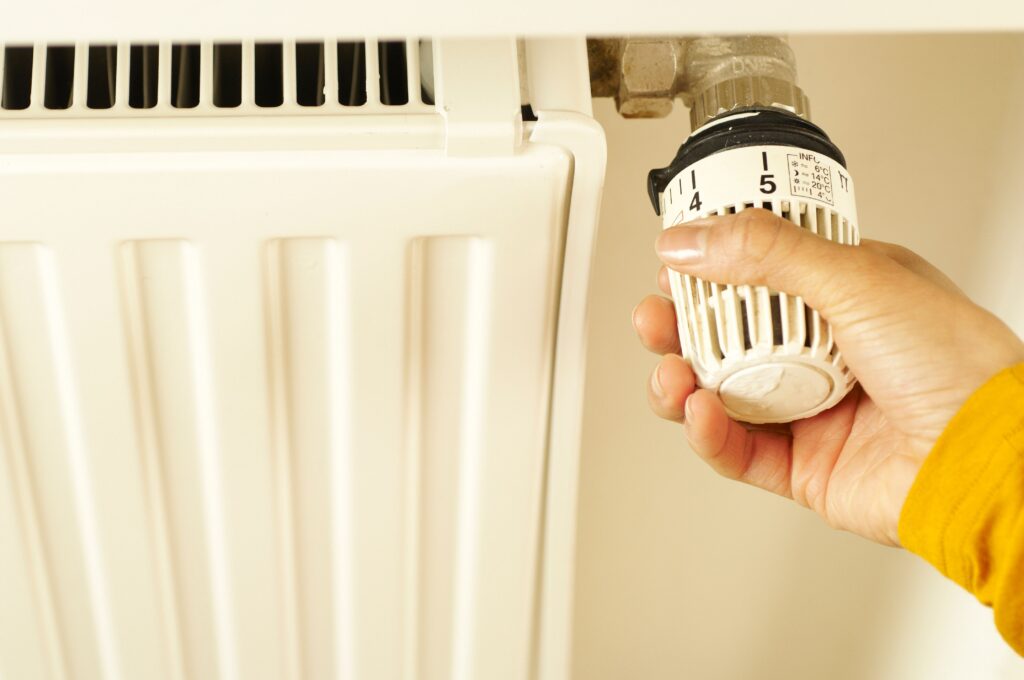
Many older homes still rely on manual thermostats or basic programmable models that were installed years, or even decades, ago. While these devices may still control the HVAC system, they often lack the precision, convenience, and energy-saving features available in today’s thermostat technology. As heating and cooling systems become more advanced, homeowners are increasingly discovering that upgrading the thermostat can be one of the simplest ways to improve comfort and gain better control over indoor temperatures without replacing the entire HVAC system.
Modern thermostats offer features such as Wi-Fi connectivity, smartphone control, automated scheduling, energy usage tracking, and humidity monitoring. However, upgrading a thermostat in an older home is not always as straightforward as swapping out one device for another. Factors such as HVAC compatibility, wiring configurations, C-wire requirements, and existing system limitations can all influence the installation process. In this guide, we’ll explore what homeowners should know before upgrading a thermostat in an older home, the benefits of modern thermostat technology, and how to ensure the new system works properly with existing HVAC equipment.
Why Consider a Thermostat Upgrade in an Older Home?
Upgrading the thermostat in an older home can be a practical way to improve comfort, convenience, and HVAC control without making a major system change. Older thermostats may still turn the heating or cooling system on and off, but they often lack the accuracy and flexibility homeowners need today. A newer thermostat can help manage temperatures more precisely, reduce unnecessary HVAC runtime, and give homeowners better insight into how their system is being used.
Aging Thermostat Technology
Many older homes still have manual thermostats or early programmable models that offer limited control. These devices may become less accurate over time, leading to temperature swings, frequent adjustments, or inconsistent comfort. Upgrading to a newer thermostat can provide more precise temperature readings and more reliable communication with the HVAC system.
Improving Home Comfort
A thermostat upgrade can help make indoor comfort more consistent. Modern thermostats allow homeowners to create schedules, adjust settings more easily, and manage temperature changes throughout the day. This is especially helpful in older homes that may have uneven temperatures, aging ductwork, or rooms that warm up and cool down at different rates.
Increasing Energy Efficiency
Newer thermostats can support better energy efficiency by reducing unnecessary heating and cooling. Programmable and smart models allow homeowners to set schedules based on daily routines, raise or lower temperatures when the home is empty, and avoid running the HVAC system more than needed. Over time, these adjustments may help reduce energy waste and lower utility costs.
Enhancing HVAC System Control
Modern thermostats give homeowners more control over how their HVAC system operates. Depending on the model, features may include mobile app access, system alerts, energy reports, filter reminders, humidity monitoring, and compatibility with multi-stage or heat pump systems. This added control makes it easier to manage comfort and respond to issues before they become bigger problems.
Taking Advantage of Modern Features
Smart thermostats offer features that older models simply cannot provide. Wi-Fi connectivity, remote temperature control, geofencing, occupancy detection, learning schedules, voice assistant compatibility, and energy usage tracking can make daily comfort management more convenient. For older homes, these features can bring modern comfort control to existing HVAC systems when compatibility and wiring requirements are properly addressed.
Understanding the 4 Types of Thermostats Available Today
Homeowners have more thermostat options today than ever before. The right choice depends on your HVAC system, wiring, comfort preferences, and how much control you want over temperature settings. For older homes, it is especially important to understand the differences between thermostat types before upgrading, since not every model is compatible with every system.
1. Manual Thermostats
Manual thermostats are the most basic option. They allow homeowners to adjust the temperature by turning a dial, moving a lever, or pressing simple controls. While they are easy to use, they do not offer scheduling, remote access, energy reports, or automation. In older homes, manual thermostats may still work, but they often lack the precision and convenience of newer models.
2. Programmable Thermostats
Programmable thermostats allow homeowners to create temperature schedules for different times of the day or week. For example, you can set the temperature higher while you are away and return it to a comfortable setting before you get home. These thermostats can help reduce unnecessary HVAC runtime, but they require proper programming to deliver the best results.
3. Wi-Fi Thermostats
Wi-Fi thermostats connect to your home internet network, allowing you to control the thermostat from a smartphone, tablet, or computer. This is helpful if you want to adjust settings while away from home or monitor your HVAC system remotely. Wi-Fi thermostats offer more convenience than standard programmable models, but compatibility and wiring requirements should still be checked before installation.
4. Smart Thermostats
Smart thermostats offer the most advanced features. Many models include Wi-Fi access, mobile app control, learning capabilities, occupancy detection, geofencing, energy usage reports, humidity monitoring, and smart home integration. These features can help improve comfort and efficiency, especially when the thermostat is set up correctly. In older homes, smart thermostats can be a valuable upgrade, but professional installation may be needed to confirm wiring, C-wire availability, and HVAC compatibility.
6 Signs It May Be Time to Replace an Older Thermostat
1. Inaccurate Temperature Readings
One of the most common signs of a failing thermostat is inaccurate temperature readings. If the thermostat displays a temperature that feels noticeably different from the actual room conditions, the sensor may no longer be working correctly. Inaccurate readings can cause the HVAC system to run longer than necessary or shut off too soon, leading to comfort issues throughout the home.
2. Frequent Manual Adjustments
If you find yourself constantly adjusting the thermostat to stay comfortable, it may be time for an upgrade. Older thermostats often lack the precision and scheduling capabilities available in modern models. A newer thermostat can help maintain more consistent temperatures automatically, reducing the need for frequent manual changes.
3. Uneven Indoor Comfort
Hot and cold spots throughout the home may not always be caused by the HVAC system itself. An outdated thermostat may struggle to monitor temperatures accurately or communicate effectively with the equipment. While uneven comfort can also be related to airflow or ductwork issues, replacing an aging thermostat may help improve temperature consistency.
4. Rising Energy Bills
An inefficient thermostat can contribute to unnecessary HVAC runtime and increased energy consumption. If your utility bills continue to rise without a clear explanation, the thermostat may not be controlling the system as efficiently as it once did. Modern programmable and smart thermostats can help reduce energy waste through better scheduling and more precise temperature control.
5. HVAC System Short Cycling
Short cycling occurs when the HVAC system turns on and off more frequently than normal. While several factors can cause this problem, a malfunctioning thermostat is one possible culprit. Faulty temperature readings, improper calibration, or aging controls may trigger unnecessary system cycles, which can reduce efficiency and increase wear on HVAC components.
6. Outdated Controls and Missing Features
Older thermostats often lack features that homeowners now expect, such as programmable schedules, Wi-Fi connectivity, smartphone access, energy usage reports, humidity monitoring, and smart home integration. If your thermostat cannot provide the level of control and convenience you want, upgrading to a newer model may offer significant benefits without requiring a complete HVAC replacement.
5 Common Challenges When Upgrading Thermostats in Older Homes
1. Older HVAC System Compatibility
Not every modern thermostat is compatible with older HVAC equipment. Some older systems may use basic single-stage controls, while others may have unique wiring or equipment configurations that newer thermostats do not automatically support. Before upgrading, it is important to confirm that the thermostat can communicate correctly with the heating and cooling system.
2. Limited Wiring Configurations
Older homes may have fewer thermostat wires than newer homes. A basic thermostat may only use a few wires to control heating and cooling, while modern programmable, Wi-Fi, or smart thermostats may need additional connections. Limited wiring can affect available features or require wiring updates before the new thermostat can operate correctly.
3. Missing C-Wire Requirements
Many smart thermostats require a C-wire, or common wire, to provide continuous power. Older thermostat setups often do not include this wire because older devices did not need constant power. If a C-wire is missing, homeowners may need an adapter, additional wiring, or professional installation to power the thermostat safely and reliably.
4. Multiple HVAC Systems and Zones
Some older homes have multiple HVAC systems, separate heating and cooling equipment, or zoned comfort areas controlled by different thermostats. Upgrading these setups can be more complex because each zone or system may have different wiring and compatibility needs. A professional evaluation can help determine whether one thermostat, multiple thermostats, or a specific zoning-compatible model is required.
5. Electrical and Control Limitations
Older HVAC systems may have electrical or control limitations that affect thermostat upgrades. Some systems may use low-voltage controls, line-voltage controls, older relays, or equipment-specific wiring that must be handled carefully. Incorrect installation can cause system malfunctions or damage. Having the wiring and control setup inspected before upgrading helps ensure the new thermostat is installed safely and configured correctly.
6 Benefits of Installing a Smart Thermostat in an Older Home
1. Remote Temperature Control
A smart thermostat allows homeowners to adjust indoor temperatures from a smartphone, tablet, or connected device. This is helpful if you forget to change the thermostat before leaving, want to cool the home before returning, or need to monitor settings while away. Remote access gives older homes a modern level of comfort control.
2. Energy Usage Tracking
Many smart thermostats provide reports that show HVAC runtime, energy use patterns, and how temperature settings affect system operation. These insights can help homeowners identify wasteful habits and make smarter adjustments. In older homes, where HVAC systems may already work harder due to insulation or airflow limitations, energy tracking can be especially useful.
3. Automated Scheduling
Automated scheduling allows the thermostat to adjust temperatures based on your daily routine. You can set different temperatures for mornings, evenings, sleeping hours, workdays, weekends, and vacations. This helps reduce unnecessary HVAC runtime when the home is empty while keeping living spaces comfortable when they are occupied.
4. Occupancy Detection and Geofencing
Some smart thermostats use occupancy detection or geofencing to adjust settings automatically. Occupancy detection can sense when people are home, while geofencing uses your phone’s location to recognize when you leave or return. These features help the system avoid cooling or heating an empty home more than necessary.
5. Integration with Smart Home Systems
Smart thermostats can often connect with voice assistants, smart speakers, security systems, and home automation platforms. This allows homeowners to control temperature settings through voice commands or routines. For older homes, smart home integration can add convenience and modern functionality without major remodeling.
6. Potential Energy Savings
A smart thermostat may help lower energy costs by reducing unnecessary runtime and improving scheduling accuracy. Actual savings depend on the home, HVAC system, thermostat settings, and daily habits. When installed properly and paired with regular HVAC maintenance, a smart thermostat can help older homes operate more efficiently while maintaining reliable comfort.
Preparing an Older HVAC System for a Thermostat Upgrade
Before installing a new thermostat in an older home, it is important to make sure the HVAC system is ready for the upgrade. A modern thermostat can improve control and convenience, but it cannot correct existing system problems on its own. Checking the equipment, wiring, airflow, and overall performance first helps ensure the new thermostat works properly and supports better comfort instead of creating new issues.
Inspecting Existing Equipment
The first step is to inspect the existing HVAC equipment. This includes checking the air conditioner, furnace, heat pump, air handler, control board, and any connected accessories. Older systems may have wiring limitations, aging components, or control setups that affect thermostat compatibility. A professional inspection can help determine whether the system can support a programmable, Wi-Fi, or smart thermostat.
Evaluating System Performance
Before upgrading the thermostat, homeowners should understand how the HVAC system is currently performing. If the system already struggles with uneven temperatures, weak airflow, short cycling, humidity problems, or long runtimes, a thermostat upgrade alone may not solve the issue. Evaluating performance helps identify whether the problem is related to the thermostat, equipment condition, ductwork, or maintenance needs.
Addressing Existing HVAC Issues First
Any existing HVAC problems should be addressed before installing a new thermostat. Issues such as dirty coils, clogged filters, refrigerant concerns, worn electrical components, blocked drain lines, or airflow restrictions can affect how well the system responds to thermostat commands. Fixing these concerns first helps the new thermostat deliver more accurate control and better performance.
Verifying Electrical Connections
Older homes may have outdated thermostat wiring or limited electrical connections. Before installation, it is important to verify wire labels, voltage type, C-wire availability, and system control requirements. Incorrect wiring can prevent the thermostat from working properly or may even damage the HVAC equipment. A professional can confirm the wiring setup and recommend solutions if additional wiring or adapters are needed.
Ensuring Proper Airflow and Maintenance
Good airflow is essential for accurate thermostat performance and efficient HVAC operation. Dirty filters, blocked vents, duct leaks, or poorly maintained equipment can cause comfort issues even with a new thermostat. Before upgrading, homeowners should replace filters, clear vents, and schedule maintenance if the system has not been serviced recently. A well-maintained HVAC system allows the new thermostat to manage comfort more effectively.
Thermostat Features Worth Considering
When upgrading a thermostat in an older home, the best choice is not always the model with the longest feature list. The right thermostat should match your HVAC system, wiring, comfort needs, and daily routine. Modern thermostats offer several helpful features that can improve convenience, support energy efficiency, and give homeowners better control over indoor comfort.
Wi-Fi Connectivity
Wi-Fi connectivity allows the thermostat to connect to your home’s internet network. This feature makes it possible to access settings, updates, and system information through connected apps or smart home platforms. For older homes, Wi-Fi thermostats can add modern control without requiring a full HVAC system replacement, as long as the wiring and equipment are compatible.
Mobile App Control
Mobile app control lets homeowners adjust temperatures, change schedules, and monitor system activity from a smartphone or tablet. This can be especially useful if you travel, work long hours, or forget to adjust the thermostat before leaving home. With app access, you can make changes from almost anywhere and avoid unnecessary heating or cooling while the home is empty.
Voice Assistant Compatibility
Some thermostats can connect with voice assistants, allowing homeowners to adjust settings using simple voice commands. This can make daily comfort control easier, especially for households already using smart home devices. Before choosing a thermostat, it is helpful to confirm whether it works with your preferred smart home platform.
Energy Reports and Insights
Energy reports can show how often your HVAC system runs and how thermostat settings affect energy use. These insights can help homeowners identify patterns, adjust schedules, and reduce unnecessary runtime. In older homes, where insulation, ductwork, or equipment age may affect efficiency, energy reports can provide useful information for improving comfort and managing utility costs.
Humidity Monitoring
Humidity monitoring is especially valuable in Florida homes. A thermostat with humidity readings can help homeowners understand why a room may feel sticky or uncomfortable even when the temperature looks right. Some models can also work with compatible HVAC systems or dehumidifiers to support better moisture control. This feature can be helpful for improving comfort and protecting indoor air quality.
Maintenance Reminders and Alerts
Maintenance reminders and alerts help homeowners stay on top of routine HVAC care. Depending on the thermostat, alerts may include filter change reminders, system runtime notices, temperature warnings, or service reminders. These features can help prevent neglected maintenance, support better system performance, and reduce the risk of avoidable HVAC problems.
6 Common Mistakes to Avoid When Upgrading Thermostats
1. Choosing a Thermostat Based Only on Features
A thermostat with advanced features may look appealing, but features alone should not guide the decision. Wi-Fi access, voice control, energy reports, and smart scheduling are only helpful if the thermostat is compatible with the HVAC system and easy for the household to use. Homeowners should choose a model that fits their system type, wiring, comfort needs, and daily habits.
2. Ignoring HVAC Compatibility
Not every thermostat works with every HVAC system. Older homes may have single-stage systems, heat pumps, boilers, zoned systems, or older control setups that require specific thermostat compatibility. Choosing the wrong model can lead to improper operation, lost features, or system communication issues. Compatibility should always be verified before installation.
3. Overlooking Wiring Requirements
Modern thermostats often require wiring that older homes may not have. A missing C-wire, limited low-voltage wiring, or unclear wire labeling can complicate installation. Overlooking wiring requirements can cause power issues, thermostat malfunctions, or HVAC control problems. A professional can inspect the wiring and recommend the right solution if updates or adapters are needed.
4. Improper Thermostat Placement
Thermostat placement affects how accurately the device reads indoor temperature. Installing it near direct sunlight, windows, exterior doors, vents, kitchens, or heat-producing electronics can cause false readings. This may make the HVAC system run too often or not enough. The thermostat should be located in a central area that reflects the home’s average indoor conditions.
5. Incorrect System Programming
Even a properly installed thermostat can underperform if it is programmed incorrectly. Wrong system settings, unrealistic schedules, incorrect heat pump configuration, or ignored humidity features can affect comfort and efficiency. After installation, the thermostat should be configured based on the HVAC system, household routine, and climate needs.
6. Attempting Complex Installations Without Assistance
Some thermostat upgrades are simple, but older homes can present hidden challenges. Multiple systems, zoning, heat pumps, missing wires, or older electrical controls may require professional installation. Attempting a complex installation without help can lead to wiring mistakes, system damage, or unreliable operation. When in doubt, working with an HVAC professional can save time and prevent costly issues.
How Pino’s Air Can Help with Thermostat Upgrades
Pino’s Air Conditioning and Heating helps Sarasota homeowners upgrade older thermostats with the right balance of compatibility, comfort, and convenience. Replacing a thermostat in an older home can involve more than choosing a modern device. Wiring, HVAC system type, C-wire availability, heat pump settings, zoning, and equipment performance all need to be considered. Our team can evaluate your current setup and recommend thermostat options that work properly with your home’s existing HVAC system.
Thermostat Compatibility Evaluations
Before installing a new thermostat, Pino’s Air can check whether your HVAC system is compatible with the thermostat you want. We can review your system type, wiring, control board, staging, heat pump configuration, and any zoning requirements. This helps prevent issues such as incorrect operation, power problems, or missing thermostat features after installation.
Smart Thermostat Recommendations
Not every smart thermostat is the right fit for every older home. Pino’s Air can recommend thermostat options based on your comfort goals, HVAC equipment, wiring setup, smart home preferences, and budget. Whether you want Wi-Fi control, mobile app access, humidity monitoring, scheduling, or energy usage reports, we can help you choose a model that makes sense for your home.
Professional Installation Services
Professional AC installation in Sarasota helps ensure your new thermostat is wired, mounted, and configured correctly. Pino’s Air can remove the old thermostat, install the new device, connect it to your HVAC system, set up basic controls, and test operation. This helps reduce the risk of wiring mistakes and ensures your thermostat communicates properly with your equipment.
HVAC Performance Assessments
A thermostat upgrade works best when the HVAC system behind it is operating properly. Pino’s Air can assess your system’s performance, airflow, refrigerant levels, filters, drain lines, electrical components, and overall condition. If comfort issues are caused by the HVAC system rather than the thermostat, we can identify the problem and recommend the right next step.
Smart Home Integration Assistance
For homeowners who want connected comfort, Pino’s Air can help with basic smart thermostat integration. This may include connecting the thermostat to Wi-Fi, pairing it with a mobile app, setting schedules, and helping you understand available features. A properly connected thermostat makes it easier to manage comfort from home or away.
Ongoing HVAC Maintenance and Support
After installation, Pino’s Air can provide ongoing AC maintenance in Sarasota and support to keep your HVAC system working efficiently with your new thermostat. Routine service helps protect airflow, system reliability, and energy performance. With the right thermostat setup and regular HVAC care, older homes can enjoy more modern comfort control and dependable year-round performance.
FAQs About Upgrading Thermostats in Older Homes
Yes, many older homes can support a smart thermostat, but compatibility should be checked first. The HVAC system type, thermostat wiring, voltage, C-wire availability, and equipment configuration all matter. Some older systems may need wiring updates, adapters, or professional setup before a smart thermostat can be installed safely.
If your home does not have a C-wire, you may still have options. Some thermostats can use a power adapter, while others may require a new wire to be installed. Because a C-wire provides continuous power for many smart thermostats, it is best to have an HVAC professional inspect the wiring and recommend the right solution.
A new thermostat can help improve energy efficiency by allowing better scheduling, more accurate temperature control, and reduced unnecessary HVAC runtime. However, actual savings depend on the condition of the HVAC system, insulation, ductwork, thermostat settings, and daily habits. A thermostat upgrade works best when the system is properly maintained.
Some smart thermostats are compatible with older HVAC systems, but not all. Compatibility depends on whether the system is single-stage, multi-stage, a heat pump, zoned, boiler-based, or uses older control wiring. Before purchasing a smart thermostat, it is important to verify that it can communicate properly with your existing equipment.
Thermostat installation can often be completed fairly quickly when the wiring is simple and the HVAC system is compatible. However, older homes may require more time if wires are missing, a C-wire needs to be added, or the system setup is more complex. A professional evaluation can give homeowners a clearer idea of what to expect.
In some cases, upgrading the thermostat before replacing the HVAC system can improve comfort and control. However, if your HVAC system is old, unreliable, or incompatible with newer thermostat features, it may be better to evaluate the entire system first. A professional can help determine whether a thermostat upgrade, HVAC repair, or system replacement makes the most sense.
Yes, professional installation is often worth it, especially in older homes. An HVAC professional can verify compatibility, inspect wiring, install the thermostat correctly, configure system settings, and test operation. This helps prevent wiring mistakes, lost features, comfort problems, and potential equipment issues.
Upgrade Your Thermostat and Let Comfort Call the Shots!
Upgrading a thermostat in an older home can improve comfort, convenience, and energy efficiency without requiring a full HVAC replacement. However, compatibility, wiring, C-wire requirements, system type, thermostat placement, and proper programming all matter. With the right thermostat and setup, homeowners can gain better temperature control, remote access, smart scheduling, humidity monitoring, and useful system alerts.
If you’re ready to upgrade your thermostat, we’re here to help. At Pino’s Air Conditioning and Heating as a trusted HVAC contractor in Sarasota, we can evaluate your HVAC system, check wiring compatibility, recommend the right thermostat, and install it correctly for your home’s needs. We also offer AC replacement in Sarasota, indoor air quality in Sarasota, residential HVAC services in Sarasota, commercial HVAC services in Sarasota, attic insulation in Sarasota, and air conditioning repair in Sarasota. Call us today at 941-564-9070 or contact us to schedule your thermostat upgrade.