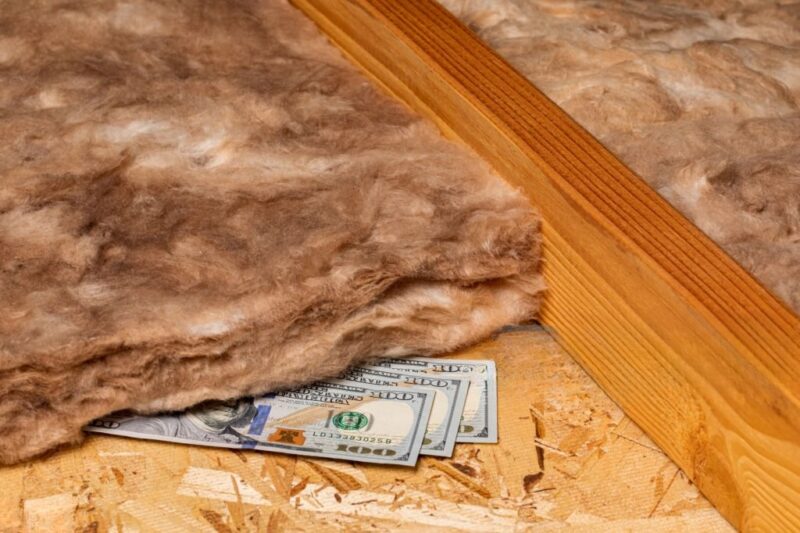
Attic insulation plays a major role in maintaining indoor comfort and supporting your home’s energy efficiency, but the cost of installing or upgrading it isn’t the same for every homeowner. Factors such as attic size, insulation material, existing attic conditions, labor requirements, and the amount of insulation needed can all influence the final price. While online estimates may provide a general starting point, they rarely account for the unique characteristics of your home.
Understanding what affects the cost of attic insulation can help you make informed decisions and better evaluate contractor estimates. In this guide, we’ll break down the key factors that influence pricing, explain how different insulation options compare, and highlight additional services that may impact your investment. Whether you’re adding insulation to an older home or planning a new installation, knowing what goes into the cost can help you budget with confidence and choose the right solution for your home.
What Is the Average Cost of Attic Insulation?
The average cost of attic insulation can vary significantly based on the attic’s size, the material selected, the recommended R-value, and the amount of preparation required. Published national estimates commonly place professionally installed attic insulation between approximately $1 and $7 per square foot, with total project prices often ranging from around $1,500 to $6,000. However, projects involving spray foam, insulation removal, moisture damage, pest contamination, air sealing, or difficult attic access may fall outside these general ranges.
Typical Cost Ranges by Project Size
Project size directly affects how much insulation and labor will be required. A smaller attic or a limited insulation top-up may cost considerably less than insulating a large attic with little existing coverage. As a simple example, a 500-square-foot space will require fewer bags, rolls, or board feet of insulation than a 1,500-square-foot attic. The final cost will also depend on whether the entire attic is being insulated, whether only thin areas need additional material, and whether the insulation is installed along the attic floor or roof deck. Homeowners should treat square-foot estimates as a starting point rather than a final quote because two attics of the same size can have very different conditions and installation requirements.
Material Costs vs. Installation Costs
The project price includes more than the insulation material itself. Material costs depend on whether the contractor uses fiberglass batts, blown-in fiberglass, cellulose, spray foam, or another approved insulation product. Installation costs may cover labor, equipment, protective materials, attic preparation, cleanup, and the time needed to achieve consistent coverage at the specified depth. Some systems require specialized machinery or more experienced installers, which can increase labor expenses. Additional work such as removing damaged insulation, sealing air leaks, installing attic baffles, correcting blocked vents, or protecting recessed lighting may also be priced separately. Reviewing the complete scope of work helps homeowners understand why a professional estimate may be higher than the retail cost of insulation alone.
Why Online Cost Estimates Can Differ
Online estimates often differ because they use different project assumptions, locations, materials, labor rates, and attic sizes. One pricing guide may describe a straightforward blown-in insulation top-up, while another may include complete removal, air sealing, cleanup, and a higher-performance insulation system. Published estimates also change over time as labor and material prices shift. Local climate requirements can influence how much insulation is needed, while tight access, low rooflines, existing ductwork, moisture concerns, or pest damage may increase installation time. For these reasons, online figures are most useful for early budgeting. A professional attic evaluation provides a more dependable estimate based on the home’s current insulation, recommended improvements, and actual working conditions.
8 Factors That Affect Attic Insulation Cost
1. Attic Size and Square Footage
Attic size is one of the most direct factors affecting cost because larger spaces require more insulation material and additional installation time. Contractors typically measure the square footage of the area being insulated and calculate how much material is needed to reach the recommended depth. Complex attic shapes, multiple sections, or areas with limited access may also increase labor even when the overall square footage is moderate. A complete attic installation will generally cost more than addressing one small section, but partial coverage may not provide the same level of performance if other areas remain under-insulated.
2. Type of Insulation Material
Different insulation materials have different purchase prices, installation methods, and equipment requirements. Fiberglass batts may be suitable for open, regularly spaced areas, while blown-in fiberglass or cellulose can help cover irregular spaces and gaps more evenly. Spray foam is generally more expensive because it requires specialized equipment, trained installers, and careful application. Material selection should be based on the attic design, moisture conditions, ventilation strategy, and project goals rather than price alone. A lower-cost material may still perform well when installed correctly, while a more expensive product may not be appropriate for every attic.
3. Recommended R-Value for Your Climate
R-value measures an insulation material’s resistance to heat flow. The recommended R-value varies by climate, building design, and the amount of existing insulation in the attic. Homes in hot and humid regions such as Florida may need enough insulation to help slow heat transfer from the attic into the living space. Reaching a higher R-value usually requires additional material, greater installed depth, or a different insulation product, which can increase the project price. A professional assessment can help determine the appropriate target based on the home’s current condition and local requirements.
4. Amount of Insulation Needed
The amount of insulation required depends on how much material is already present and whether it remains effective. An attic with consistent, dry insulation may only need a modest top-up, while an attic with very little coverage may require a full installation. Settled, compressed, or uneven insulation can also create thin areas that need additional material. Contractors may measure the existing depth in several locations before estimating how much new insulation is necessary. The greater the volume of material required to reach the target R-value, the higher the material and labor costs are likely to be.
5. Existing Insulation Condition
Existing insulation can either reduce or increase the total project cost. Clean, dry, and properly positioned material may remain in place, allowing new insulation to be added over it. However, insulation affected by water, pests, mold, smoke, or extensive deterioration may need to be removed before installation can begin. Removal adds labor, equipment, cleanup, and disposal expenses. The attic should also be checked for air leaks, roof damage, and ventilation problems so new insulation is not installed over unresolved concerns that could affect its performance.
6. Labor Requirements
Labor costs depend on the complexity and duration of the project. A simple insulation top-up in an open, easy-to-reach attic may require less time than a project involving removal, air sealing, baffle installation, moisture correction, or work around ductwork and electrical components. Certain insulation materials also require specialized training and equipment. Attic temperature, low clearance, and limited walkable areas can make installation slower and more physically demanding. Professional labor pricing typically reflects preparation, installation, safety procedures, cleanup, and quality-control checks.
7. Geographic Location
Attic insulation pricing can vary by location because material costs, labor rates, building requirements, transportation expenses, and market demand differ between regions. Homes in areas with high construction activity may experience higher contractor pricing or longer scheduling windows. Local climate also influences the type and amount of insulation recommended. In Florida, contractors must account for heat, humidity, severe storms, and common attic moisture concerns when planning the project. These regional factors help explain why a national average may not match the estimate for a specific home.
8. Accessibility of the Attic
Attic accessibility affects how easily installers can bring in materials, operate equipment, and move safely through the space. A large, centrally located attic hatch and open working area may make installation more straightforward. Small access openings, low rooflines, narrow sections, exposed ceiling joists, storage platforms, and HVAC equipment can slow the process and increase labor. Some projects may require additional preparation, temporary removal of stored items, or specialized hoses and tools. Difficult access does not always prevent installation, but it can influence the time, safety measures, and overall cost involved.
How Different Insulation Materials Affect the Price
The insulation material selected can significantly influence the total cost of an attic project. Each option has a different purchase price, installation method, R-value per inch, and level of preparation required. Some materials can be installed relatively quickly in open attic spaces, while others require specialized equipment and trained installers. Homeowners should compare more than the initial price because proper installation, attic conditions, maintenance needs, and long-term performance all contribute to the overall value of the project.
Fiberglass Batt Insulation
Fiberglass batt insulation is typically sold in pre-cut rolls or panels designed to fit between ceiling joists. It is often one of the more affordable insulation options, particularly in open attics with standard framing and few obstructions. Installation may be straightforward when the joist spacing is consistent, but additional cutting and fitting may be needed around pipes, wiring, ductwork, and irregular areas. Gaps, compression, and poorly fitted sections can reduce performance, so careful installation is important. Labor costs may increase when installers need to work around complex attic features or remove damaged batts before placing new material.
Blown-In Fiberglass Insulation
Blown-in fiberglass consists of loose fibers applied through specialized equipment. It can provide more consistent coverage than batts in attics with irregular framing, tight corners, or numerous penetrations. Its price usually includes both the material and the equipment needed to distribute it at the correct depth and density. Installation may be completed efficiently across large attic floors, although air sealing, baffle placement, and preparation should be addressed first. The final cost depends on the square footage, target R-value, existing insulation depth, and number of bags required to achieve the specified coverage.
Blown-In Cellulose Insulation
Blown-in cellulose is commonly made from treated recycled paper fibers and is installed as a loose-fill material across the attic floor. Its ability to settle around pipes, framing, and other obstacles can help create consistent coverage in complicated spaces. Cellulose may be competitively priced compared with other materials, but the project cost will depend on the required depth and density. Because loose-fill insulation can settle over time, installers should account for the manufacturer’s coverage requirements. Existing moisture concerns should also be resolved before installation because damp conditions may cause the material to clump or lose effectiveness.
Spray Foam Insulation
Spray foam insulation is generally one of the more expensive attic insulation options because it requires specialized chemicals, equipment, safety procedures, and trained installers. Depending on the project, open-cell or closed-cell foam may be applied to the underside of the roof deck, attic walls, or other designated surfaces. Spray foam can provide both thermal resistance and air-sealing benefits when installed correctly, but it also changes how the attic interacts with ventilation, moisture, and HVAC equipment. Careful planning is essential, and additional evaluations may be needed before converting a traditionally vented attic into an unvented or conditioned space.
Comparing Upfront Cost vs. Long-Term Value
The least expensive insulation material does not automatically provide the best value for every home. Homeowners should consider installation quality, expected performance, maintenance needs, attic design, moisture exposure, and compatibility with the existing ventilation system. A lower-cost material may be a practical choice for a straightforward attic, while a higher-priced option may offer useful air-sealing or coverage benefits in a more complex space. The best comparison should include the full scope of work, target R-value, expected lifespan, warranty, and any preparation or future maintenance involved. A professional evaluation can help identify the solution that balances initial cost with comfort and energy-efficiency goals.
5 Existing Attic Conditions That Can Increase Costs
1. Water-Damaged Insulation
Insulation affected by roof leaks, plumbing problems, storm damage, or condensation may become wet, heavy, clumped, or compressed. Depending on the material and extent of exposure, it may no longer provide consistent thermal resistance and may need to be removed. The source of the water should be identified and repaired before replacement begins. Costs may include insulation removal, drying, disposal, roof or plumbing repairs, and replacement of damaged wood or drywall. Installing new insulation over wet material can trap moisture and allow the underlying problem to continue.
2. Mold or Moisture Problems
Persistent attic moisture can contribute to staining, musty odors, condensation, and possible microbial growth on insulation or nearby building materials. Before insulation work proceeds, the cause may need to be investigated, such as poor ventilation, a roof leak, an unsealed attic opening, or an exhaust fan that vents into the attic. Additional expenses may involve moisture testing, ventilation corrections, professional cleaning, or remediation. New insulation should not be used to cover visible contamination because this can make future inspection and correction more difficult.
3. Pest or Rodent Contamination
Rodents, birds, insects, and other pests can damage insulation by nesting in it, moving it out of place, or contaminating it with droppings and urine. Contractors may recommend removing affected material rather than adding insulation over it. Pest control and entry-point sealing should usually be completed before new insulation is installed. The overall cost may include contaminated insulation removal, sanitation, deodorizing, repairs to damaged wiring or ducts, and replacement insulation. Extensive activity can increase the amount of preparation and protective equipment required.
4. Compressed or Settled Insulation
Insulation can settle naturally over time or become compressed by storage, foot traffic, HVAC work, or flooring placed directly over it. Compressed material may provide less thermal resistance because it no longer maintains its intended thickness. In some cases, the existing insulation can remain and receive a top-up, but severely compacted or uneven sections may need to be redistributed or removed. The added cost depends on how much correction is required and whether storage platforms, walkways, or other obstacles must be modified before installation.
5. Hazardous or Unknown Insulation Materials
Older homes may contain insulation materials that are difficult to identify or that require special handling. Vermiculite, for example, may need professional evaluation before it is disturbed because some older products have been associated with asbestos contamination. Unknown materials should not be removed, tested, or covered without proper assessment. If laboratory testing, containment, specialized removal, or licensed remediation is required, project costs can increase considerably. Identifying the existing material early helps contractors plan the work safely and provide a more accurate estimate.
Additional Services That May Increase the Overall Cost
An attic insulation estimate may include more than the cost of adding new material. Depending on the condition of the attic, contractors may recommend removal, air sealing, ventilation work, duct repairs, moisture correction, or cleanup before installation begins. These services can increase the upfront price, but they may also help protect the new insulation, address underlying problems, and support more consistent attic and HVAC performance.
Removing Old Insulation
Old insulation may need to be removed when it is wet, contaminated, severely compressed, smoke-damaged, pest-damaged, or otherwise unsuitable to remain in place. Removal usually involves specialized equipment, protective gear, bagging or vacuuming, cleanup, and disposal fees. Costs can increase when the attic is difficult to access or when large amounts of material must be removed. In some cases, clean and dry insulation can stay in place, so a professional evaluation is important before deciding whether full removal is necessary.
Air Sealing Before Installation
Air sealing involves closing gaps and penetrations that allow conditioned indoor air to escape into the attic. Common problem areas include openings around plumbing pipes, electrical wiring, duct boots, exhaust fans, recessed lighting, and the attic access. Completing this work before adding insulation makes these areas easier to reach and can help the insulation perform more effectively. The added cost depends on the number, size, and location of the leaks, as well as the materials and labor required to seal them safely.
Attic Ventilation Improvements
In a traditionally vented attic, blocked soffit vents, damaged baffles, or poorly functioning roof vents may need attention before insulation is installed. Contractors may recommend clearing ventilation pathways, replacing missing baffles, or correcting insulation that has covered intake vents. These improvements can add labor and material costs, especially when access near the eaves is limited. Ventilation changes should be based on the attic’s design because adding more vents without a proper evaluation may not address the actual moisture or heat problem.
Ductwork Repairs or Insulation
Attic ductwork may have loose connections, damaged insulation, visible air leaks, or condensation concerns that should be corrected before new insulation is added. Repairing and sealing ducts can improve access to problem areas and help prevent cooled air from escaping into the attic. Costs vary based on the amount of ductwork, the extent of the damage, and whether sections need to be resealed, rewrapped, supported, or replaced. Work around complex duct layouts may also increase installation time.
Roof Leak Repairs
Active roof leaks should be repaired before wet insulation is removed or new material is installed. Otherwise, the replacement insulation may become damaged soon after the project is completed. Roof repair costs depend on the location and severity of the leak, the condition of the roofing materials, and whether the roof decking or framing has also been affected. Storm damage, flashing problems, and wind-driven rain may require a roofing professional to complete repairs before insulation work can continue.
Pest Cleanup and Sanitization
Pest activity can leave droppings, urine, nesting materials, odors, and damaged insulation throughout the attic. Cleanup may involve removing contaminated material, sanitizing affected surfaces, deodorizing the space, and sealing entry points. Pest-control services should generally be completed before new insulation is installed so animals do not return and damage the replacement material. Costs may increase when contamination is widespread or when pests have also damaged wiring, ductwork, vents, or structural components.
How R-Value Influences Insulation Cost
R-value is an important part of attic insulation pricing because it helps determine how much material is needed to resist heat transfer effectively. The target R-value depends on factors such as the home’s location, attic design, existing insulation, and local building requirements. In general, reaching a higher R-value requires more insulation or a material with greater thermal resistance per inch, which can increase both material and installation costs.
What Is an R-Value?
R-value measures how well an insulation material resists the movement of heat. A higher R-value indicates greater resistance to heat transfer, but the rating does not tell the entire story. Insulation must also be installed at the proper depth and density, with minimal gaps, compression, or moisture damage. Different insulation materials provide different R-values per inch, so two products may require different depths to reach the same target. Contractors typically evaluate the existing insulation and attic conditions before recommending an appropriate R-value for the project.
Why Florida Homes Have Different Insulation Needs
Florida homes experience prolonged heat, high humidity, intense sunlight, and extended cooling seasons. Attic insulation helps slow the transfer of heat from the roof and attic into the living space, which may support more consistent indoor temperatures and reduce unnecessary strain on the air conditioner. However, insulation requirements can differ based on the home’s age, roof design, ventilation system, location, and existing energy features. Local building codes and climate-zone recommendations may also influence the target R-value. A professional evaluation helps determine what level is appropriate without assuming that every Florida attic requires the same solution.
Higher R-Values Mean More Material
Increasing the R-value usually requires adding more insulation, which raises material and labor costs. For example, an attic with little existing coverage may need a greater volume of blown-in fiberglass or cellulose than an attic that only requires a small top-up. The insulation material also matters because some products provide more thermal resistance per inch than others. Reaching a higher R-value may therefore involve increasing the installed depth, selecting a different material, or combining new insulation with existing material that remains clean and dry. Additional preparation may also be needed to prevent soffit vents, electrical components, or attic access points from being buried.
Balancing Cost and Energy Performance
The highest possible R-value is not automatically the most practical or cost-effective choice for every home. Insulation should be selected as part of the attic’s complete system, including air sealing, ventilation, ductwork, and moisture control. Adding more material without addressing air leaks or damaged ducts may limit the improvement homeowners experience. A well-planned project focuses on reaching an appropriate insulation level while correcting conditions that may reduce performance. Comparing installation quality, material type, attic preparation, expected maintenance, and potential comfort benefits can help homeowners make a more informed decision than choosing based on R-value or price alone.
Can Attic Insulation Reduce Long-Term Costs?
Properly installed attic insulation may help reduce long-term household expenses by limiting unwanted heat transfer and supporting more efficient HVAC operation. The amount a homeowner may save depends on several factors, including the condition of the existing insulation, air leakage, ductwork, HVAC efficiency, thermostat settings, and local energy prices. Insulation works best as part of a complete attic system that also addresses ventilation, moisture control, and air sealing.
Supporting HVAC Efficiency
When an attic is under-insulated, heat can move more easily through the ceiling and into the living areas below. During Florida’s warmer months, this may cause the air conditioner to operate longer or cycle more frequently to maintain the thermostat setting. Adequate insulation creates a thermal barrier that helps slow this heat transfer, which may reduce unnecessary demand on the HVAC system. However, insulation cannot correct every efficiency concern. Leaking ducts, dirty filters, aging equipment, and unsealed attic penetrations should also be evaluated to support better overall system performance.
Improving Indoor Comfort
Attic insulation can help maintain more consistent indoor temperatures by reducing the influence of extreme attic heat on the rooms below. Homes with thin, uneven, or compressed insulation may experience hot spots, uncomfortable upper floors, or noticeable temperature differences between rooms. Adding insulation to the appropriate depth may help create a more stable indoor environment and reduce the need for frequent thermostat adjustments. Comfort improvements depend on the home’s construction and condition, so insulation should be evaluated alongside windows, air leaks, ductwork, and HVAC airflow.
Helping Reduce Heat Transfer
One of attic insulation’s primary functions is to resist the movement of heat between the attic and the conditioned living space. During hot weather, it helps slow heat traveling downward from the roof and attic. During cooler periods, it can also help limit heat loss from the home. The effectiveness of this barrier depends on the insulation’s R-value, depth, density, condition, and installation quality. Gaps, compression, moisture damage, or missing sections can allow heat to bypass the insulation, which is why even coverage and proper attic preparation are essential.
Potential Energy Savings Over Time
Reducing heat transfer and supporting HVAC efficiency may lead to lower heating and cooling use over time, but the amount of energy savings varies between homes. A property with very little existing insulation may notice a more meaningful difference than one that already has adequate coverage. Air sealing, efficient ductwork, well-maintained HVAC equipment, and reasonable thermostat settings can also influence the results. Rather than expecting a fixed payback period, homeowners should consider insulation as a long-term improvement that may support lower energy consumption, more consistent comfort, and reduced HVAC demand when properly installed and maintained.
FAQs About Attic Insulation Cost
Spray foam is generally more expensive than blown-in fiberglass or cellulose because it requires specialized materials, equipment, training, and safety procedures. The price also depends on whether open-cell or closed-cell foam is used and where it is applied. Blown-in insulation is often more affordable for covering an attic floor, while spray foam may be considered for projects that require both insulation and air sealing. The most suitable option depends on the attic design, ventilation strategy, moisture conditions, and project goals.
Old insulation does not always need to be removed. Clean, dry, and properly installed material may sometimes remain in place and receive additional insulation on top. Removal may be recommended when the existing material is wet, mold-affected, pest-contaminated, smoke-damaged, severely compressed, or made from an unknown material that requires evaluation. A professional attic inspection can help determine whether removal is necessary or whether a top-up may be appropriate.
New insulation can often be installed over existing material when the old insulation is dry, clean, and free from contamination. Contractors should first check for roof leaks, moisture problems, pest activity, blocked vents, and air leaks. The existing material should also be evaluated for compression and uneven coverage. Adding insulation without correcting underlying attic problems may reduce the value of the upgrade and make future repairs more difficult.
Yes, attic size has a direct effect on project cost because larger spaces require more insulation and usually more labor. Contractors commonly estimate insulation based on square footage, material depth, and target R-value. However, two attics with the same size may still receive different estimates if one has limited access, complicated framing, extensive ductwork, or damaged existing insulation. Square footage is important, but it is only one part of the total project scope.
The cost of air sealing depends on the number, size, and location of the gaps found in the attic. A home with a few accessible penetrations may require relatively limited work, while an attic with numerous plumbing openings, recessed lights, duct boots, wiring gaps, or unsealed wall cavities may take more time and materials. Air sealing is usually completed before new insulation is added because the problem areas are easier to access. A contractor should include the scope and price of this work in the written estimate.
Improved attic insulation may support a home’s appeal by contributing to energy efficiency, indoor comfort, and HVAC performance. Buyers may view recent insulation work as a useful maintenance improvement, especially when documentation shows the material, installed R-value, and completion date. However, the effect on resale value depends on the local market, overall property condition, and quality of installation. Insulation should not be treated as a guaranteed return on investment, but it may strengthen the home’s overall efficiency profile.
The lifespan of attic insulation varies by material, installation quality, moisture exposure, pest activity, and attic conditions. Fiberglass and cellulose can remain effective for many years when they stay dry, clean, and properly distributed. Spray foam may also provide long-lasting performance when correctly installed and protected from damage. Insulation can lose effectiveness earlier if it becomes wet, compressed, contaminated, or disturbed during repairs. Periodic attic inspections can help identify concerns before full replacement becomes necessary.
Stop Paying for Air that’s Slipping Away!
Understanding what affects the cost of attic insulation can help homeowners plan their projects with greater confidence. Attic size, insulation material, target R-value, existing conditions, accessibility, and additional services all influence the final estimate. While price is important, installation quality and proper attic preparation also matter because insulation performs best when moisture concerns, air leaks, ventilation issues, and damaged materials are addressed first.
At Pino’s Air Conditioning & Heating as a trusted HVAC contractor in Sarasota, we help homeowners evaluate their needs and understand which improvements may support better comfort and HVAC efficiency for their attic insulation in Sarasota. We can inspect the space, explain the available options, and provide a project estimate based on the home’s actual condition. We also offer AC installation in Sarasota, AC maintenance in Sarasota, air conditioning repair in Sarasota, and AC replacement in Sarasota. Call us today at 941-564-9070 or contact us to schedule an attic insulation evaluation.